Browse by Tags: history
 | Up a level |
Number of items: 594.
![[img]](http://www.humbox.ac.uk//style/images/fileicons/audio.png)
Preview |
"Admission all Classes": Blackpool and the North West on Film
Shared with the World by Dr Matt Phillpott
This podcast describes the event and the history of Blackpool on film (partly narrated by Professor Mervyn Heard and Professor Vanessa Toulmin).
This resource was created as part of the National Fairground’s AHRC-funded project, ‘Admission All Classes’, in association with Blackpool Council (See http://www.admissionallclasses.co.uk). The resource is the copyright of the National Fairground Archive, University of Sheffield (http://www.nfa.dept.shef.ac.uk/) and has been made available with their permission. Some rights reserved (see terms of licence by clicking on the CC licence logo below).
Shared with the World by Dr Matt Phillpott
Preview |
"Admission all Classes": Cabaret: Duckie podcast
Shared with the World by Dr Matt Phillpott
This podcast describes the Cabaret/Carnival Ball/Burlesque Duckie event that finished the Admission All Classes and Showzam! Blackpool Festival of Circus, Magic and New Variety event.
This resource was created as part of the National Fairground’s AHRC-funded project, ‘Admission All Classes’, in association with Blackpool Council (See http://www.admissionallclasses.co.uk). The resource is the copyright of the National Fairground Archive, University of Sheffield (http://www.nfa.dept.shef.ac.uk/) and has been made available with their permission. Some rights reserved (see terms of licence by clicking on the CC licence logo below).
Shared with the World by Dr Matt Phillpott
Preview |
"Admission all Classes": Cabinet of Curiosities podcast
Shared with the World by Dr Matt Phillpott
This podcast describes the Cabinet of Curiosities and a description of its recreation in 2007. Partly presented by Dr Vanessa Toulmin and members of the Whoopee club agency and Jon Marshall of MagicCarpet Inc.
This resource was created as part of the National Fairground’s AHRC-funded project, ‘Admission All Classes’, in association with Blackpool Council (See http://www.admissionallclasses.co.uk). The resource is the copyright of the National Fairground Archive, University of Sheffield (http://www.nfa.dept.shef.ac.uk/) and has been made available with their permission. Some rights reserved (see terms of licence by clicking on the CC licence logo below).
Shared with the World by Dr Matt Phillpott
Preview |
Preview |
"Admission all Classes": Cabinet of Curiosities: The Headless Lady
Shared with the World by Dr Matt Phillpott
This video shows a reconstruction of the Headless Lady/Wonder show.
This resource was created as part of the National Fairground’s AHRC-funded project, ‘Admission All Classes’, in association with Blackpool Council (See http://www.admissionallclasses.co.uk). The resource is the copyright of the National Fairground Archive, University of Sheffield (http://www.nfa.dept.shef.ac.uk/) and has been made available with their permission. Some rights reserved (see terms of licence by clicking on the CC licence logo below).
Shared with the World by Dr Matt Phillpott
Preview |
"Admission all Classes": End of the Pier podcast
Shared with the World by Dr Matt Phillpott
This podcast describes the Admission All Classes tribute to the Pier shows that used to be a major part of seaside entertainments.
This resource was created as part of the National Fairground’s AHRC-funded project, ‘Admission All Classes’, in association with Blackpool Council (See http://www.admissionallclasses.co.uk). The resource is the copyright of the National Fairground Archive, University of Sheffield (http://www.nfa.dept.shef.ac.uk/) and has been made available with their permission. Some rights reserved (see terms of licence by clicking on the CC licence logo below).
Shared with the World by Dr Matt Phillpott
Preview |
"Admission all Classes": Fantasy and Illusion: Showzam! Podcast
Shared with the World by Dr Matt Phillpott
This podcast describes the "Showzam!" event in collaboration with "Admission All Classes".
This resource was created as part of the National Fairground’s AHRC-funded project, ‘Admission All Classes’, in association with Blackpool Council (See http://www.admissionallclasses.co.uk). The resource is the copyright of the National Fairground Archive, University of Sheffield (http://www.nfa.dept.shef.ac.uk/) and has been made available with their permission. Some rights reserved (see terms of licence by clicking on the CC licence logo below).
Shared with the World by Dr Matt Phillpott
Preview |
"Admission all Classes": Introduction
Shared with the World by Dr Matt Phillpott
Background information about the "Admission all Classes" Project written by Professor Vanessa Toulmin.
This resource was created as part of the National Fairground's AHRC-funded project, 'Admission All Classes', in association with Blackpool Council (see http://www.admissionallclasses.co.uk). The resource is the copyright of the National Fairground Archive, University of Sheffield (http://www.nfa/dept.shef.ac.uk/) and has been made available with their permission. Some rights reserved (see terms of licence by clicking on the CC licence logo below).
Shared with the World by Dr Matt Phillpott
Preview |
"Admission all Classes": Sensation and Thrill podcast
Shared with the World by Dr Matt Phillpott
This podcast describes the history of illumination acts and the 2007 recreation at Blackpool.
This resource was created as part of the National Fairground’s AHRC-funded project, ‘Admission All Classes’, in association with Blackpool Council (See http://www.admissionallclasses.co.uk). The resource is the copyright of the National Fairground Archive, University of Sheffield (http://www.nfa.dept.shef.ac.uk/) and has been made available with their permission. Some rights reserved (see terms of licence by clicking on the CC licence logo below).
Shared with the World by Dr Matt Phillpott
Preview |
"Admission all Classes": Variety at the Grand Theatre podcast
Shared with the World by Dr Matt Phillpott
This podcast documents the history of variety shows at Blackpool and the 2007 event held at the Grand Theatre.
This resource was created as part of the National Fairground’s AHRC-funded project, ‘Admission All Classes’, in association with Blackpool Council (See http://www.admissionallclasses.co.uk). The resource is the copyright of the National Fairground Archive, University of Sheffield (http://www.nfa.dept.shef.ac.uk/) and has been made available with their permission. Some rights reserved (see terms of licence by clicking on the CC licence logo below).
Shared with the World by Dr Matt Phillpott

'Los Niños' 75th anniversary commemoration
Shared with the World by Ms Kate Borthwick
These resources relate to an event which took place on 12th May, 2012, at the University of Southampton. It marked the 75th anniversary of the arrival of Spanish child refugees in Southampton. The event was attended by over 200 refugees and their families, as well as Spanish and Basque dignitaries, students and members of the public. It was a day of memories, emotion, history and warmth. There were many documents on display, which had been collected largely by the Basque Children's Association, and on this day, the Association officially handed their archive over to the University for safe-keeping.
Shared with the World by Ms Kate Borthwick
![[img]](http://www.humbox.ac.uk//style/images/fileicons/slideshow.png)
19th Century Spanish History
Shared with the University by Ms Bettina Hermoso Gómez
Brief summary of 19th Century Spanish History
Shared with the University by Ms Bettina Hermoso Gómez
Preview |
42nd st powerpoint
Shared with the World by Mrs Lisa Lavender
Powerpoint slides to aid the criticism and review of the Hollywood movie 42nd Street and its genre
Shared with the World by Mrs Lisa Lavender
Preview |
A history of Czech Literature 900-2000
Shared with the World by Ms Claire Monaghan
Information on the life and work of several Czech authors, Used as reference material in class to complement lectures
Shared with the World by Ms Claire Monaghan
Preview |
A module on the History of Islamic Countryside
Shared with the World by Mr Yossef Raopoport
A level 5 (second year) undergraduate module on the history of peasantry and nomads in the Middle East, since the rise of Islam until the present day.
Shared with the World by Mr Yossef Raopoport
Admission all Classes
Shared with the World by Dr Matt Phillpott
This is a collection of podcasts resulting from the "Admission all Classes" events which took place in Blackpool between July 2007 and October 2008.
These resources were created as part of the National Fairground’s AHRC-funded project, ‘Admission All Classes’, in association with Blackpool Council (See http://www.admissionallclasses.co.uk). The resources are the copyright of the National Fairground Archive, University of Sheffield (http://www.nfa.dept.shef.ac.uk/) and have been made available with their permission. Commercial use of these resources is prohibited. All rights reserved.
Shared with the World by Dr Matt Phillpott
American Culture and leisure
Shared with the World by Mrs Lisa Lavender
An Early American Social History audio-lecture on culture and leisure in the period
Shared with the World by Mrs Lisa Lavender
Preview |
American PopCulture 3.2
Shared with the World by David Marans
America 1900-1949: Music, Times, Books, Stage, Film, Sports, Personalities (I NEED COMMENTS FROM THE 4,000 HUMBOXIANS WHO HAVE DOWNLOADED THIS.)
Shared with the World by David Marans
Bacons Rebellion and King Philip's War of the 1670s
Shared with the World by Mrs Lisa Lavender
An Early American Social History audio-lecture on Bacon's rebellion anf King Philip's War in the 1670s.
Shared with the World by Mrs Lisa Lavender
Preview |
Border TV Archive
Shared with the World by Mrs Lisa Lavender
The archive from the former ITV Border TV channel has been made available for academic use through an online, searchable website. This powerpoint presentation gives an idea of how Border TV resources could be used within your academic research and teaching.
Shared with the World by Mrs Lisa Lavender
British Parliament - The Revolutions of 1688-9
Shared with the World by Mrs Lisa Lavender
A podcast lecture on British parliamentary and electoral politics, 1688-1832: the revolutions of 1688-9
Shared with the World by Mrs Lisa Lavender
British Parliament - elections and voting
Shared with the World by Mrs Lisa Lavender
A podcast lecture on British parliamentary and electoral politics, 1688-1832: elections and voting behaviour in the first age of Party
Shared with the World by Mrs Lisa Lavender
British Parliament - introduction to eighteenth century politics
Shared with the World by Mrs Lisa Lavender
A podcast lecture on British parliamentary and electoral politics, 1688-1832: an introduction to eighteenth century politics
Shared with the World by Mrs Lisa Lavender
British Parliament - politics in the age of Anne
Shared with the World by Mrs Lisa Lavender
A podcast lecture on British parliamentary and electoral politics, 1688-1832: politics in the age of Anne
Shared with the World by Mrs Lisa Lavender
British Parliament: Burke, Paine and Wollstonecraft
Shared with the World by Mrs Lisa Lavender
A podcast lecture on British parliamentary and electoral politics, 1688-1832: Burke, Paine and Wollstonecraft
Shared with the World by Mrs Lisa Lavender
British Parliament: Electoral Politics in the Age of Reform
Shared with the World by Mrs Lisa Lavender
A podcast lecture on British parliamentary and electoral politics, 1688-1832: electoral politics in the age of reform
Shared with the World by Mrs Lisa Lavender
British Parliament: George III and the politicians
Shared with the World by Mrs Lisa Lavender
A podcast lecture on British parliamentary and electoral politics, 1688-1832: George III and the politicians
Shared with the World by Mrs Lisa Lavender
British Parliament: Print and Politics
Shared with the World by Mrs Lisa Lavender
A podcast lecture on British parliamentary and electoral politics, 1688-1832: print and politics
Shared with the World by Mrs Lisa Lavender
British Parliament: Radicalism, 1760-90
Shared with the World by Mrs Lisa Lavender
A podcast lecture on British parliamentary and electoral politics, 1688-1832: radicalism, 1760-90
Shared with the World by Mrs Lisa Lavender
British Parliament: The Age of Oligarchy, Jacobites and Opposition Politics
Shared with the World by Mrs Lisa Lavender
A podcast lecture on British parliamentary and electoral politics, 1688-1832: The Age of Oligarchy, Jacobites and Opposition Politics
Shared with the World by Mrs Lisa Lavender
British Parliament: The French Revolution and British Politics
Shared with the World by Mrs Lisa Lavender
A podcast lecture on British parliamentary and electoral politics, 1688-1832: The French Revolution and British Politics
Shared with the World by Mrs Lisa Lavender
British Parliament: Whigs and Tories, 1780-1832
Shared with the World by Mrs Lisa Lavender
A podcast lecture on British parliamentary and electoral politics, 1688-1832: Whigs and tories, 1780-1832
Shared with the World by Mrs Lisa Lavender
CILASS Case Studies (Centre for Inquiry-based Learning in the Arts and Social Sciences)
Shared with the World by Dr Matt Phillpott
These case studies showcase CILASS funded educational development projects undertaken at the University of Sheffield. These resources were produced with the help of CILASS (Centre for Inquiry-based Learning in the Arts and Social Sciences) at the University of Sheffield (see http://www.shef.ac.uk/cilass).
Shared with the World by Dr Matt Phillpott
Preview |
Choose your Own Adventure: Student-led Teaching in Large Lectures
Shared with the World by Mrs Lisa Lavender
A powerpoint presentation discussing how to use powerpoint hyperlinks within a lecture to enable the direction of the lecture to be led by student needs.
Shared with the World by Mrs Lisa Lavender
Collection of early maps
Shared with the World by Dr Matt Phillpott
A collection of early maps used for description, travel, discovery and exploration. Provided by Peter Hopkins, Roderic Bowen Library and Archives, University of Wales Lampeter.
Shared with the World by Dr Matt Phillpott
![[img]](http://www.humbox.ac.uk//730/1/HPHI_011_-1.jpg)
 Preview |
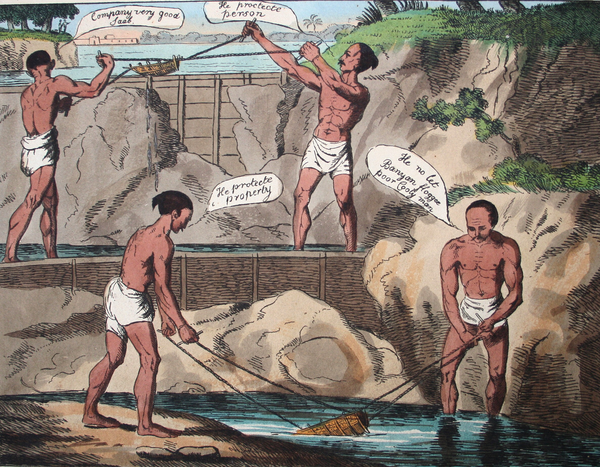
Colonial Attitudes to India: Coolies at work
Shared with the World by Dr Matt Phillpott
Image of 'coolies' at work for the East India Company. Drawn 1813. The original copy of this image can be found at the Roderic Bowen Library and Archives, University of Wales Lampeter.
Shared with the World by Dr Matt Phillpott
![[img]](http://www.humbox.ac.uk//733/1/ODS_00270-1.jpg)
 Preview |
![[img]](http://www.humbox.ac.uk//733/2/ODS_00270-2.jpg)
 Preview |
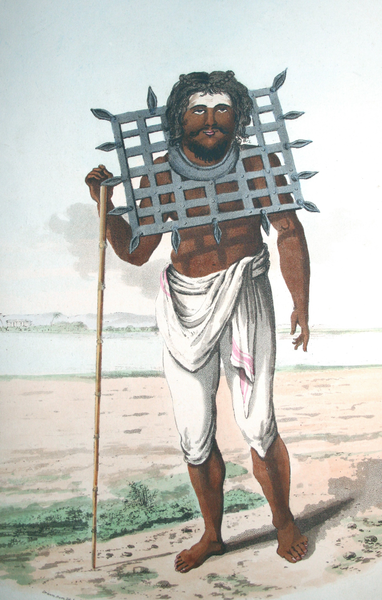
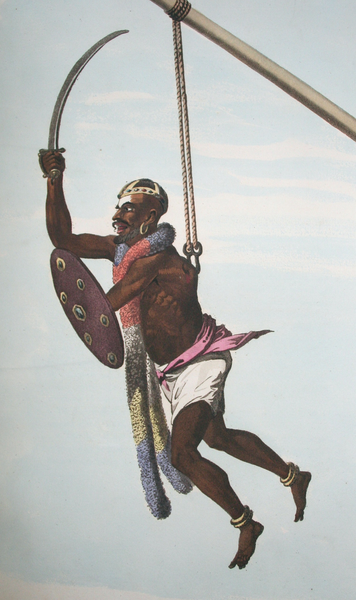
Colonial Attitudes to India: Holy men and mystics
Shared with the World by Dr Matt Phillpott
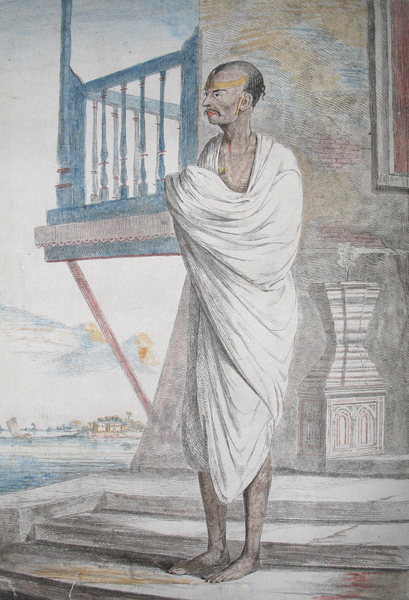
Images drawn in 1806 by the military artist Charles Gold of holy men and mystics. The original copy of these images can be found at the Roderic Bowen Library and Archives, University of Wales Lampeter.
Shared with the World by Dr Matt Phillpott
![[img]](http://www.humbox.ac.uk//734/1/PHI_02927_-1.jpg)
 Preview |
![[img]](http://www.humbox.ac.uk//734/2/PHI_02927_-2.jpg)
 Preview |
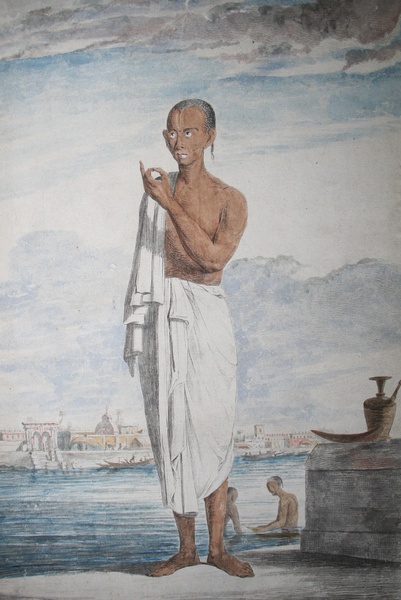
Colonial Attitudes to India: manners, customs and dress
Shared with the World by Dr Matt Phillpott
Flemish artist Balthazar Solvyns drawings from 1799 of natives of India - focusing on manners, customs and dress. The original copy of these images can be found at the Roderic Bowen Library and Archives, University of Wales Lampeter.
Shared with the World by Dr Matt Phillpott
![[img]](http://www.humbox.ac.uk//732/1/HPHI_011_-3.jpg)
 Preview |
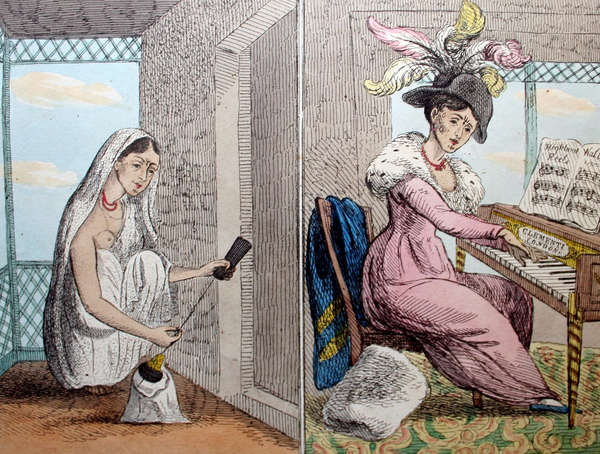
Colonial Attitudes to India: modernised Indian lady
Shared with the World by Dr Matt Phillpott
Drawing of an Indian lady connected to the East India Company, 1813. The original copy of this image can be found at the Roderic Bowen Library and Archives, University of Wales Lampeter.
Shared with the World by Dr Matt Phillpott
![[img]](http://www.humbox.ac.uk//731/1/HPHI_011_-2.jpg)
 Preview |
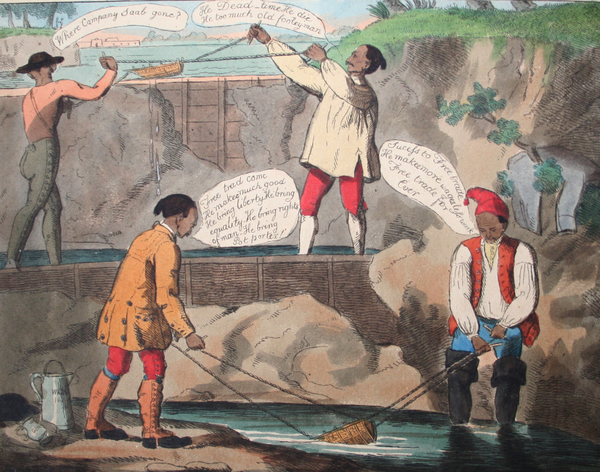
Colonial Attitudes to India: modernised coolies at work
Shared with the World by Dr Matt Phillpott
Drawing of modernised 'Coolies' at work for the East India Company, 1813. The original copy of this image can be found at the Roderic Bowen Library and Archives, University of Wales Lampeter.
Shared with the World by Dr Matt Phillpott
![[img]](http://www.humbox.ac.uk//860/2/Marianne_manifestation_26_janvier_2009_Paris.JPG)
 Preview |
![[img]](http://www.humbox.ac.uk//860/3/Marianne_Fete_de_l%27Humanite_Paris_sept_2009.jpg)
 Preview |
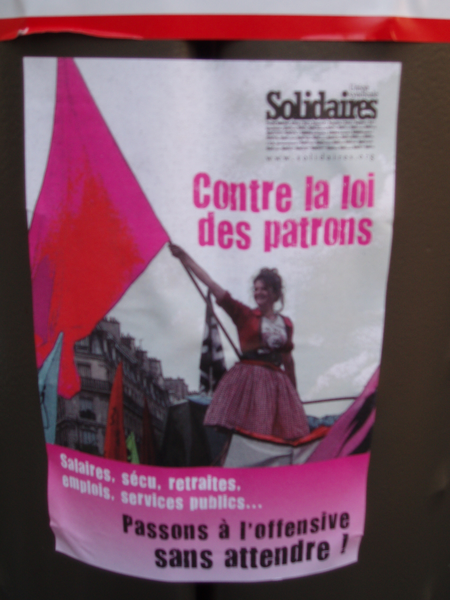
Conflicts in France: Marianne in XXI century France
Shared with the World by Mr Emmanuel Godin
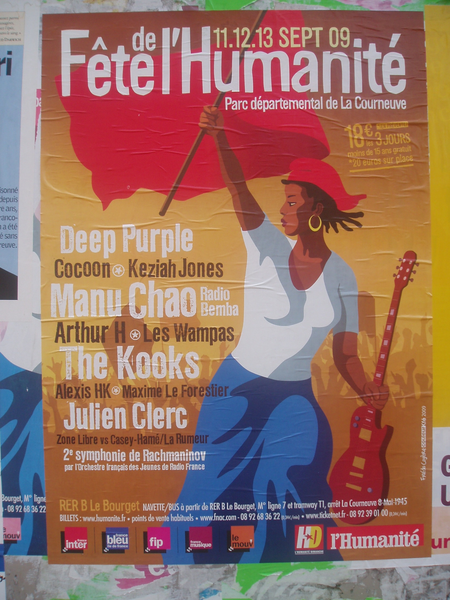
Eugène Delacroix’ painting ‘Le 28 juillet 1830: la liberté guidant le peuple’ (1831) was not welcomed by the critics in 1831, but has become since an icone of French republican identity. This resource provides links to two websites which contextualise and critically analyse the ambiguous and contested message of Delacroix’ s painting. Since then, the central character of the painting has been used, reused and transformed a countless number of time. At the start of the XXI century , its remains an ubiquitous icone, but its meaning may have changed.
Undergraduate students may want to compare Delacroix’ painting with the poster produced by the French Communist Party in September 2009 for its annual conference/ celebration (La Fête de l’Humanité). The comparison may also include the flyer produced by Solidaires (a cartel of unions on the left of the left) for the 26 January 2009 demonstration against the reforms initiated by President Sarkozy. Students may want to discuss whether and how different re-workings of ‘Marianne’ have altered its meaning. Earlier representations are also included. A short indicative bibliography is included, stressing the significance of Maurice Agulhon's work on the subject. In his early work, Agulhon shows that there are two female symbols: 'Marianne', the earthy, loose-haired, threatening radical, with her Phrygian hat, sculpted by Francois Rude (1784-1855)on the Arc de Triomphe and a more stately, serene Goddess of Liberty with her start-girt crown, representing the Republique conservatrice. Finally further historical contextualisation, archival resources and interviews with experts can be accessed through the website 'France 1815 to 2003'.
Shared with the World by Mr Emmanuel Godin
Preview |
Constructing Lithuania
Shared with the World by Ms Claire Monaghan
PDF - Ethnic maps depicting Lithuanian distribution in Russian Empire (mid 19th century – 1914). Conference presentations, PhD dissertation
Shared with the World by Ms Claire Monaghan
Preview |
Creating a nation: monuments and textual documents in Hungary: 1800-1900
Shared with the World by Ms Claire Monaghan
Powerpoint version of a lecture given at Peter Pazmany RC University, Budapest. Hungarian literature, literature and culture, creating national cultural institutions. Used as powerpoint aide to summer school lecture.
Shared with the World by Ms Claire Monaghan
Crisis of Empire, 1763-1776
Shared with the World by Mrs Lisa Lavender
An Early American Social history audio-lecture on the crisis of empire, 1763-1776
Shared with the World by Mrs Lisa Lavender
Daily Life in Early Modern Society: the European World 1500-1750
Shared with the World by Mrs Lisa Lavender
This pdf is derived from a seminar resource webpage from a core history undergraduate module looking at daily life in early modern society as part of the European World, 1500-1750. It includes hyperlinks to core resources, in the form of texts and images in a clear, reusable format.
Shared with the World by Mrs Lisa Lavender
Development of Chesapeake Society to 1660
Shared with the World by Mrs Lisa Lavender
An Early American Social History audio-lecture on the development of Chesapeake Society to 1660
Shared with the World by Mrs Lisa Lavender
Development of New England Society to 1660
Shared with the World by Mrs Lisa Lavender
An Early American Social History audio-lecture on the development of New England Society to 1660
Shared with the World by Mrs Lisa Lavender
Digital (and other) lessons from the Past
Shared with the World by Dr Matt Phillpott
A paper given by Professor Mark Greengrass at the 1641 Depositions Workshop in Dublin on 12 December 2008. The paper focuses on mass violence in the seventeenth-century.
Shared with the World by Dr Matt Phillpott
Preview |
Preview |
Discovering Spanish Voices Abroad in a Digital World (SPPO3640)
Shared with the World by Mr Antonio Martínez-Arboleda
This is the module outline of a new course that will be taught at the School of Modern Languages and Cultures of the University of Leeds from September 2012. This course is aimed at Final Year students of all our Spanish BA's. It has been designed as part of the University of Leeds' contribution to the JISC-funded OpenLIVES Project, in collaboration with the University of Southampton and the University of Portsmouth. You can also find a blog entry discussing the rationale for methodologies chosen. The module combines research-based learning and professional/life skills and allows students to be real producers of cultural critical knowledge.
Shared with the World by Mr Antonio Martínez-Arboleda
![[img]](http://www.humbox.ac.uk//707/1/PHI_00541.jpg)
 Preview |
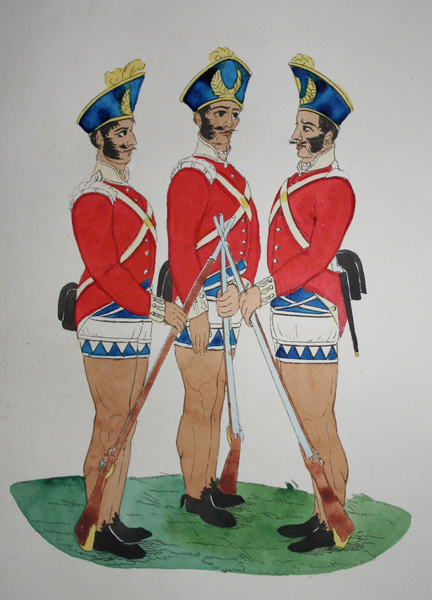
Drawing of Indian military uniform
Shared with the World by Dr Matt Phillpott
Image of Indian military uniform drawn in 1814 by Abraham James. The original copy of this image can be found at the Roderic Bowen Library and Archives, University of Wales Lampeter.
Shared with the World by Dr Matt Phillpott
![[img]](http://www.humbox.ac.uk//714/1/PHI_01998.jpg)
 Preview |
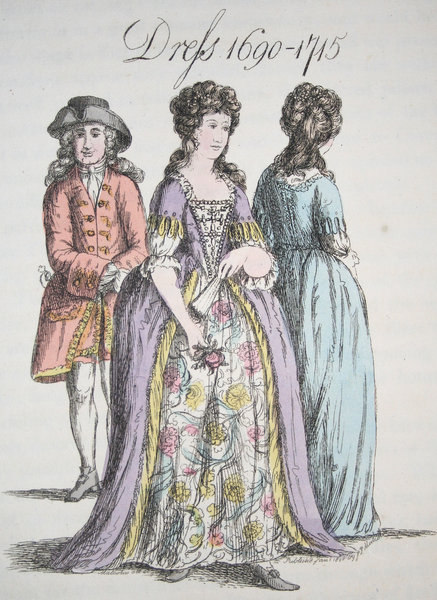
Drawing of London fashion (1808)
Shared with the World by Dr Matt Phillpott
Drawing of ladies and gentlemen from London by the artist James Peller Malcolm. Published in 1808. The original copy of this image can be found at the Roderic Bowen Library and Archives, University of Wales Lampeter.
Shared with the World by Dr Matt Phillpott
![[img]](http://www.humbox.ac.uk//702/1/PHI_00540.jpg)
 Preview |
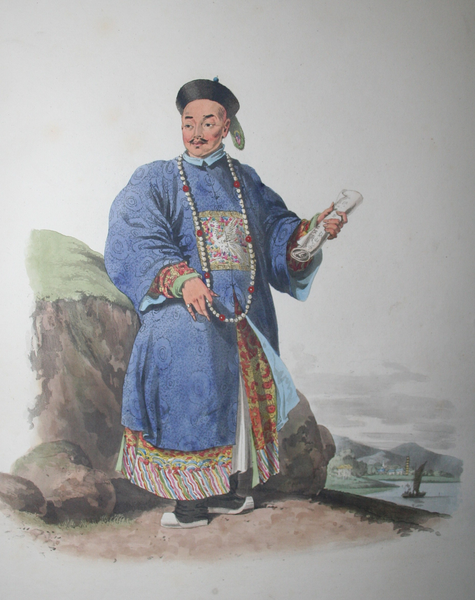
Drawing of a costume from China
Shared with the World by Dr Matt Phillpott
A drawing of a Chinese costume by the artist and museum curator William Alexander (1767-1816). Alexander painted this image in 1805. The original copy of this image can be found at the Roderic Bowen Library and Archives, University of Wales Lampeter.
Shared with the World by Dr Matt Phillpott
![[img]](http://www.humbox.ac.uk//715/1/PHI_04933.jpg)
 Preview |
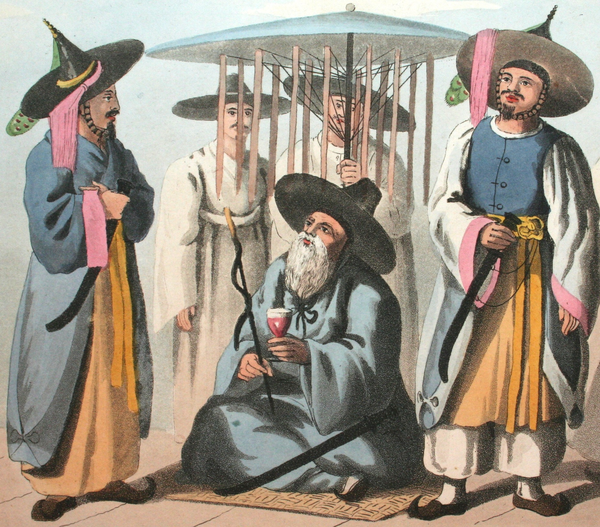
Drawing of a costume of Korea
Shared with the World by Dr Matt Phillpott
Drawing of the costume of Korea by John McLeod. Published in 1818 in his "Voyage of His Majesty's Ship Alceste, Along the coast of Corea, to the Island of Lewchew: with an account of her subsequent Shipwreck". The original copy of this image can be found at the Roderic Bowen Library and Archives, University of Wales Lampeter.
Shared with the World by Dr Matt Phillpott
![[img]](http://www.humbox.ac.uk//708/1/PHI_00254.jpg)
 Preview |
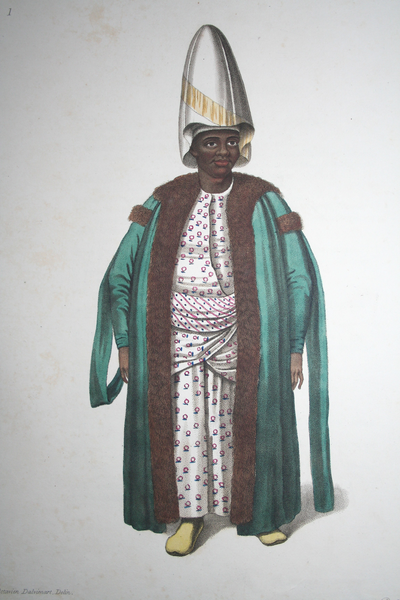
Drawing of a costume of Turkey
Shared with the World by Dr Matt Phillpott
Illustration of the costume of Turkey printed by William Millar in 1802. The original copy of this image can be found at the Roderic Bowen Library and Archives, University of Wales Lampeter.
Shared with the World by Dr Matt Phillpott
![[img]](http://www.humbox.ac.uk//713/1/PHI_00397-1.jpg)
 Preview |
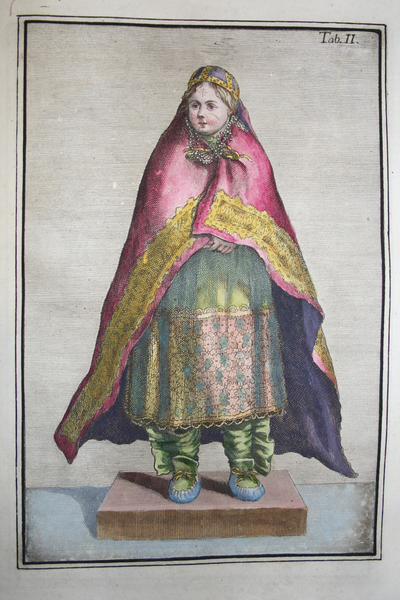
Drawing of a costume of natives of Canada
Shared with the World by Dr Matt Phillpott
Drawing of the costume of natives of Canada by the Italian Jesuit scholar Filippo Buonanni. Drawn in the early 18th century. The original copy of this image can be found at the Roderic Bowen Library and Archives, University of Wales Lampeter.
Shared with the World by Dr Matt Phillpott
![[img]](http://www.humbox.ac.uk//710/1/PHI_00942.jpg)
 Preview |
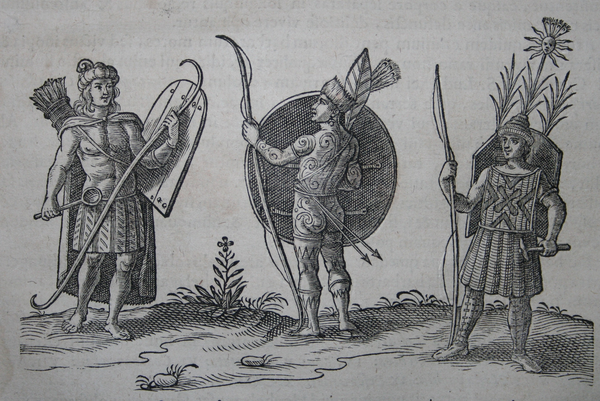
Drawing of a costume of natives of New France-Canada
Shared with the World by Dr Matt Phillpott
Costume of natives of New France-Canada by the Dutch geographer and director of the Dutch West India Company Joannes de Laet. This image was published in the Latin edition of his 'History of the New World' published in 1633. The original copy of this image can be found at the Roderic Bowen Library and Archives, University of Wales Lampeter.
Shared with the World by Dr Matt Phillpott
![[img]](http://www.humbox.ac.uk//703/1/ODS_00174.jpg)
 Preview |
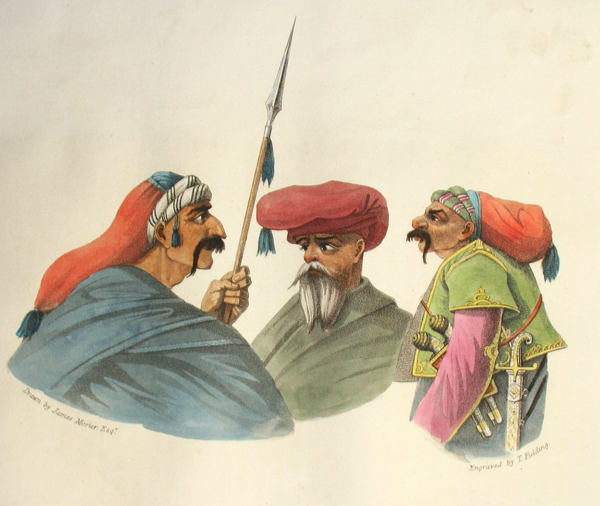
Drawing of a costume of the Kurds
Shared with the World by Dr Matt Phillpott
Drawing of costume worn by Kurds by diplomatist and novelist James Morier (1782-1849). Drawn in 1818. The original copy of this image can be found at the Roderic Bowen Library and Archives, University of Wales Lampeter.
Shared with the World by Dr Matt Phillpott
![[img]](http://www.humbox.ac.uk//709/1/PHI_00257.jpg)
 Preview |
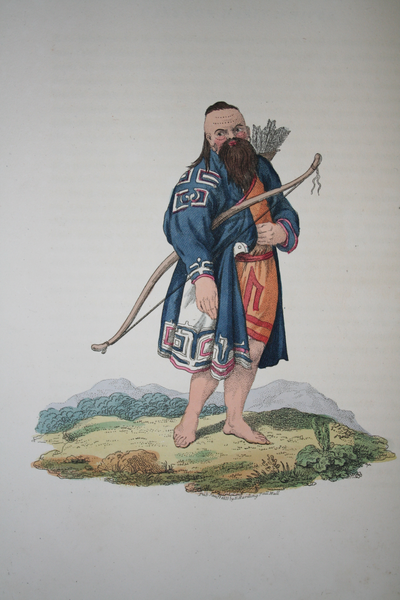
Drawing of a costume of the Russian Empire
Shared with the World by Dr Matt Phillpott
The Costume of the Russian Empire drawn by Wilkliam Alexander and one of 73 illustrations published by William Miller in 1803/4. This image derives from an 1811 edition. Accompanied by text in both English and French. The original copy of this image can be found at the Roderic Bowen Library and Archives, University of Wales Lampeter.
Shared with the World by Dr Matt Phillpott
![[img]](http://www.humbox.ac.uk//704/1/PHI_01228.jpg)
 Preview |
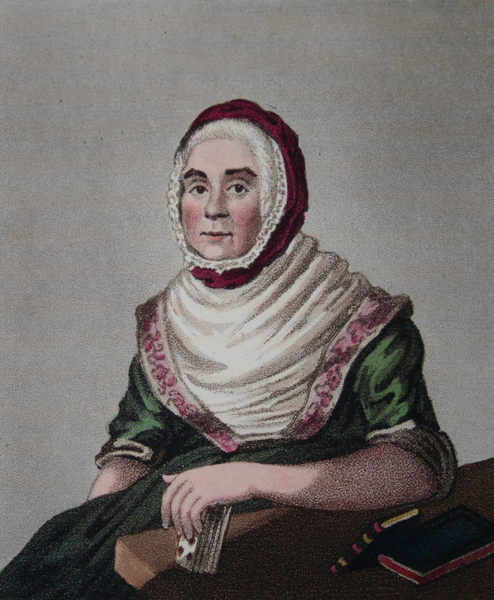
Drawing of a costume of the Welsh
Shared with the World by Dr Matt Phillpott
The costume of the Welsh drawn by the miniature painter and topographer Edward Pugh (bap. 1763, d. 1813). This image appeared in Pugh's Cambria depicta compiled over nine years from 1804. The Cumbria Depicta, along with this image was published posthumously by Evan Williams in 1816. The original copy of this image can be found at the Roderic Bowen Library and Archives, University of Wales Lampeter.
Shared with the World by Dr Matt Phillpott
Drawings of native costumes (17th - 18th century)
Shared with the World by Dr Matt Phillpott
This collection combines drawings of native dress from various artists in the 17th and 18th centuries. Provided by Peter Hopkins, Roderic Bowen Library and Archives, University of Wales Lampeter.
Shared with the World by Dr Matt Phillpott
Preview |
Dutch Revolt I: Act of Abjuration (Plakkaat van Verlatinge) I
Shared with the World by Ulrich Tiedau
This self-study pack is designed to help you understand the Dutch Revolt in the sixteenth century, using a key historical document from the period. It is aimed at learners with only a minimal knowledge of Dutch. You can check out an original edition of the document, read four fragments of it, get help with historical references and concepts, analyse certain themes, and explore related pictorial material.
Shared with the World by Ulrich Tiedau
Preview |
Dutch Revolt II: Act of Abjuration (Plakkaat van Verlatinghe) II
Shared with the World by Ulrich Tiedau
This self-study pack is designed to help you understand the Dutch Revolt in the sixteenth century, using a key historical document from the period. It is aimed at learners with an intermediate knowledge of Dutch. You can check out an original edition of the document, read some fragments of it, get help with historical references, analyse certain themes, and explore related pictorial material.
Shared with the World by Ulrich Tiedau
Early American Slave Societies
Shared with the World by Mrs Lisa Lavender
An Early American Social History audio-lecture on slave societies
Shared with the World by Mrs Lisa Lavender
![[img]](http://www.humbox.ac.uk//699/1/PHI_00231-Prester_John.jpg)
 Preview |
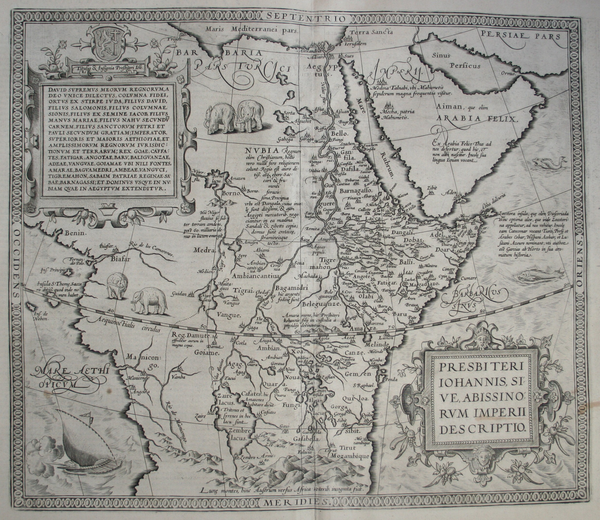
Early Maps: Abyssinia by Abraham Ortelius (1606)
Shared with the World by Dr Matt Phillpott
A map of the kingdom of Abyssinia belonging to the mythical Christian king, Prester John. Drawn by Abraham Ortelius and published in 1606. The original copy of this image can be found at the Roderic Bowen Library and Archives, University of Wales Lampeter.
Shared with the World by Dr Matt Phillpott
![[img]](http://www.humbox.ac.uk//664/1/PHI_00898_America.jpg)
 Preview |
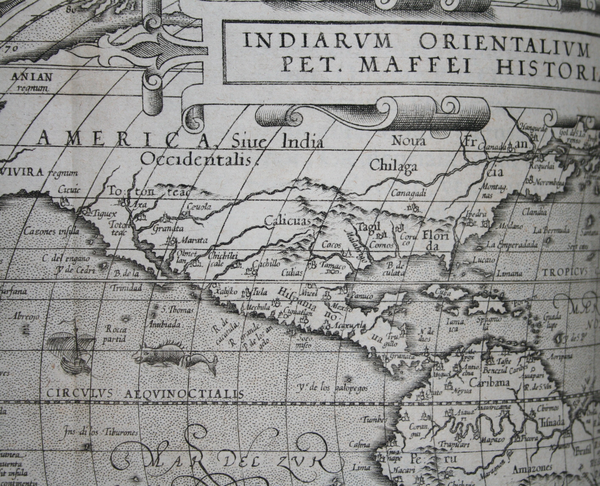
Early Maps: America by Givanni Maffei (1589)
Shared with the World by Dr Matt Phillpott
Map of America, part of a drawing of the world by the Italian Givanni Maffei. Published in 1589. Used for exploration and discovery. The original copy of this image can be found at the Roderic Bowen Library and Archives, University of Wales Lampeter.
Shared with the World by Dr Matt Phillpott
![[img]](http://www.humbox.ac.uk//663/1/PHI_04872-Amstelodamum_Emporium.jpg)
 Preview |
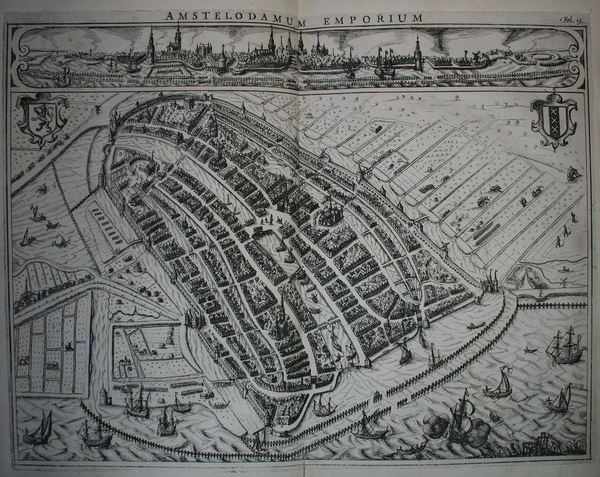
Early Maps: Amsterdam by Johannes Isacius Pontanus (1611)
Shared with the World by Dr Matt Phillpott
Map of Amsterdam drawn by Johannes Isacius Pontanus in 1611. Used for exploration and discovery. The original copy of this image can be found at the Roderic Bowen Library and Archives, University of Wales Lampeter.
Shared with the World by Dr Matt Phillpott
![[img]](http://www.humbox.ac.uk//698/1/ODS_01455-California.jpg)
 Preview |
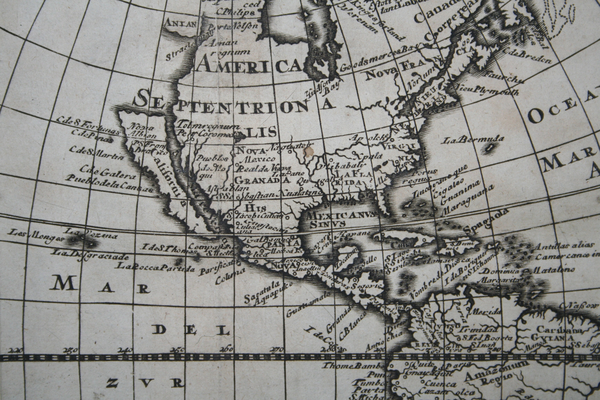
Early Maps: California, America (1676)
Shared with the World by Dr Matt Phillpott
Map of California (America) drawn in 1676. Used for description and travel. The original copy of this image can be found at the Roderic Bowen Library and Archives, University of Wales Lampeter.
Shared with the World by Dr Matt Phillpott
![[img]](http://www.humbox.ac.uk//696/1/PHI_04444-ParisPerpignan.jpg)
 Preview |
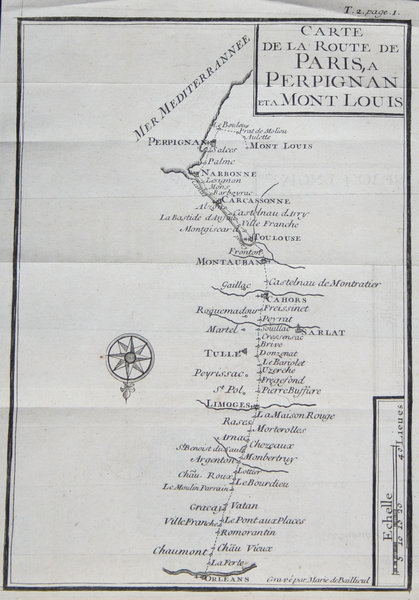
Early Maps: France by Jean-Aimar Piganiol de la force
Shared with the World by Dr Matt Phillpott
An eighteenth-century map of France by Jean-Aimar Piganiol de la force. Used for description and travel. The original copy of this image can be found at the Roderic Bowen Library and Archives, University of Wales Lampeter.
Shared with the World by Dr Matt Phillpott
![[img]](http://www.humbox.ac.uk//656/1/PHI_00234-Kingdome_of_Ireland.jpg)
 Preview |
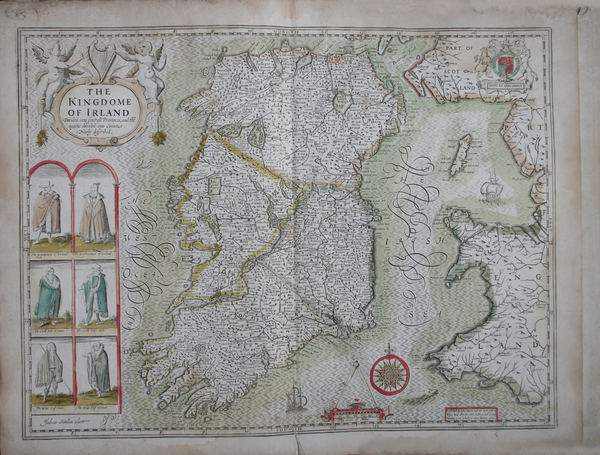
Early Maps: Kingdom of Ireland (1610)
Shared with the World by Dr Matt Phillpott
Map of the Kingdom of Ireland drawn by the English historian and cartographer John Speed in 1610. The map was used for description and travel. The original copy of this image can be found at the Roderic Bowen Library and Archives, University of Wales Lampeter.
Shared with the World by Dr Matt Phillpott
![[img]](http://www.humbox.ac.uk//658/1/PHI_04857-Mozambique.jpg)
 Preview |
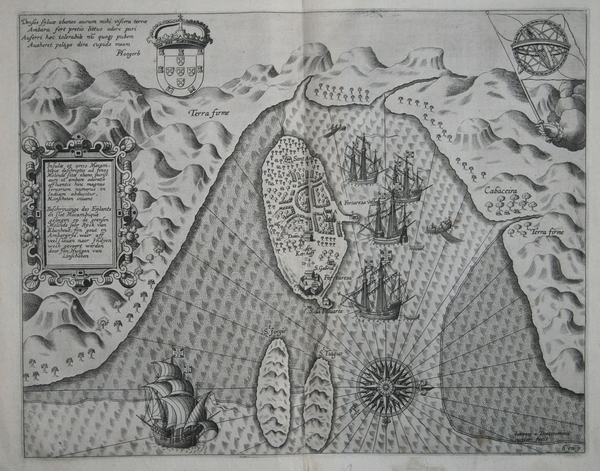
Early Maps: Mozambique by Jan Hugen van Linschoten (1599)
Shared with the World by Dr Matt Phillpott
Map of Mozambique drawn by the Dutch Protestant merchant, traveller and historian Jan Hugen van Linschoten in 1599. Used for exploration and discovery. The original copy of this image can be found at the Roderic Bowen Library and Archives, University of Wales Lampeter.
Shared with the World by Dr Matt Phillpott
![[img]](http://www.humbox.ac.uk//700/1/PHI_00495-Europe.jpg)
 Preview |
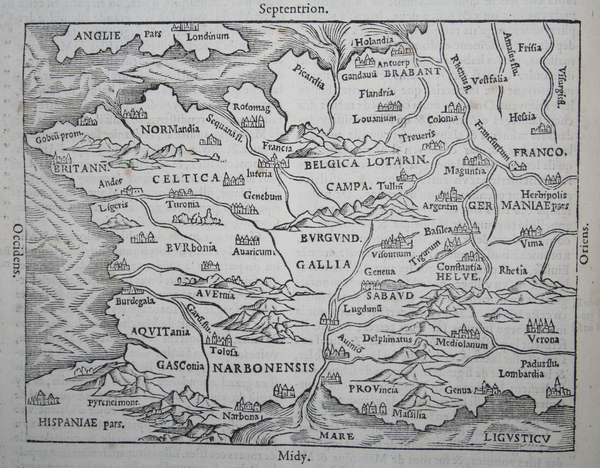
Early Maps: Munster, Europe (1575)
Shared with the World by Dr Matt Phillpott
A map of Munster drawn in 1575. Used for description and travel. The original copy of this image can be found at the Roderic Bowen Library and Archives, University of Wales Lampeter.
Shared with the World by Dr Matt Phillpott
![[img]](http://www.humbox.ac.uk//697/1/PHI_01018-sweden.jpg)
 Preview |
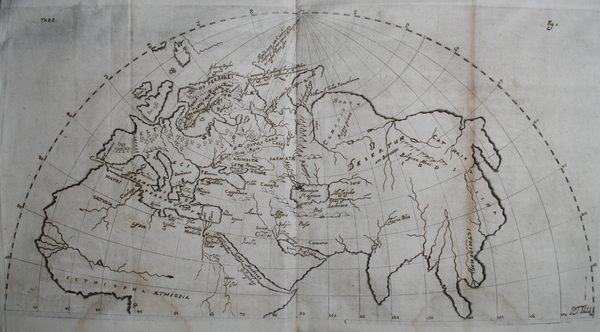
Early Maps: Sweden by Olaf Rudbeck (1679)
Shared with the World by Dr Matt Phillpott
Map of Sweden drawn by the Swedish scientist and writer Olaf Rudbeck in 1679. The map claims Sweden as Atlantis. Map used for description and travel. The original copy of this image can be found at the Roderic Bowen Library and Archives, University of Wales Lampeter.
Shared with the World by Dr Matt Phillpott
![[img]](http://www.humbox.ac.uk//659/1/PHI_03081-Tierra_Nueva.jpg)
 Preview |
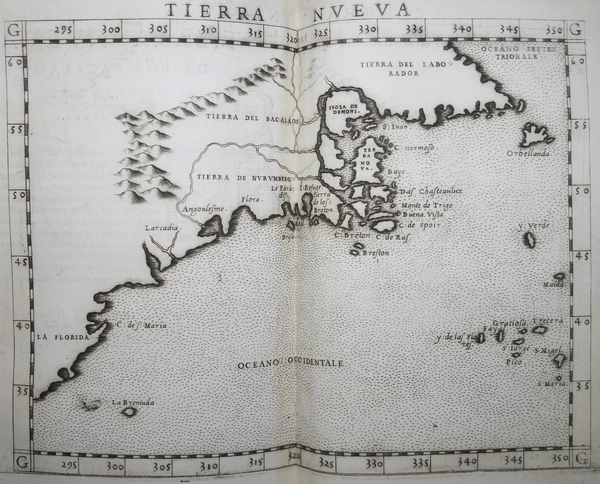
Early Maps: Tierra Nueva by Girolamo Ruscelli (1561)
Shared with the World by Dr Matt Phillpott
Map of Tierra Nueva (New England/The East coast of North America) drawn by the Italian Alchemist, physician and cartographer Girolamo Ruscelli in 1561. Based upon a 1548 map published in Giacomo Gastaldi's La Geografia. The original copy of this image can be found at the Roderic Bowen Library and Archives, University of Wales Lampeter.
Shared with the World by Dr Matt Phillpott
Elite and Popular Cultures in the European World: 1500-1750
Shared with the World by Mrs Lisa Lavender
This pdf is derived from a seminar resource webpage from a core history undergraduate module looking at the European World, 1500-1750. It includes hyperlinks to core resources, in the form of texts, audio and images in a clear, reusable format.
Shared with the World by Mrs Lisa Lavender
Preview |
Emil Hakl
Shared with the World by Ms Claire Monaghan
Word document - Information on the life and work of Emil Hakl (real name Jan Beneš). Used as reference material in teaching
Shared with the World by Ms Claire Monaghan
Preview |
Preview |
Essay Workshop (for first year undergraduates)
Shared with the World by Dr Matt Phillpott
A crib sheet and handout for tutors to help first year undergraduates understand what is required of them for essays. This resource will need to be adapted for individual institutions with different criteria for layout of references etc.
Shared with the World by Dr Matt Phillpott
Preview |
Estonia in the Middle Ages
Shared with the World by Ms Claire Monaghan
Word document - Estonia in the Middle Ages and the The ancient Estonian religion. Handouts for the lectures on Estonian History, Society and Culture
Shared with the World by Ms Claire Monaghan
Estonian History
Shared with the World by Ms Claire Monaghan
Estonian history from the beginning to the Livonian War. Handouts for the lectures on Estonian History, Society and Culture
Shared with the World by Ms Claire Monaghan
Preview |
Estonians in the 14th to 16th centuries
Shared with the World by Ms Claire Monaghan
Word document - Estonians in the 14th to 16th centuries. Handouts for the lectures of Estonian History, Society and Culture
Shared with the World by Ms Claire Monaghan
Ethnic distribution in the North Western part of the Russian Empire
Shared with the World by Ms Claire Monaghan
Ethnic maps depicting Lithuanian distribution in Russian Empire (mid 19th century – 1914. Conference presentations, PhD dissertation
Shared with the World by Ms Claire Monaghan
Preview |
Excel spreadsheet to help with statistics involving pre-decimal UK currency.
Shared with the World by Dr John Canning
Until 1971 the UK used pounds (£), shillings (s) and pence (d).
There were 12 pence in shilling.
20 shillings in a pound
240 pence in a pound.
More about decimalisation can be found here http://en.wikipedia.org/wiki/Decimal_Day
If basic arithmetic wasn’t enough of a problem, statistics must have been a nightmare. This excel spreadsheet enables the input of up to 300 prices in pounds, shillings and pence and calculates:
The Total sum
Mean average
Standard Deviation
Maximum
Minimum
Upper quartile
Lower Quartile
Median
It also converts all the pounds, shillings and pence data into (today’s) decimal currency. This makes pre-1971 and post-1971 comparisons possible. (Full details of the mathematics behind this are in the Wikipedia article cited above).
The excel side of things is a complicated and probably far more complex than it needs to be. Any improvements welcome.
Shared with the World by Dr John Canning
Preview |
Preview |
Exú - Orixá do Candomblé
Shared with the World by Mr Emmanuel Godin
This podcast in Portuguese was created by Emilia Kropowska, a student of Spanish and Latin American Studies at the School of Languages and Area Studies, University of Portsmouth, as a part of a research project entitled 'The Role of Student Audio Casting and Production in the Language Learning Curriculum'. The podcast was created using Audacity recording software and enhanced with free images using Windows Movie Maker. The recording is based on the student's own original research carried out in the year 2007-2008. This podcast explains the role of orixás in the Afro-Brazilian religion of Candomblé, which was brought to Brazil during the era of slavery, and which has since become one of Brazil's major religions. Orixás play a pivotal role in Candomblé ritual and belief; they are intermediaries between human beings, nature and the divine. The podcast focuses particularly on the role of the orixá Exu, and what he represents within the belief system of Candomblé. The podcast can be used as a learning resource in several different ways: as a focus for discussion, aural comprehension or as a base for further research by students in the field of Lusophone, Brazilian and Latin American studies. A transcription of the podcast is provided.
Shared with the World by Mr Emmanuel Godin
![[img]](http://www.humbox.ac.uk//355/1/00040390.jpg)
 Preview |
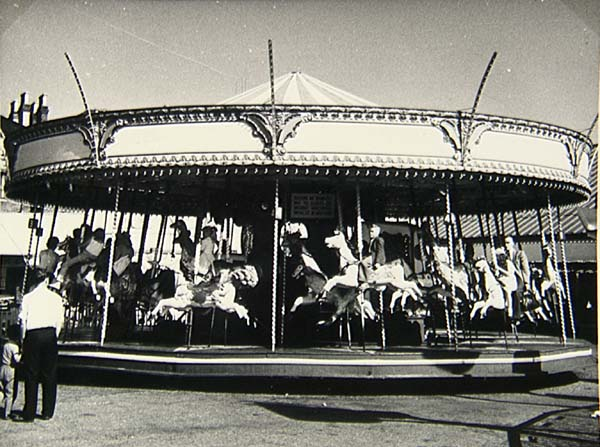
Fairground Images: 3 Abreast Gallopers with organ playing.
Shared with the World by Dr Matt Phillpott
Whole view of 3 Abreast Gallopers taken 12 August 1961; with organ playing. Taken at Dreamland Amusement Park, Margate.
This resource is the copyright of the National Fairground Archive, University of Sheffield (http://www.nfa.dept.shef.ac.uk/) and has been made available with their permission. Some rights reserved (see terms of licence by clicking on the CC licence logo below).
Shared with the World by Dr Matt Phillpott
![[img]](http://www.humbox.ac.uk//429/1/00050213.jpg)
 Preview |
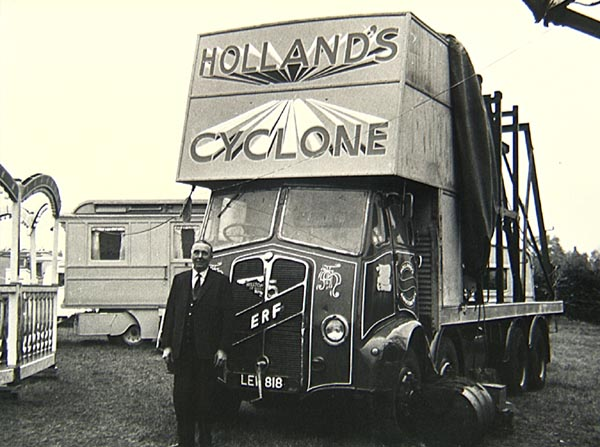
Fairground Images: Albert Holland's 8 wheel ERF Framed lorry with Edwin Hall Cyclone (twist)
Shared with the World by Dr Matt Phillpott
Photograph of Albert Holland's 8 wheel ERF Framed lorry - registration LEW818 - with Edwin Hall Cyclone (twist) taken 26 May 1962.
This resource is the copyright of the National Fairground Archive, University of Sheffield (http://www.nfa.dept.shef.ac.uk/) and has been made available with their permission. Some rights reserved (see terms of licence by clicking on the CC licence logo below).
Shared with the World by Dr Matt Phillpott
![[img]](http://www.humbox.ac.uk//387/1/00050223.jpg)
 Preview |
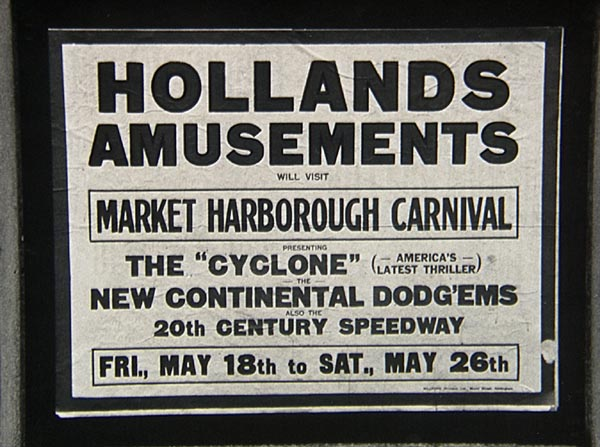
Fairground Images: Albert Holland's poster
Shared with the World by Dr Matt Phillpott
Whole view of Albert Holland's poster, taken in the town, Market Harborough Carnival Fair, 26 May 1962.
This resource is the copyright of the National Fairground Archive, University of Sheffield (http://www.nfa.dept.shef.ac.uk/) and has been made available with their permission. Some rights reserved (see terms of licence by clicking on the CC licence logo below).
Shared with the World by Dr Matt Phillpott
![[img]](http://www.humbox.ac.uk//408/1/00520208.jpg)
 Preview |
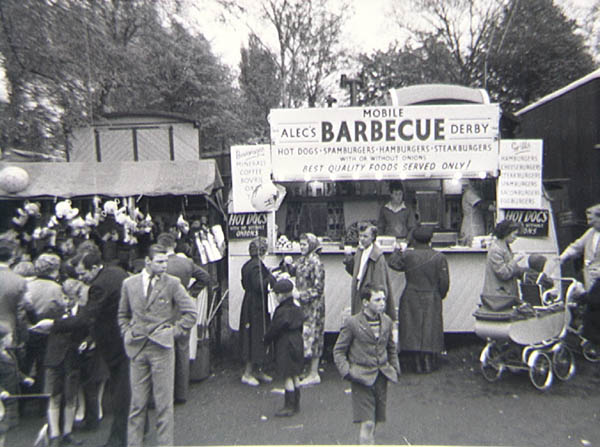
Fairground Images: Alec Cottam's hot dog van
Shared with the World by Dr Matt Phillpott
Alec Cottam's hot dog van, photographed 29 April 1961.
This resource is the copyright of the National Fairground Archive, University of Sheffield (http://www.nfa.dept.shef.ac.uk/) and has been made available with their permission. Some rights reserved (see terms of licence by clicking on the CC licence logo below).
Shared with the World by Dr Matt Phillpott
![[img]](http://www.humbox.ac.uk//340/1/00020149.jpg)
 Preview |
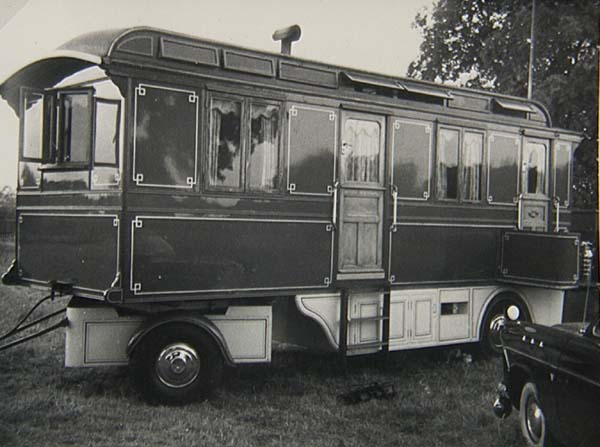
Fairground Images: Arthur Armstrong's Living Wagon
Shared with the World by Dr Matt Phillpott
Whole side view of Arthur Armstrong's Living Wagon, taken Watt's Lane site, Rugby, 26 June 1959.
This resource is the copyright of the National Fairground Archive, University of Sheffield (http://www.nfa.dept.shef.ac.uk/) and has been made available with their permission. Some rights reserved (see terms of licence by clicking on the CC licence logo below).
Shared with the World by Dr Matt Phillpott
![[img]](http://www.humbox.ac.uk//358/1/00270528.jpg)
 Preview |
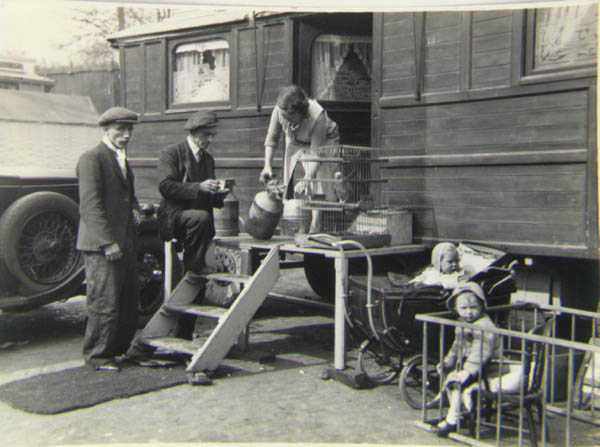
Fairground Images: Arthur Bird and Margaret Bird with their daughters
Shared with the World by Dr Matt Phillpott
Photograph of Arthur Bird and Margaret Bird nee Waddington nee Shufflebottom with their daughters Margaret and Marion taken Norwich Easter Fair, 1939. The photograph was featured on the front page of the Daily Press on holiday Monday.
This resource is the copyright of the National Fairground Archive, University of Sheffield (http://www.nfa.dept.shef.ac.uk/) and has been made available with their permission. Some rights reserved (see terms of licence by clicking on the CC licence logo below).
Shared with the World by Dr Matt Phillpott
![[img]](http://www.humbox.ac.uk//397/1/00490142.jpg)
 Preview |
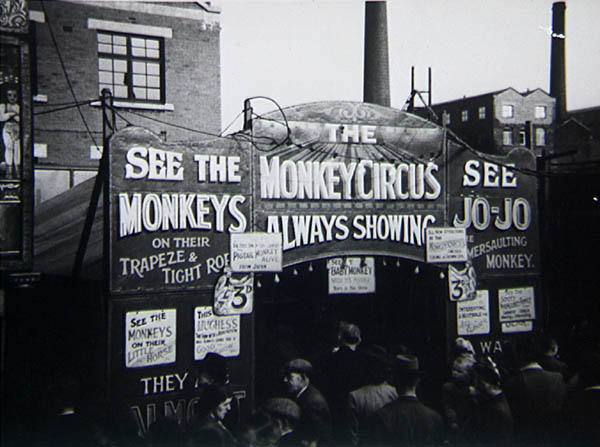
Fairground Images: B. Hughes' Monkey Show
Shared with the World by Dr Matt Phillpott
B. Hughes' Monkey Show, photographed 10 July 1948.
This resource is the copyright of the National Fairground Archive, University of Sheffield (http://www.nfa.dept.shef.ac.uk/) and has been made available with their permission. Some rights reserved (see terms of licence by clicking on the CC licence logo below).
Shared with the World by Dr Matt Phillpott
![[img]](http://www.humbox.ac.uk//321/1/00510082.jpg)
 Preview |
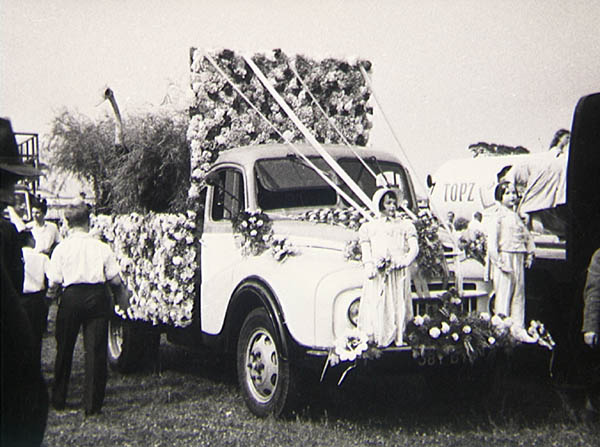
Fairground Images: Belle Vue Carnival
Shared with the World by Dr Matt Phillpott
Belle Vue Carnival photographed 25 July 1959. This resource is the copyright of the National Fairground Archive, University of Sheffield (http://www.nfa.dept.shef.ac.uk/) and has been made available with their permission. Some rights reserved (see terms of licence by clicking on the CC licence logo below).
Shared with the World by Dr Matt Phillpott
![[img]](http://www.humbox.ac.uk//314/1/00490439.jpg)
 Preview |
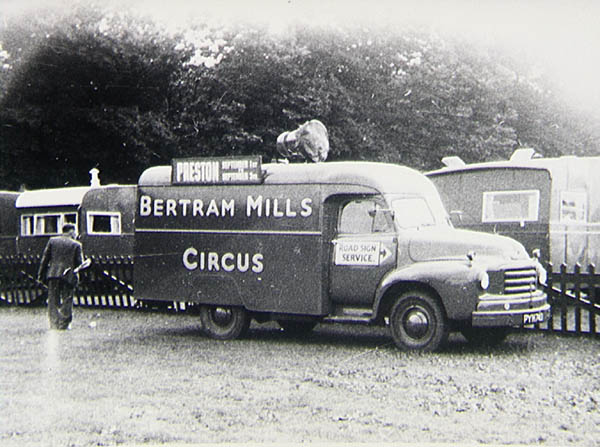
Fairground Images: Bertram Mill's publicity van
Shared with the World by Dr Matt Phillpott
Bertram Mill's publicity van, photographed 30 August 1958. This resource is the copyright of the National Fairground Archive, University of Sheffield (http://www.nfa.dept.shef.ac.uk/) and has been made available with their permission. Some rights reserved (see terms of licence by clicking on the CC licence logo below).
Shared with the World by Dr Matt Phillpott
![[img]](http://www.humbox.ac.uk//347/1/00480339.jpg)
 Preview |
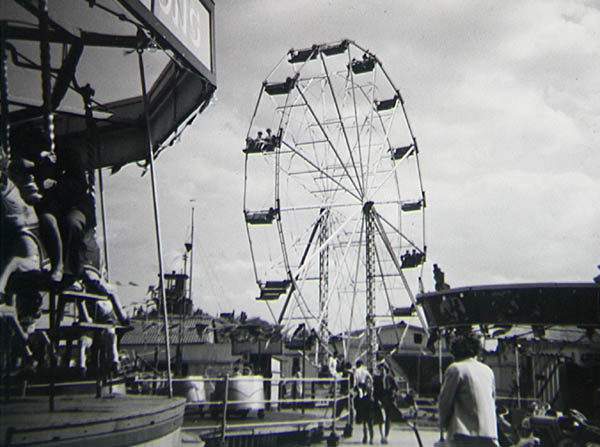
Fairground Images: Billy Butlin's Big Wheel
Shared with the World by Dr Matt Phillpott
Billy Butlin's Big Wheel, photographed 6 August 1949. This resource is the copyright of the National Fairground Archive, University of Sheffield (http://www.nfa.dept.shef.ac.uk/) and has been made available with their permission. Some rights reserved (see terms of licence by clicking on the CC licence logo below).
Shared with the World by Dr Matt Phillpott
![[img]](http://www.humbox.ac.uk//400/1/00020117.jpg)
 Preview |
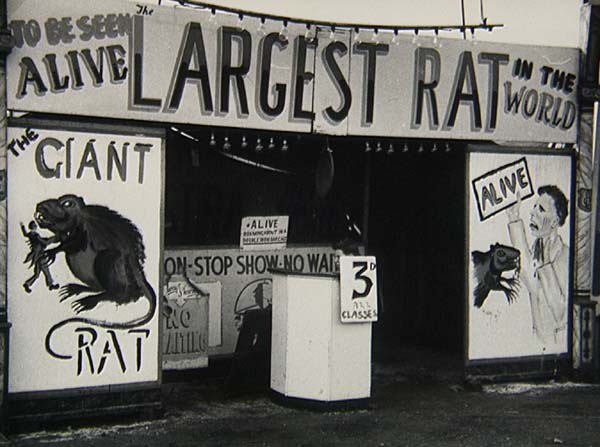
Fairground Images: Billy Kayes' Largest Rat in the World show
Shared with the World by Dr Matt Phillpott
Whole front view of Billy Kayes' Largest Rat in the World show, taken Aston Serpentine site, Birmingham Whit Fair, 23 May 1959.
This resource is the copyright of the National Fairground Archive, University of Sheffield (http://www.nfa.dept.shef.ac.uk/) and has been made available with their permission. Some rights reserved (see terms of licence by clicking on the CC licence logo below).
Shared with the World by Dr Matt Phillpott
![[img]](http://www.humbox.ac.uk//315/1/00500049.jpg)
 Preview |
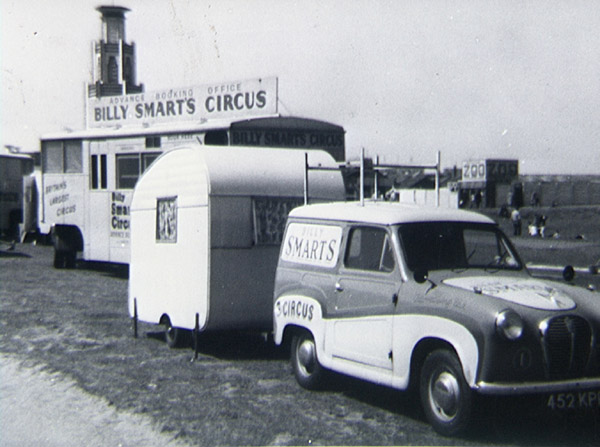
Fairground Images: Billy Smart's Austin Advance van
Shared with the World by Dr Matt Phillpott
Billy Smart's Austin advance van - registration 452KPP - photographed 23 July 1962.
This resource is the copyright of the National Fairground Archive, University of Sheffield (http://www.nfa.dept.shef.ac.uk/) and has been made available with their permission. Some rights reserved (see terms of licence by clicking on the CC licence logo below).
Shared with the World by Dr Matt Phillpott
![[img]](http://www.humbox.ac.uk//348/1/00120860.jpg)
 Preview |
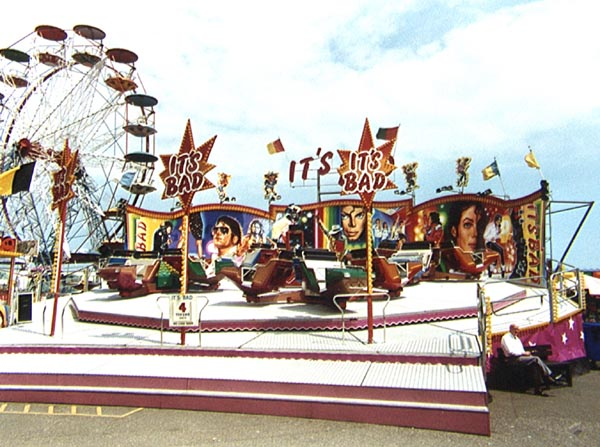
Fairground Images: Botton Brothers' Breakdance
Shared with the World by Dr Matt Phillpott
Botton Brothers' Breakdance, Botton's Pleasure Beach, photographed 5 June 1990. This resource is the copyright of the National Fairground Archive, University of Sheffield (http://www.nfa.dept.shef.ac.uk/) and has been made available with their permission. Some rights reserved (see terms of licence by clicking on the CC licence logo below).
Shared with the World by Dr Matt Phillpott
![[img]](http://www.humbox.ac.uk//318/1/00380035.jpg)
 Preview |
![[img]](http://www.humbox.ac.uk//318/2/00380049.jpg)
 Preview |
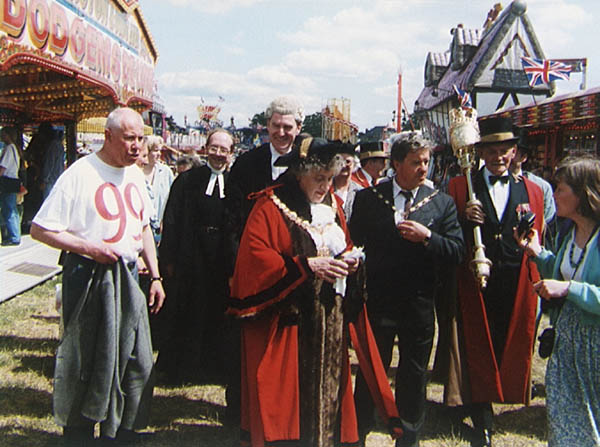
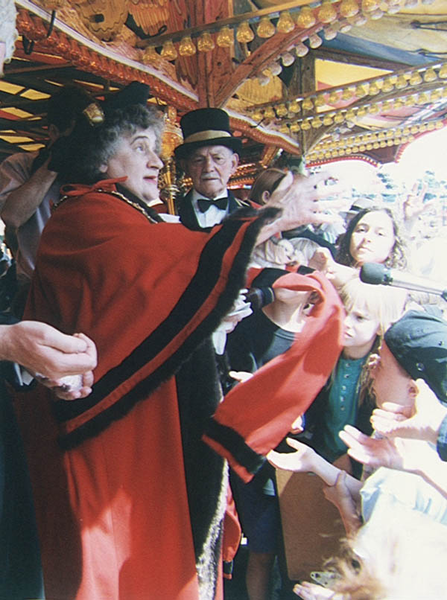
Fairground Images: Cambridge Fair opening ceremony 1999
Shared with the World by Dr Matt Phillpott
Cambridge Midsummer Fair opening ceremony 1999. This resource is the copyright of the National Fairground Archive, University of Sheffield (http://www.nfa.dept.shef.ac.uk/) and has been made available with their permission. Some rights reserved (see terms of licence by clicking on the CC licence logo below).
Shared with the World by Dr Matt Phillpott
![[img]](http://www.humbox.ac.uk//410/1/00230317.jpg)
 Preview |
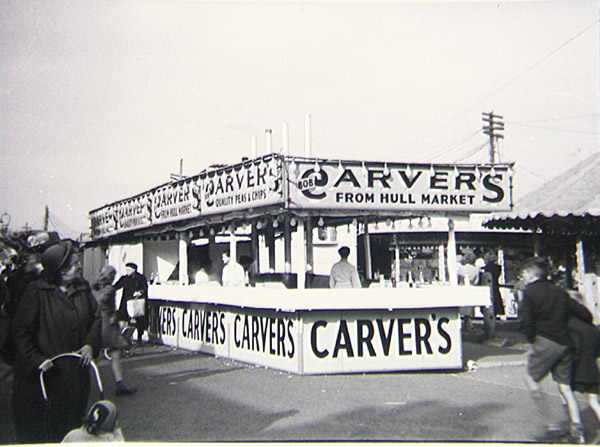
Fairground Images: Carver's chip stall
Shared with the World by Dr Matt Phillpott
Carver's chip stall, photographed 10 October 1953. This resource is the copyright of the National Fairground Archive, University of Sheffield (http://www.nfa.dept.shef.ac.uk/) and has been made available with their permission. Some rights reserved (see terms of licence by clicking on the CC licence logo below).
Shared with the World by Dr Matt Phillpott
![[img]](http://www.humbox.ac.uk//351/1/00010101.jpg)
 Preview |
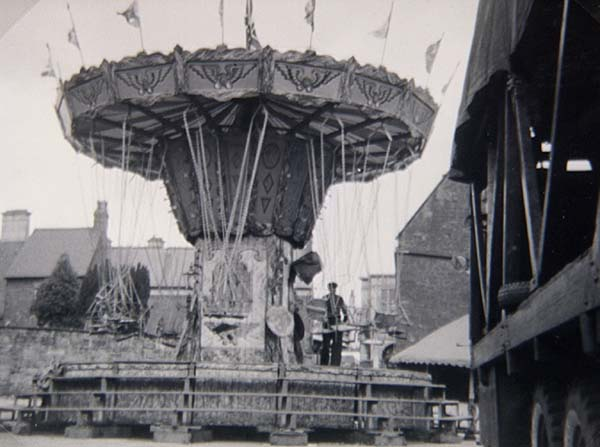
Fairground Images: Chairoplanes
Shared with the World by Dr Matt Phillpott
Whole view of Chairoplanes, photograph taken 7 June 1952.
This resource is the copyright of the National Fairground Archive, University of Sheffield (http://www.nfa.dept.shef.ac.uk/) and has been made available with their permission. Some rights reserved (see terms of licence by clicking on the CC licence logo below).
Shared with the World by Dr Matt Phillpott
![[img]](http://www.humbox.ac.uk//426/1/00160420.jpg)
 Preview |
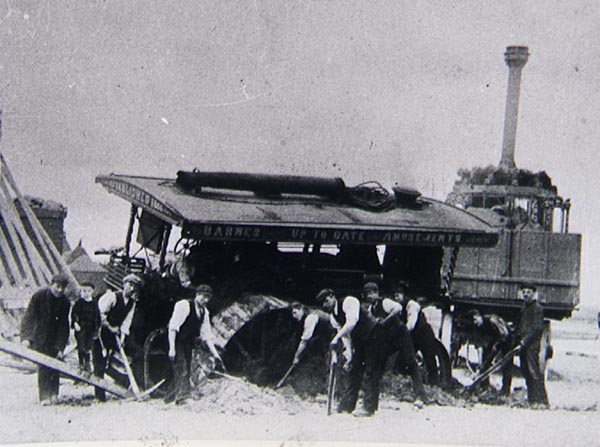
Fairground Images: Charles Barnes' Burrell SCC engine bogged down in sand at Burnham Overy
Shared with the World by Dr Matt Phillpott
Photograph of Charles Barnes' Burrell SCC engine bogged down in sand at Burnham Overy (ground close to sea).
This resource is the copyright of the National Fairground Archive, University of Sheffield (http://www.nfa.dept.shef.ac.uk/) and has been made available with their permission. Some rights reserved (see terms of licence by clicking on the CC licence logo below).
Shared with the World by Dr Matt Phillpott
![[img]](http://www.humbox.ac.uk//357/1/00060137.jpg)
 Preview |
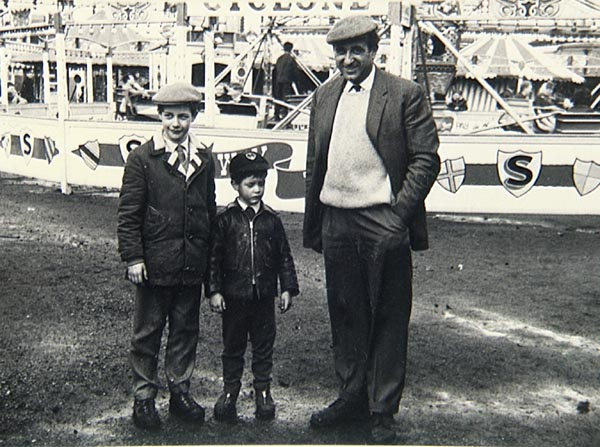
Fairground Images: Charles Thurston and sons
Shared with the World by Dr Matt Phillpott
Photograph of Charles Thurston and sons (Charles Thurston Junior and John Thurston Junior), Peterborough Mart Fair, taken 16 March 1963.
This resource is the copyright of the National Fairground Archive, University of Sheffield (http://www.nfa.dept.shef.ac.uk/) and has been made available with their permission. Some rights reserved (see terms of licence by clicking on the CC licence logo below).
Shared with the World by Dr Matt Phillpott
![[img]](http://www.humbox.ac.uk//393/1/00580316.jpg)
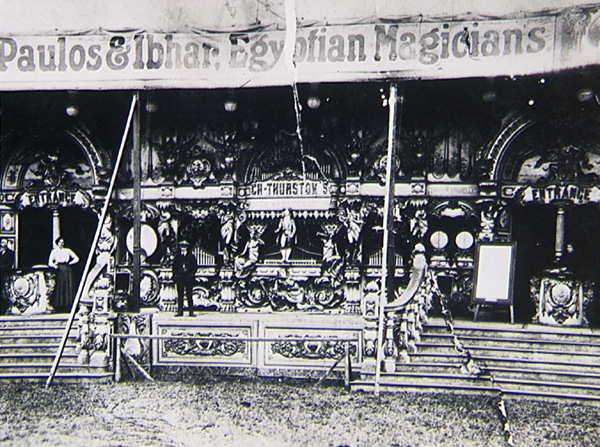 Preview |
Fairground Images: Charles Thurston's Great Show, showing Paulos and Ibhar, Egyptian Magicians
Shared with the World by Dr Matt Phillpott
Charles Thurston's Great Show (bioscope), photographed 1912. Showing Paulos and Ibhar, Egyptian Magicians.
This resource is the copyright of the National Fairground Archive, University of Sheffield (http://www.nfa.dept.shef.ac.uk/) and has been made available with their permission. Some rights reserved (see terms of licence by clicking on the CC licence logo below).
Shared with the World by Dr Matt Phillpott
![[img]](http://www.humbox.ac.uk//325/1/00020360.jpg)
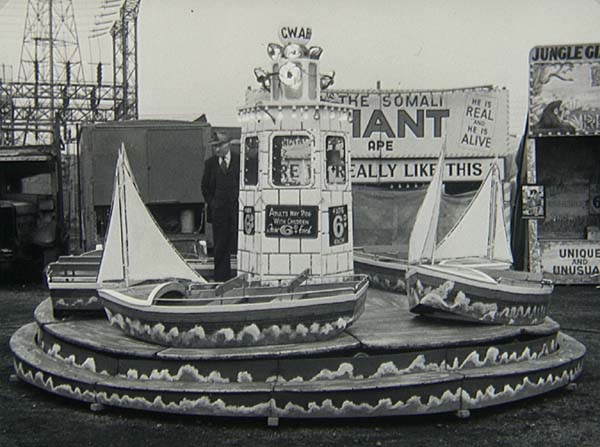 Preview |
Fairground Images: Charles W. Abbott's Juvenile Sea on Land
Shared with the World by Dr Matt Phillpott
Whole view of Charles W. Abbott's Juvenile Sea on Land, Cambridge Mart Fair, taken 19 March 1960.
This resource is the copyright of the National Fairground Archive, University of Sheffield (http://www.nfa.dept.shef.ac.uk/) and has been made available with their permission. Some rights reserved (see terms of licence by clicking on the CC licence logo below).
Shared with the World by Dr Matt Phillpott
![[img]](http://www.humbox.ac.uk//360/1/00380084.jpg)
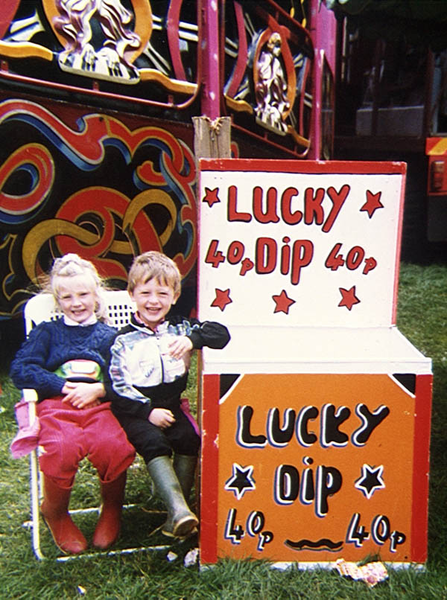 Preview |
Fairground Images: Charlotte and Luke Francis
Shared with the World by Dr Matt Phillpott
Charlotte and Luke Francis, photographed August 1993. This resource is the copyright of the National Fairground Archive, University of Sheffield (http://www.nfa.dept.shef.ac.uk/) and has been made available with their permission. Some rights reserved (see terms of licence by clicking on the CC licence logo below).
Shared with the World by Dr Matt Phillpott
![[img]](http://www.humbox.ac.uk//399/1/00361028.jpg)
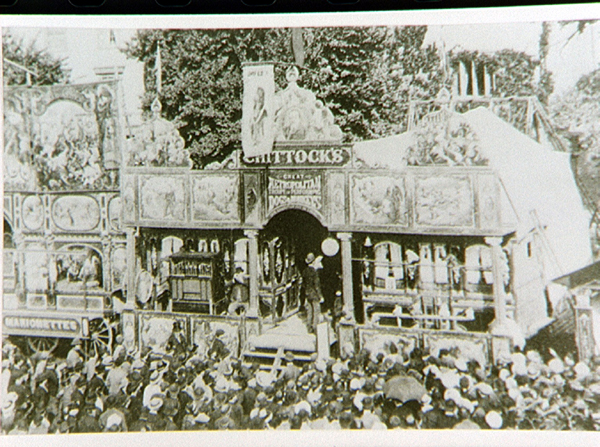 Preview |
Fairground Images: Chittock's Troupe of performing Dogs and Monkeys
Shared with the World by Dr Matt Phillpott
Chittock's Troupe of performing Dogs and Monkeys, St Giles Fair, circa 1890.
This resource is the copyright of the National Fairground Archive, University of Sheffield (http://www.nfa.dept.shef.ac.uk/) and has been made available with their permission. Some rights reserved (see terms of licence by clicking on the CC licence logo below).
Shared with the World by Dr Matt Phillpott
![[img]](http://www.humbox.ac.uk//336/1/00210577.jpg)
 Preview |
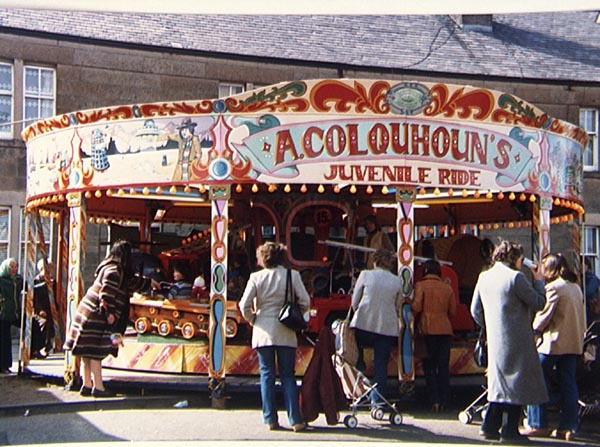
Fairground Images: Colquhourn's Juvenile
Shared with the World by Dr Matt Phillpott
Photograph of Colquhourn's Juvenile, taken Kirkcaldy Links Market, April 1980.
This resource is the copyright of the National Fairground Archive, University of Sheffield (http://www.nfa.dept.shef.ac.uk/) and has been made available with their permission. Some rights reserved (see terms of licence by clicking on the CC licence logo below).
Shared with the World by Dr Matt Phillpott
![[img]](http://www.humbox.ac.uk//341/1/00210257.jpg)
 Preview |
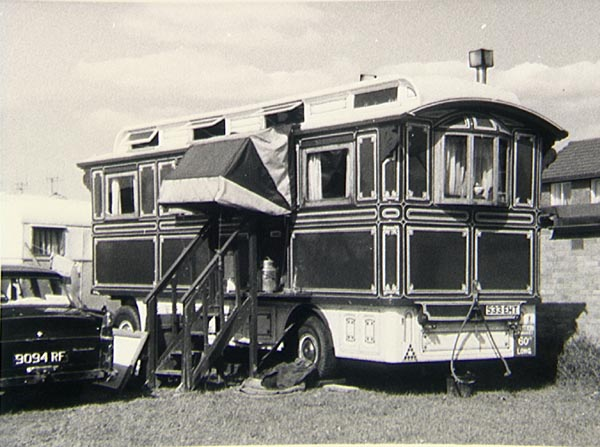
Fairground Images: Danny Day's Living Wagon
Shared with the World by Dr Matt Phillpott
Photograph of Danny Day's Living Wagon - 533ENT - seen at Recreation Ground, Clifton.
This resource is the copyright of the National Fairground Archive, University of Sheffield (http://www.nfa.dept.shef.ac.uk/) and has been made available with their permission. Some rights reserved (see terms of licence by clicking on the CC licence logo below).
Shared with the World by Dr Matt Phillpott
![[img]](http://www.humbox.ac.uk//394/1/00270017.jpg)
 Preview |
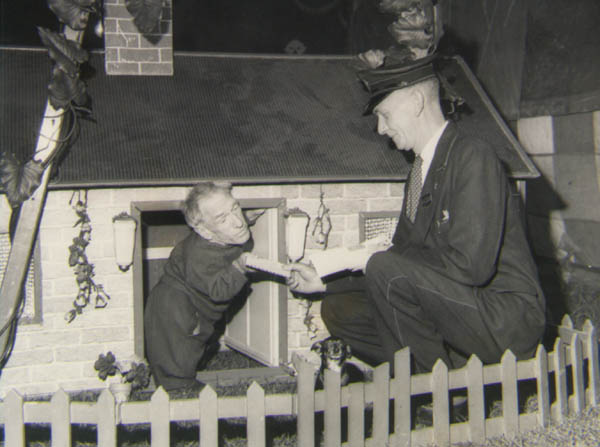
Fairground Images: Davey Jones, the Irish Leprechaun
Shared with the World by Dr Matt Phillpott
Photograph of Davey Jones, the Irish Leprechaun, at Bridgwater Fair when he was with Florence and Robert Campbell.
This resource is the copyright of the National Fairground Archive, University of Sheffield (http://www.nfa.dept.shef.ac.uk/) and has been made available with their permission. Some rights reserved (see terms of licence by clicking on the CC licence logo below).
Shared with the World by Dr Matt Phillpott
![[img]](http://www.humbox.ac.uk//365/1/00330011.jpg)
 Preview |
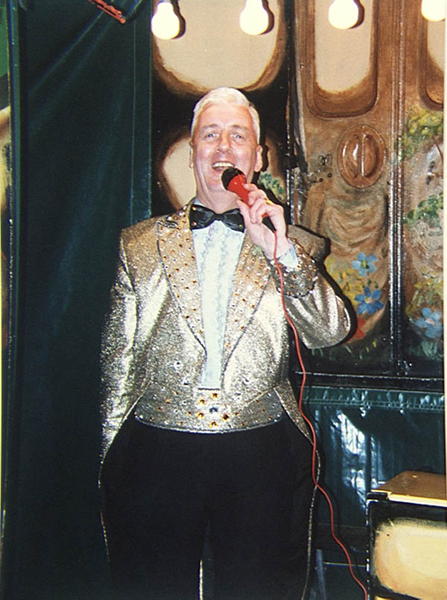
Fairground Images: David Weeks with Snake Girl Show
Shared with the World by Dr Matt Phillpott
David Weeks with Snake Girl Show, Nottingham Goose Fair, photographed 1994.
This resource is the copyright of the National Fairground Archive, University of Sheffield (http://www.nfa.dept.shef.ac.uk/) and has been made available with their permission. Some rights reserved (see terms of licence by clicking on the CC licence logo below).
Shared with the World by Dr Matt Phillpott
![[img]](http://www.humbox.ac.uk//322/1/00330022.jpg)
 Preview |
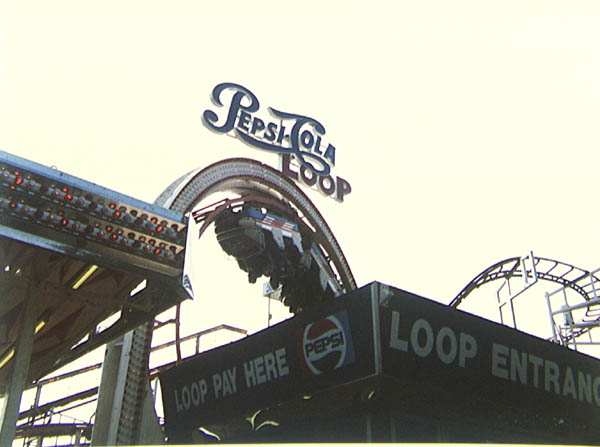
Fairground Images: DeKoning's Looping Coaster
Shared with the World by Dr Matt Phillpott
Official opening of 1994 Goose Fair with dignitaries riding DeKoning's Looping Coaster.
This resource is the copyright of the National Fairground Archive, University of Sheffield (http://www.nfa.dept.shef.ac.uk/) and has been made available with their permission. Some rights reserved (see terms of licence by clicking on the CC licence logo below).
Shared with the World by Dr Matt Phillpott
![[img]](http://www.humbox.ac.uk//344/1/00230694.jpg)
 Preview |
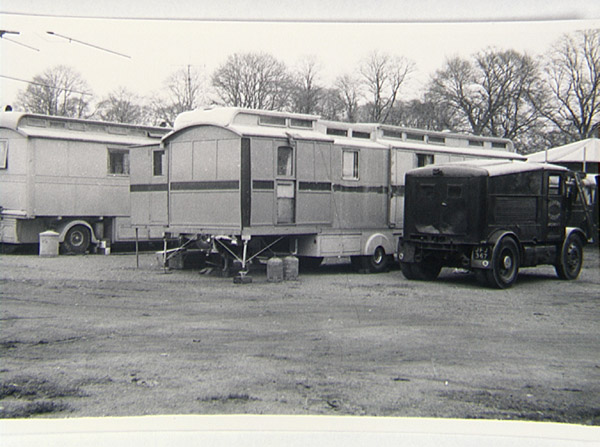
Fairground Images: Deakin's Living Wagons and Scammell tractor
Shared with the World by Dr Matt Phillpott
Deakin's Living Wagons and Scammell tractor, photographed 27 April 1963.
This resource is the copyright of the National Fairground Archive, University of Sheffield (http://www.nfa.dept.shef.ac.uk/) and has been made available with their permission. Some rights reserved (see terms of licence by clicking on the CC licence logo below).
Shared with the World by Dr Matt Phillpott
![[img]](http://www.humbox.ac.uk//352/1/00130196.jpg)
 Preview |
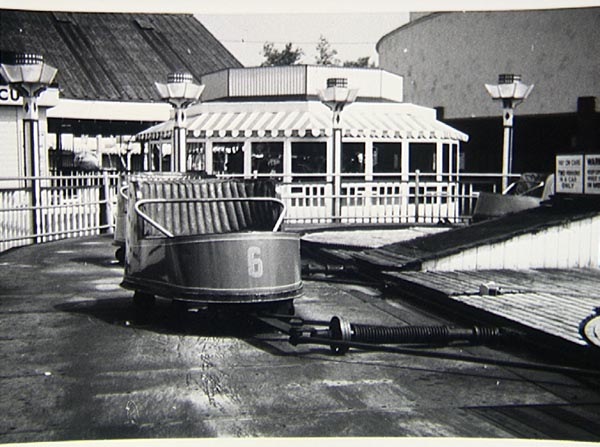
Fairground Images: Dreamland Amusements Whip
Shared with the World by Dr Matt Phillpott
Dreamland Amusements Whip, Dreamland Amusement Park, Margate, photographed July 1957.
This resource is the copyright of the National Fairground Archive, University of Sheffield (http://www.nfa.dept.shef.ac.uk/) and has been made available with their permission. Some rights reserved (see terms of licence by clicking on the CC licence logo below).
Shared with the World by Dr Matt Phillpott
![[img]](http://www.humbox.ac.uk//403/1/00300637.jpg)
 Preview |
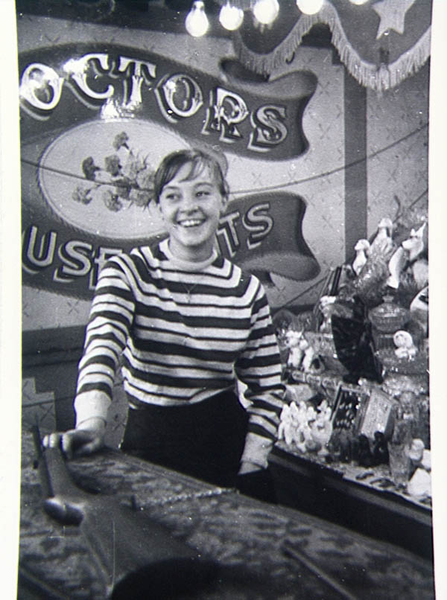
Fairground Images: Ellen Proctor, rifle range
Shared with the World by Dr Matt Phillpott
Ellen Proctor, rifle range, photographed 1959.
This resource is the copyright of the National Fairground Archive, University of Sheffield (http://www.nfa.dept.shef.ac.uk/) and has been made available with their permission. Some rights reserved (see terms of licence by clicking on the CC licence logo below).
Shared with the World by Dr Matt Phillpott
![[img]](http://www.humbox.ac.uk//407/1/00461120.jpg)
 Preview |
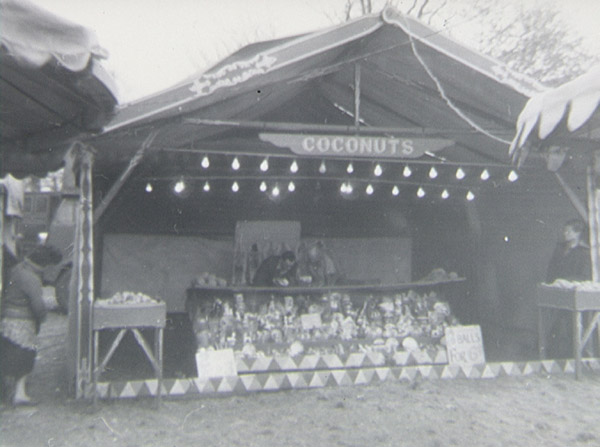
Fairground Images: Eva's Coconut Sheet
Shared with the World by Dr Matt Phillpott
Eva's Coconut Sheet photographed 27 April 1963.
This resource is the copyright of the National Fairground Archive, University of Sheffield (http://www.nfa.dept.shef.ac.uk/) and has been made available with their permission. Some rights reserved (see terms of licence by clicking on the CC licence logo below).
Shared with the World by Dr Matt Phillpott
![[img]](http://www.humbox.ac.uk//363/1/00390592.jpg)
 Preview |
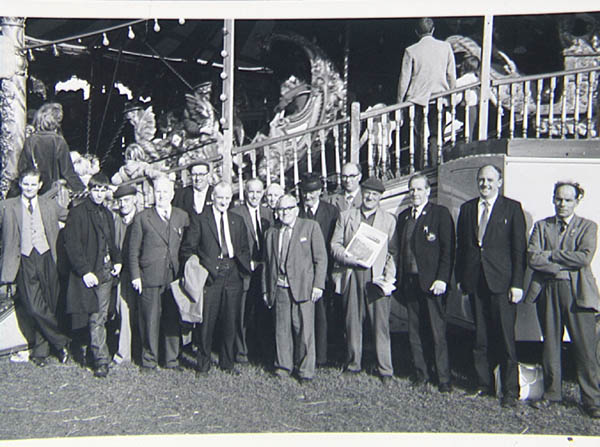
Fairground Images: Fans gathering at Bridgwater, St Matthews Fair
Shared with the World by Dr Matt Phillpott
Fans gathering at Bridgwater, St Matthews Fair, photographed 1967.
This resource is the copyright of the National Fairground Archive, University of Sheffield (http://www.nfa.dept.shef.ac.uk/) and has been made available with their permission. Some rights reserved (see terms of licence by clicking on the CC licence logo below).
Shared with the World by Dr Matt Phillpott
![[img]](http://www.humbox.ac.uk//338/1/00480912.jpg)
 Preview |
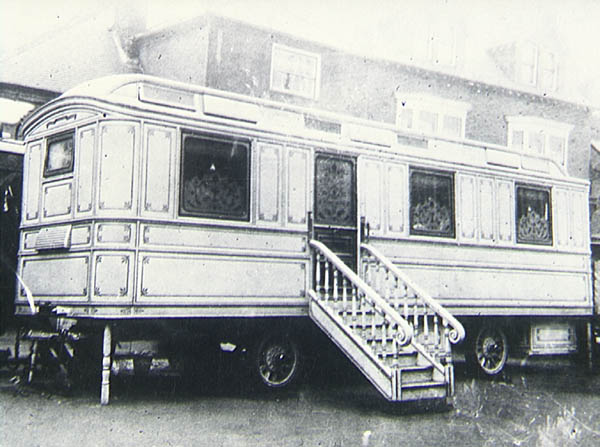
Fairground Images: Flora Collins' White Lady living wagon
Shared with the World by Dr Matt Phillpott
Flora Collins' White Lady living wagon, photographed 1909.
This resource is the copyright of the National Fairground Archive, University of Sheffield (http://www.nfa.dept.shef.ac.uk/) and has been made available with their permission. Some rights reserved (see terms of licence by clicking on the CC licence logo below).
Shared with the World by Dr Matt Phillpott
![[img]](http://www.humbox.ac.uk//293/1/00270040.jpg)
 Preview |
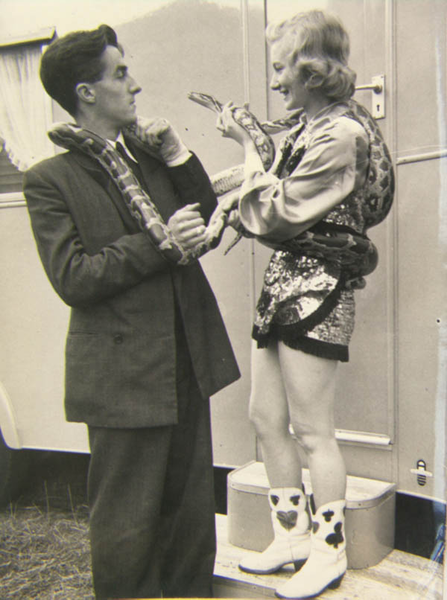
Fairground Images: Florence Shufflebottom with pythons and press reporter
Shared with the World by Dr Matt Phillpott
Photograph of Florence Shufflebottom with pythons and press reporter, taken Hull, circa 1954.
This resource is the copyright of the National Fairground Archive, University of Sheffield (http://www.nfa.dept.shef.ac.uk/) and has been made available with their permission. Some rights reserved (see terms of licence by clicking on the CC licence logo below).
Shared with the World by Dr Matt Phillpott
![[img]](http://www.humbox.ac.uk//364/1/00220102.jpg)
 Preview |
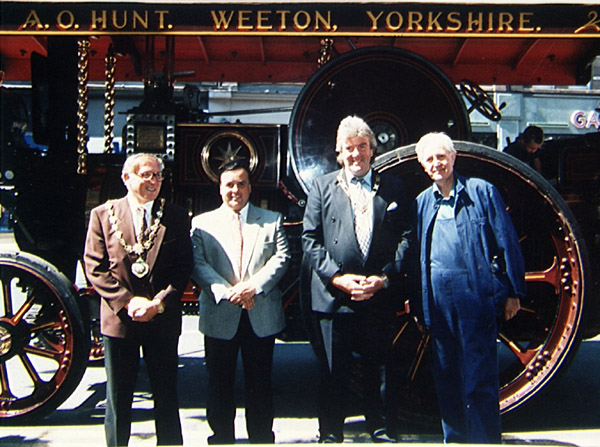
Fairground Images: Frank Newsome (Guild President), William Percival (Lessee), Raymond Eddy (Chair of Yorkshire Section) and A. O. Hunt
Shared with the World by Dr Matt Phillpott
Frank Newsome (Guild President), William Percival (Lessee), Raymond Eddy (Chair of Yorkshire Section) and A. O. Hunt, photographed August 1995.
This resource is the copyright of the National Fairground Archive, University of Sheffield (http://www.nfa.dept.shef.ac.uk/) and has been made available with their permission. Some rights reserved (see terms of licence by clicking on the CC licence logo below).
Shared with the World by Dr Matt Phillpott
![[img]](http://www.humbox.ac.uk//361/1/00550077.jpg)
 Preview |
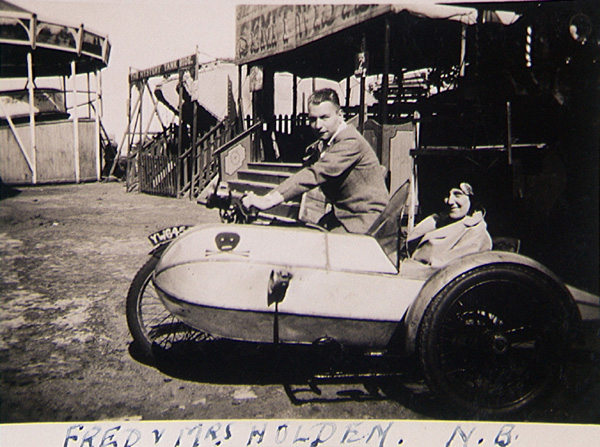
Fairground Images: Fred Farrow and Mrs Holden
Shared with the World by Dr Matt Phillpott
Fred Farrow and Mrs Holden, photographed 1931.
This resource is the copyright of the National Fairground Archive, University of Sheffield (http://www.nfa.dept.shef.ac.uk/) and has been made available with their permission. Some rights reserved (see terms of licence by clicking on the CC licence logo below).
Shared with the World by Dr Matt Phillpott
![[img]](http://www.humbox.ac.uk//292/1/00460790.jpg)
 Preview |
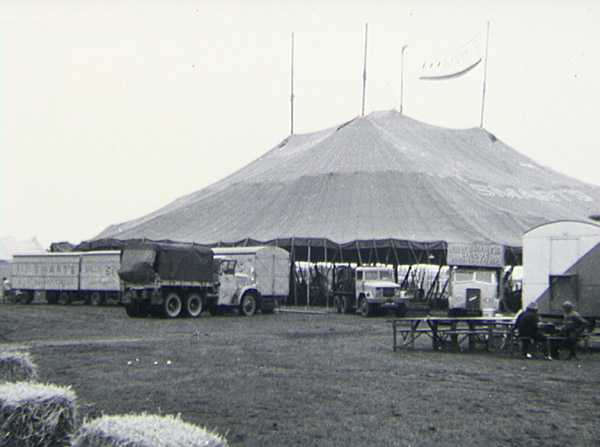
Fairground Images: General view of the Circus
Shared with the World by Dr Matt Phillpott
General view of the Circus, photographed 26 April 1964.
This resource is the copyright of the National Fairground Archive, University of Sheffield (http://www.nfa.dept.shef.ac.uk/) and has been made available with their permission. Some rights reserved (see terms of licence by clicking on the CC licence logo below).
Shared with the World by Dr Matt Phillpott
![[img]](http://www.humbox.ac.uk//329/1/00350126.jpg)
 Preview |
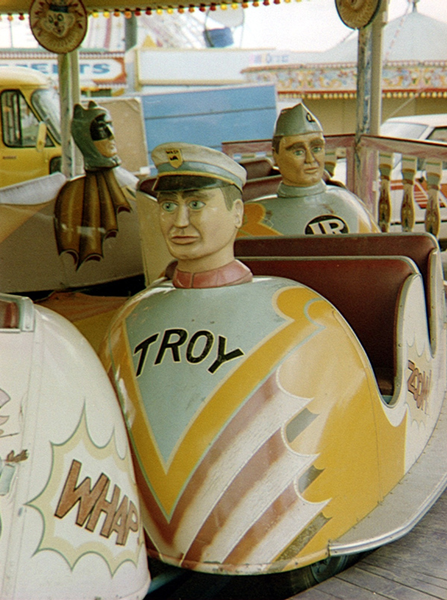
Fairground Images: George Warrington's Thunderbirds Muffin Juvenile
Shared with the World by Dr Matt Phillpott
George Warrington's Thunderbirds Muffin Juvenile, photographed October 1985.
This resource is the copyright of the National Fairground Archive, University of Sheffield (http://www.nfa.dept.shef.ac.uk/) and has been made available with their permission. Some rights reserved (see terms of licence by clicking on the CC licence logo below).
Shared with the World by Dr Matt Phillpott
![[img]](http://www.humbox.ac.uk//392/1/00300669.jpg)
 Preview |
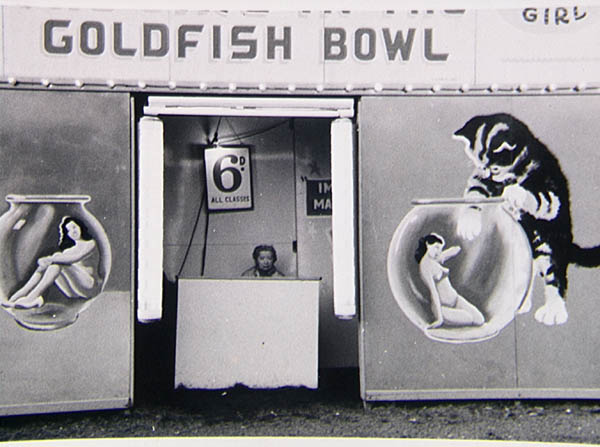
Fairground Images: Girl in a goldfish Bowl show, photographed 1960.
Shared with the World by Dr Matt Phillpott
Girl in a goldfish Bowl show, photographed 1960.
This resource is the copyright of the National Fairground Archive, University of Sheffield (http://www.nfa.dept.shef.ac.uk/) and has been made available with their permission. Some rights reserved (see terms of licence by clicking on the CC licence logo below).
Shared with the World by Dr Matt Phillpott
![[img]](http://www.humbox.ac.uk//323/1/00420497.jpg)
 Preview |
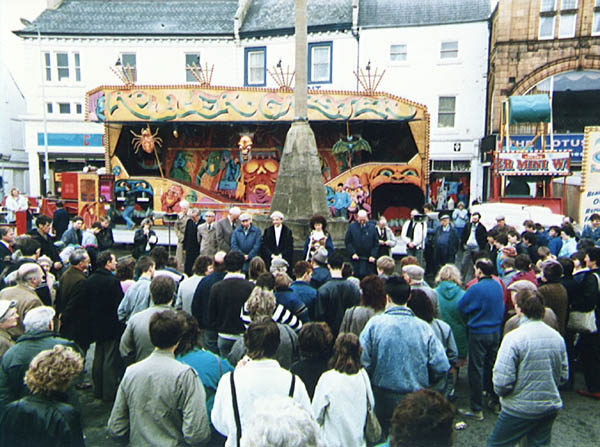
Fairground Images: Grantham opening ceremony
Shared with the World by Dr Matt Phillpott
Grantham Mid-Lent Fair opening ceremony, 21 March 1988.
This resource is the copyright of the National Fairground Archive, University of Sheffield (http://www.nfa.dept.shef.ac.uk/) and has been made available with their permission. Some rights reserved (see terms of licence by clicking on the CC licence logo below).
Shared with the World by Dr Matt Phillpott
![[img]](http://www.humbox.ac.uk//425/1/00390172.jpg)
 Preview |
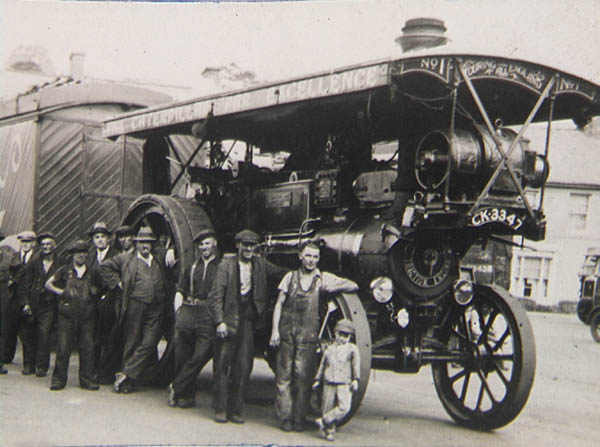
Fairground Images: Green's Burrell engine
Shared with the World by Dr Matt Phillpott
Green's Burrell engine - number 3089 His Majesty - photographed 1935.
This resource is the copyright of the National Fairground Archive, University of Sheffield (http://www.nfa.dept.shef.ac.uk/) and has been made available with their permission. Some rights reserved (see terms of licence by clicking on the CC licence logo below).
Shared with the World by Dr Matt Phillpott
![[img]](http://www.humbox.ac.uk//404/1/00050135.jpg)
 Preview |
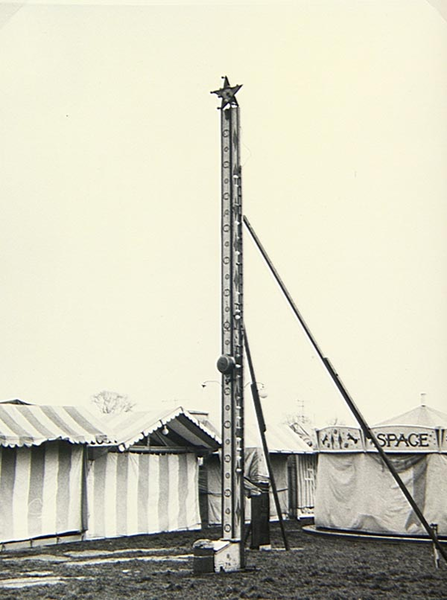
Fairground Images: Harris's Striker
Shared with the World by Dr Matt Phillpott
Whole view of Harris's Striker, taken Cardington Road, Bedford Easter Fair, 20 April 1962.
This resource is the copyright of the National Fairground Archive, University of Sheffield (http://www.nfa.dept.shef.ac.uk/) and has been made available with their permission. Some rights reserved (see terms of licence by clicking on the CC licence logo below).
Shared with the World by Dr Matt Phillpott
![[img]](http://www.humbox.ac.uk//391/1/00060512.jpg)
 Preview |
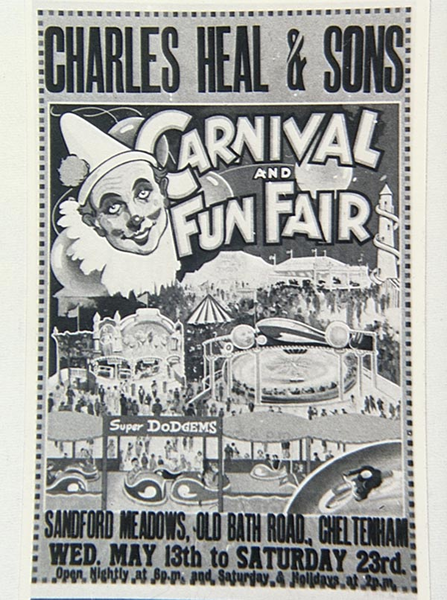
Fairground Images: Heal Brothers' publicity poster
Shared with the World by Dr Matt Phillpott
Whole view of Heal Brothers' publicity poster, taken 19 May 1964.
This resource is the copyright of the National Fairground Archive, University of Sheffield (http://www.nfa.dept.shef.ac.uk/) and has been made available with their permission. Some rights reserved (see terms of licence by clicking on the CC licence logo below).
Shared with the World by Dr Matt Phillpott
![[img]](http://www.humbox.ac.uk//333/1/00120897.jpg)
 Preview |
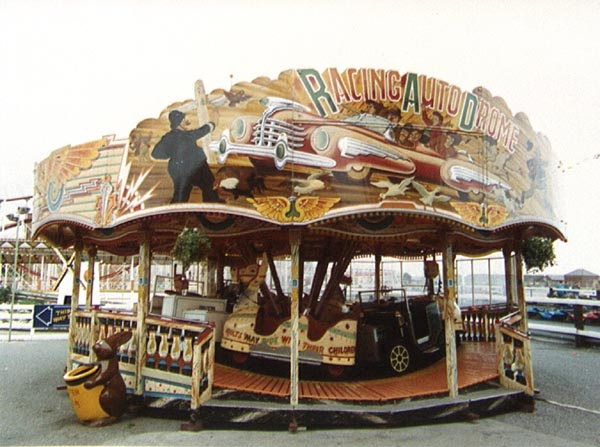
Fairground Images: Henry Crick's Lakin Juvenile
Shared with the World by Dr Matt Phillpott
Henry Crick's Lakin Juvenile, photographed 11 September 1990.
This resource is the copyright of the National Fairground Archive, University of Sheffield (http://www.nfa.dept.shef.ac.uk/) and has been made available with their permission. Some rights reserved (see terms of licence by clicking on the CC licence logo below).
Shared with the World by Dr Matt Phillpott
![[img]](http://www.humbox.ac.uk//430/1/00260058.jpg)
 Preview |
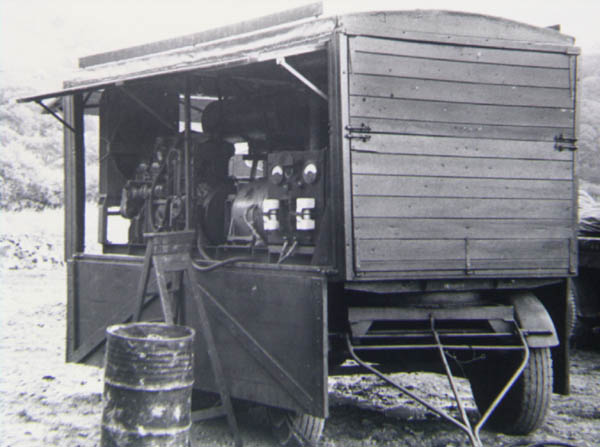
Fairground Images: Henry Studt's generator wagon
Shared with the World by Dr Matt Phillpott
Henry Studt's generator wagon, photographed 29 June 1963.
This resource is the copyright of the National Fairground Archive, University of Sheffield (http://www.nfa.dept.shef.ac.uk/) and has been made available with their permission. Some rights reserved (see terms of licence by clicking on the CC licence logo below).
Shared with the World by Dr Matt Phillpott
![[img]](http://www.humbox.ac.uk//684/1/00320035.jpg)
 Preview |
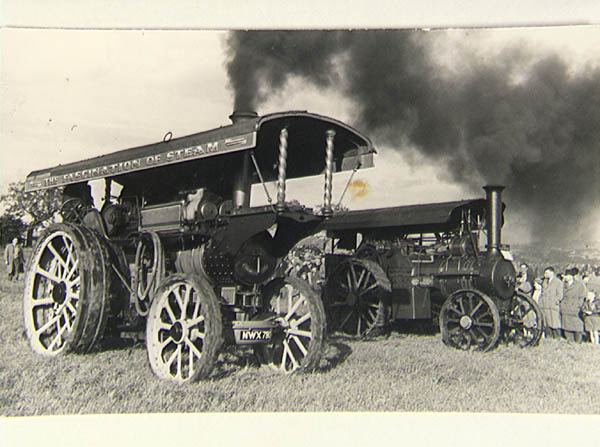
Fairground Images: Hibble and Mellors' Fowler R3 3 cylinder 8 h.p. engine
Shared with the World by Dr Matt Phillpott
Photograph of Hibble and Mellors' Fowler R3 3 cylinder 8 h.p. engine number 15117 - Headway, registration NWX780 - which was new in 1920, taken here at Bishop Aukland Rally, 1954.
This resource is the copyright of the National Fairground Archive, University of Sheffield (http://www.nfa.dept.shef.ac.uk/) and has been made available with their permission. Some rights reserved (see terms of licence by clicking on the CC licence logo below).
Shared with the World by Dr Matt Phillpott
![[img]](http://www.humbox.ac.uk//328/1/00440624.jpg)
 Preview |
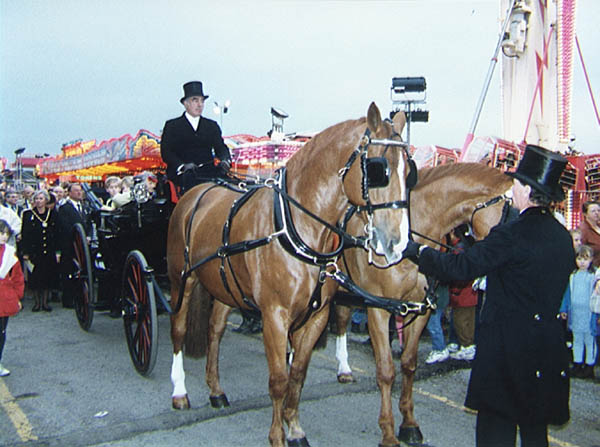
Fairground Images: Hull opening ceremony 1994
Shared with the World by Dr Matt Phillpott
Hull Pleasure Fair opening ceremony 1994.
This resource is the copyright of the National Fairground Archive, University of Sheffield (http://www.nfa.dept.shef.ac.uk/) and has been made available with their permission. Some rights reserved (see terms of licence by clicking on the CC licence logo below).
Shared with the World by Dr Matt Phillpott
![[img]](http://www.humbox.ac.uk//335/1/00060778.jpg)
 Preview |
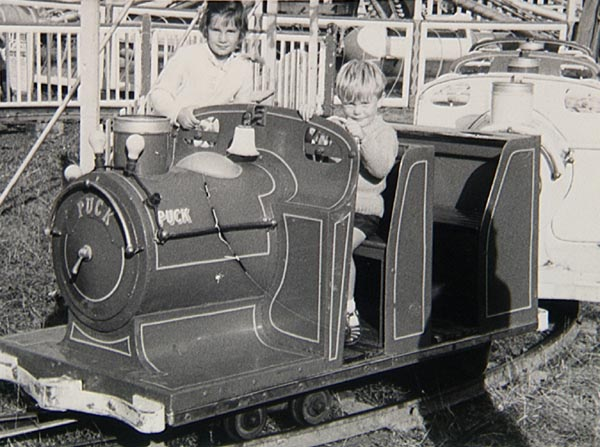
Fairground Images: J. Coneley's Car on Juvenile Train ride
Shared with the World by Dr Matt Phillpott
Photograph of J. Coneley's Car on Juvenile Train ride, taken 7 August 1964.
This resource is the copyright of the National Fairground Archive, University of Sheffield (http://www.nfa.dept.shef.ac.uk/) and has been made available with their permission. Some rights reserved (see terms of licence by clicking on the CC licence logo below).
Shared with the World by Dr Matt Phillpott
![[img]](http://www.humbox.ac.uk//331/1/00050304.jpg)
 Preview |
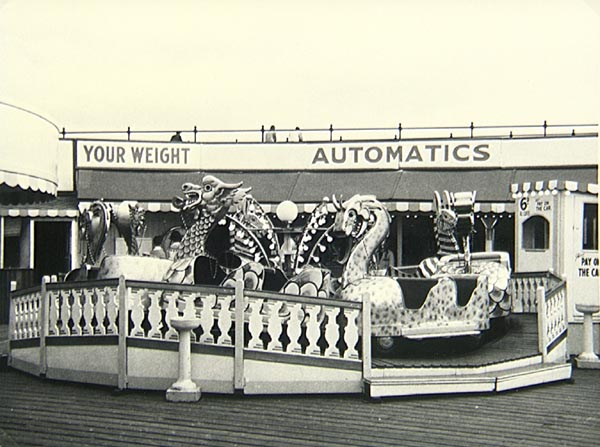
Fairground Images: J. Corrigan's Juvenile Autodrome, Corrigan's Amusements
Shared with the World by Dr Matt Phillpott
Photograph of J. Corrigan's Juvenile Autodrome, Corrigan's Amusements, photographed 17 July 1962. This resource is the copyright of the National Fairground Archive, University of Sheffield (http://www.nfa.dept.shef.ac.uk/) and has been made available with their permission. Some rights reserved (see terms of licence by clicking on the CC licence logo below).
Shared with the World by Dr Matt Phillpott
![[img]](http://www.humbox.ac.uk//345/1/00480788.jpg)
 Preview |
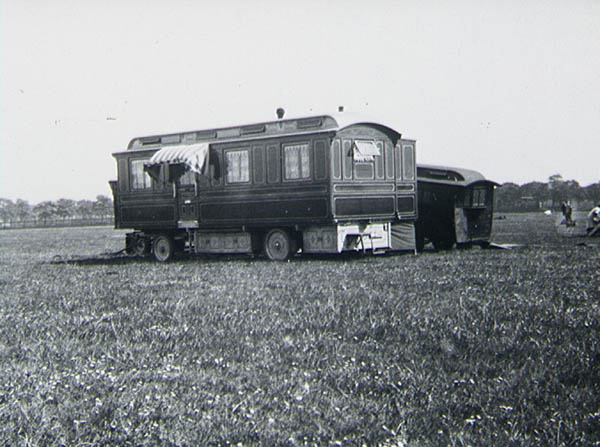
Fairground Images: J. Hobson's wagon
Shared with the World by Dr Matt Phillpott
J. Hobson's wagon, Newcastle Town Moor Fair, photographed 16 June 1938.
This resource is the copyright of the National Fairground Archive, University of Sheffield (http://www.nfa.dept.shef.ac.uk/) and has been made available with their permission. Some rights reserved (see terms of licence by clicking on the CC licence logo below).
Shared with the World by Dr Matt Phillpott
![[img]](http://www.humbox.ac.uk//343/1/00460146.jpg)
 Preview |
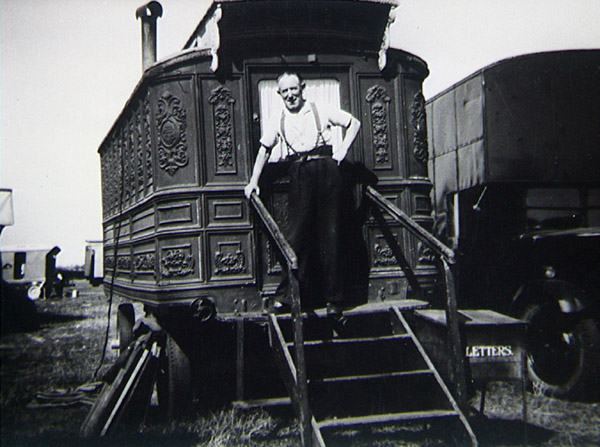
Fairground Images: J. McGill's Living Wagon
Shared with the World by Dr Matt Phillpott
J. McGill's Living Wagon, photographed 16 July 1949.
This resource is the copyright of the National Fairground Archive, University of Sheffield (http://www.nfa.dept.shef.ac.uk/) and has been made available with their permission. Some rights reserved (see terms of licence by clicking on the CC licence logo below).
Shared with the World by Dr Matt Phillpott
![[img]](http://www.humbox.ac.uk//401/1/00050067.jpg)
 Preview |
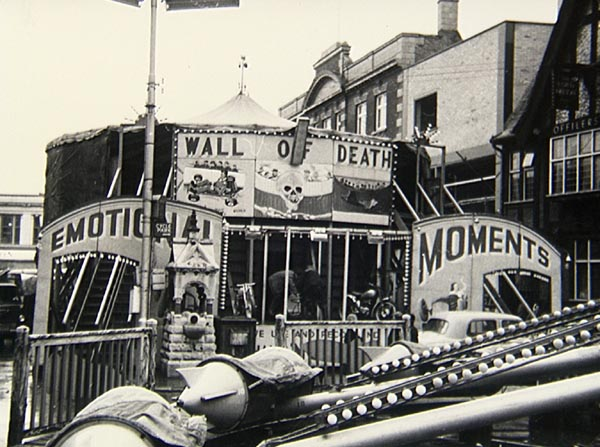
Fairground Images: J. Messham's Wall of Death
Shared with the World by Dr Matt Phillpott
Front view of J. Messham's Wall of Death, taken at Loughborough Fair, Market Place, 11 November 1961.
This resource is the copyright of the National Fairground Archive, University of Sheffield (http://www.nfa.dept.shef.ac.uk/) and has been made available with their permission. Some rights reserved (see terms of licence by clicking on the CC licence logo below).
Shared with the World by Dr Matt Phillpott
![[img]](http://www.humbox.ac.uk//428/1/00070350.jpg)
 Preview |
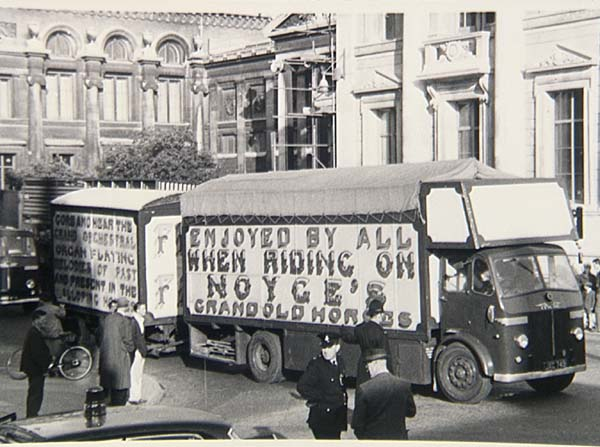
Fairground Images: J. Noyce's 4 wheel Leyland with organ truck
Shared with the World by Dr Matt Phillpott
J. Noyce's 4 wheel Leyland - registration JXC749 - with organ truck, St Giles Fair, Oxford. Photographed 5 September 1965.
This resource is the copyright of the National Fairground Archive, University of Sheffield (http://www.nfa.dept.shef.ac.uk/) and has been made available with their permission. Some rights reserved (see terms of licence by clicking on the CC licence logo below).
Shared with the World by Dr Matt Phillpott
![[img]](http://www.humbox.ac.uk//334/1/00080099.jpg)
 Preview |
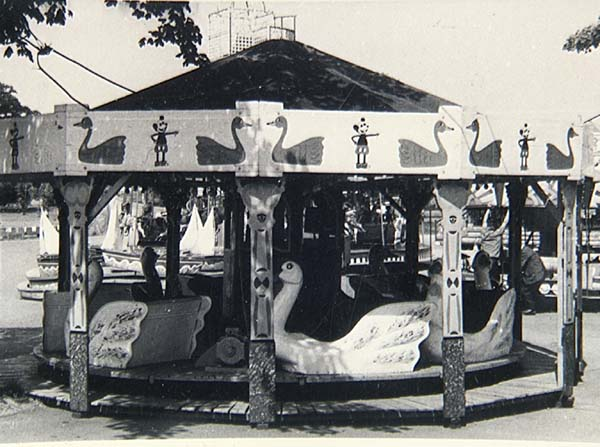
Fairground Images: J. Shipley's Duck Ride, Juvenile
Shared with the World by Dr Matt Phillpott
Whole view of J. Shipley's Duck Ride, Juvenile, Drayton Manor Park, Tamworth, photographed 23 July 1967.
This resource is the copyright of the National Fairground Archive, University of Sheffield (http://www.nfa.dept.shef.ac.uk/) and has been made available with their permission. Some rights reserved (see terms of licence by clicking on the CC licence logo below).
Shared with the World by Dr Matt Phillpott
![[img]](http://www.humbox.ac.uk//353/1/00440043.jpg)
 Preview |
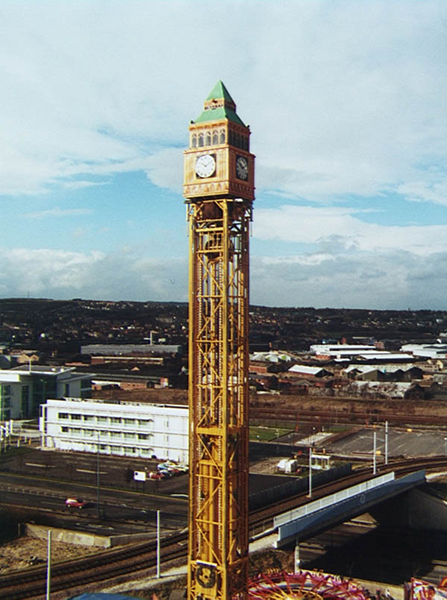
Fairground Images: James Mellor's Big Ben Tower
Shared with the World by Dr Matt Phillpott
James Mellor's Big Ben (drop) Tower, photographed March 2001.
This resource is the copyright of the National Fairground Archive, University of Sheffield (http://www.nfa.dept.shef.ac.uk/) and has been made available with their permission. Some rights reserved (see terms of licence by clicking on the CC licence logo below).
Shared with the World by Dr Matt Phillpott
![[img]](http://www.humbox.ac.uk//411/1/00440212.jpg)
 Preview |
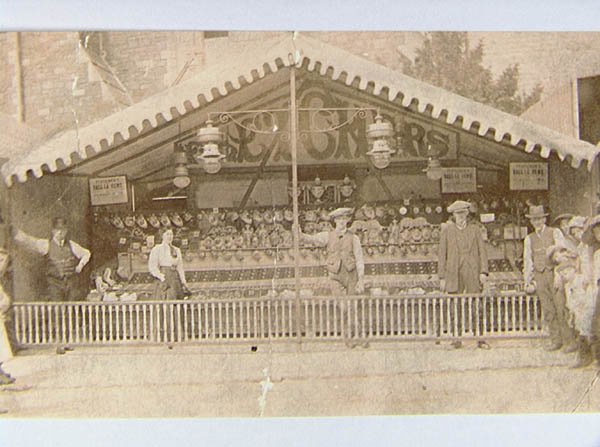
Fairground Images: Joe Fletcher Senior's Ball-La Stall
Shared with the World by Dr Matt Phillpott
Joe Fletcher Senior's Ball-La Stall, photographed 1912.
This resource is the copyright of the National Fairground Archive, University of Sheffield (http://www.nfa.dept.shef.ac.uk/) and has been made available with their permission. Some rights reserved (see terms of licence by clicking on the CC licence logo below).
Shared with the World by Dr Matt Phillpott
![[img]](http://www.humbox.ac.uk//316/1/00530534.jpg)
 Preview |
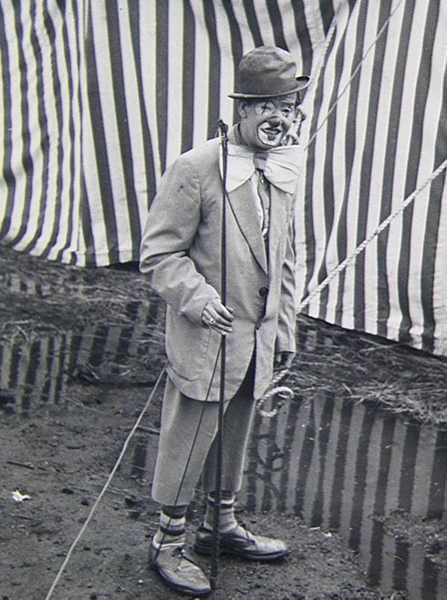
Fairground Images: Joe Gandey
Shared with the World by Dr Matt Phillpott
Joe Gandey, photographed April 1962.
This resource is the copyright of the National Fairground Archive, University of Sheffield (http://www.nfa.dept.shef.ac.uk/) and has been made available with their permission. Some rights reserved (see terms of licence by clicking on the CC licence logo below).
Shared with the World by Dr Matt Phillpott
![[img]](http://www.humbox.ac.uk//409/1/00060620.jpg)
 Preview |
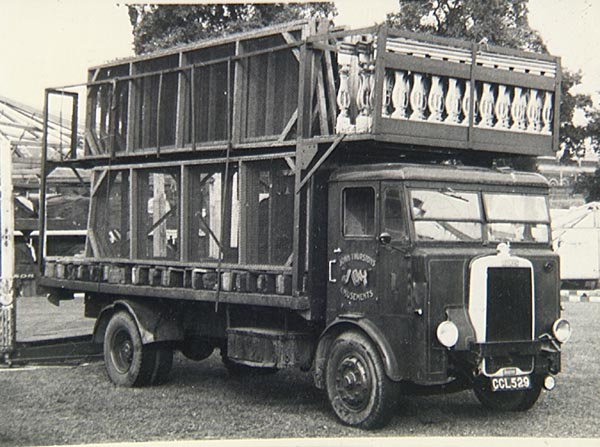
Fairground Images: John Thurston's 4 wheel Leyland lorry with Dodgem
Shared with the World by Dr Matt Phillpott
Whole front and side view of John Thurston's 4 wheel Leyland lorry - registration CCL529 - with Dodgem, taken 1 July 1964 at Kettering Feast Fair.
This resource is the copyright of the National Fairground Archive, University of Sheffield (http://www.nfa.dept.shef.ac.uk/) and has been made available with their permission. Some rights reserved (see terms of licence by clicking on the CC licence logo below).
Shared with the World by Dr Matt Phillpott
![[img]](http://www.humbox.ac.uk//382/1/00030242.jpg)
 Preview |
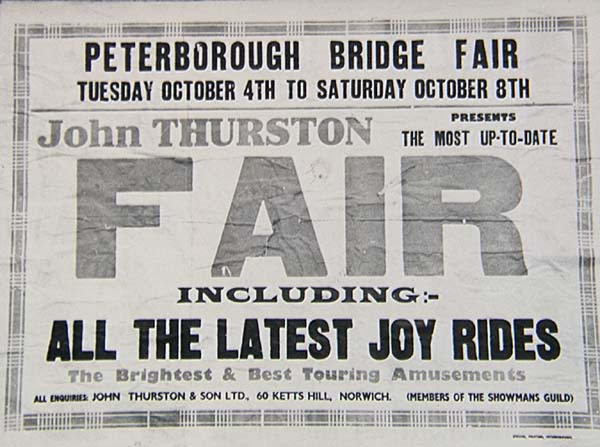
Fairground Images: John Thurston's poster advertising the fair
Shared with the World by Dr Matt Phillpott
Whole view of John Thurston's poster advertising the fair, Peterborough Bridge Fair, photographed 8 October 1960.
This resource is the copyright of the National Fairground Archive, University of Sheffield (http://www.nfa.dept.shef.ac.uk/) and has been made available with their permission. Some rights reserved (see terms of licence by clicking on the CC licence logo below).
Shared with the World by Dr Matt Phillpott
![[img]](http://www.humbox.ac.uk//337/1/00210642.jpg)
 Preview |
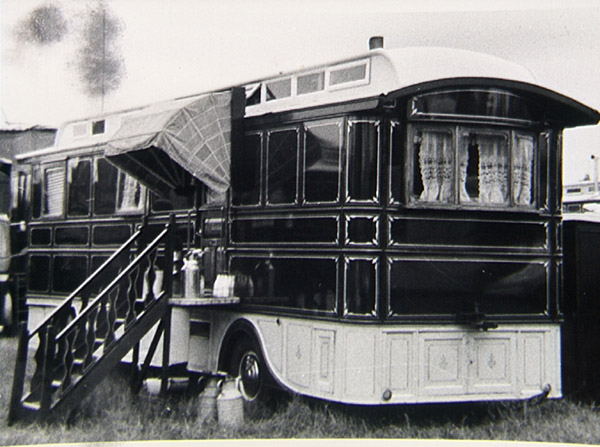
Fairground Images: John and Vera Thurston's Living Wagon
Shared with the World by Dr Matt Phillpott
John and Vera Thurston's Living Wagon, Cambridge Midsummer Fair, photographed 1966.
This resource is the copyright of the National Fairground Archive, University of Sheffield (http://www.nfa.dept.shef.ac.uk/) and has been made available with their permission. Some rights reserved (see terms of licence by clicking on the CC licence logo below).
Shared with the World by Dr Matt Phillpott
![[img]](http://www.humbox.ac.uk//413/1/00300646.jpg)
 Preview |
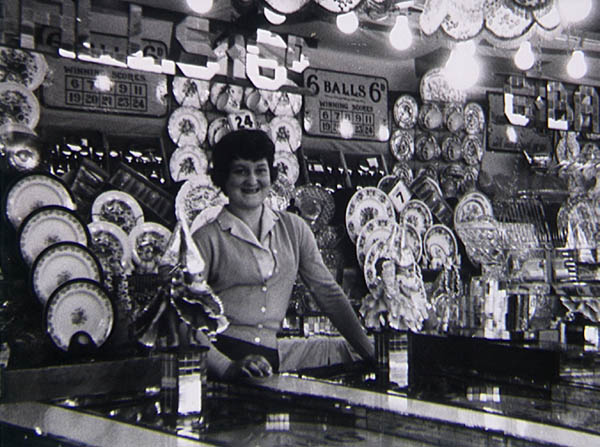
Fairground Images: Josephine Ashcroft
Shared with the World by Dr Matt Phillpott
Josephine Ashcroft, photographed September 1958.
This resource is the copyright of the National Fairground Archive, University of Sheffield (http://www.nfa.dept.shef.ac.uk/) and has been made available with their permission. Some rights reserved (see terms of licence by clicking on the CC licence logo below).
Shared with the World by Dr Matt Phillpott
![[img]](http://www.humbox.ac.uk//327/1/00120215.jpg)
 Preview |
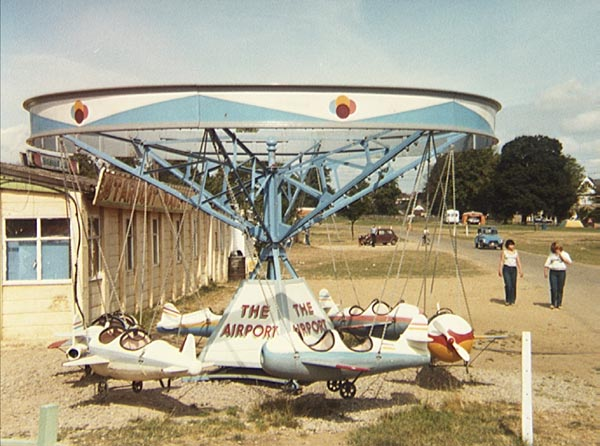
Fairground Images: K. Emmett's Juvenile
Shared with the World by Dr Matt Phillpott
K. Emmett's Juvenile, last machine built by Savages bought from Goss' at Walton, photographed Cosgrove Park, 14 July 1979.
This resource is the copyright of the National Fairground Archive, University of Sheffield (http://www.nfa.dept.shef.ac.uk/) and has been made available with their permission. Some rights reserved (see terms of licence by clicking on the CC licence logo below).
Shared with the World by Dr Matt Phillpott
![[img]](http://www.humbox.ac.uk//324/1/00440737.jpg)
 Preview |
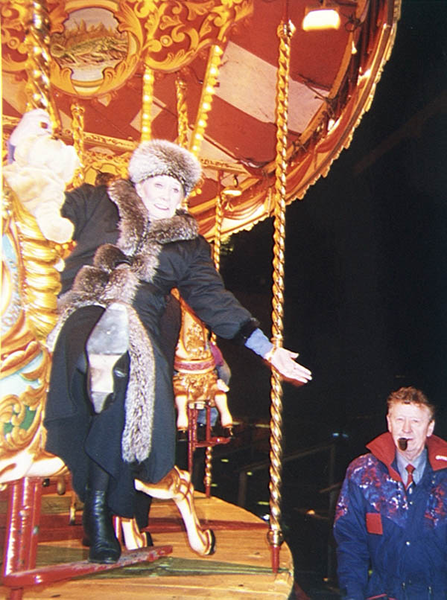
Fairground Images: Liz Dawn (Vera Duckworth from Coronation Street) opens 1996 Valentines Fair
Shared with the World by Dr Matt Phillpott
Liz Dawn (Vera Duckworth from Coronation Street) opens 1996 Valentines Fair.
This resource is the copyright of the National Fairground Archive, University of Sheffield (http://www.nfa.dept.shef.ac.uk/) and has been made available with their permission. Some rights reserved (see terms of licence by clicking on the CC licence logo below).
Shared with the World by Dr Matt Phillpott
![[img]](http://www.humbox.ac.uk//362/1/00450023.jpg)
 Preview |
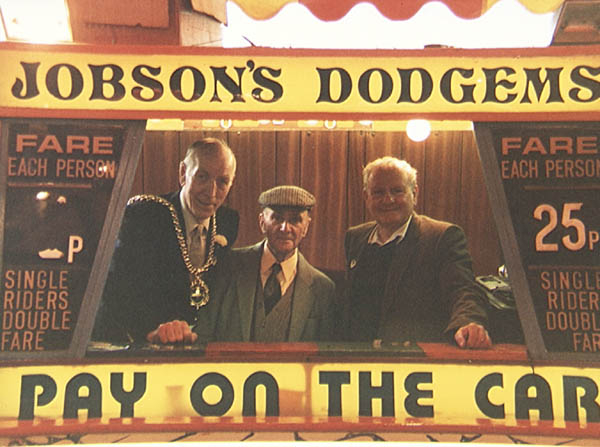
Fairground Images: Luke Jobson and his Dodgems
Shared with the World by Dr Matt Phillpott
Luke Jobson and his Dodgems, photographed 18 April 1987.
This resource is the copyright of the National Fairground Archive, University of Sheffield (http://www.nfa.dept.shef.ac.uk/) and has been made available with their permission. Some rights reserved (see terms of licence by clicking on the CC licence logo below).
Shared with the World by Dr Matt Phillpott
![[img]](http://www.humbox.ac.uk//342/1/00230547.jpg)
 Preview |
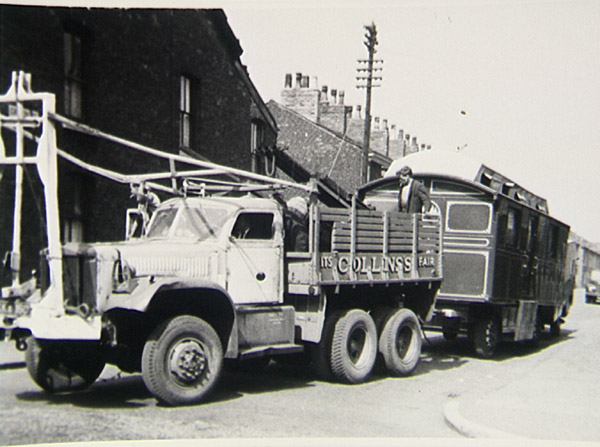
Fairground Images: M. A. Collins' Diamond T tractor with Living Wagon
Shared with the World by Dr Matt Phillpott
M. A. Collins' Diamond T tractor with Living Wagon, photographed 2 September 1958.
This resource is the copyright of the National Fairground Archive, University of Sheffield (http://www.nfa.dept.shef.ac.uk/) and has been made available with their permission. Some rights reserved (see terms of licence by clicking on the CC licence logo below).
Shared with the World by Dr Matt Phillpott
![[img]](http://www.humbox.ac.uk//311/1/00460794.jpg)
 Preview |
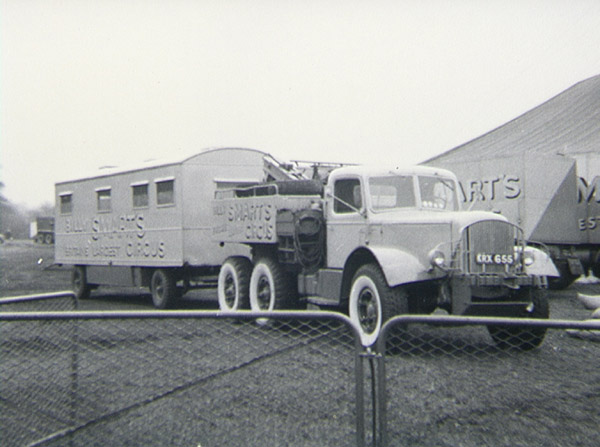
Fairground Images: Mack tractor
Shared with the World by Dr Matt Phillpott
Mack tractor - registration KRX655, photographed 26 April 1964.
This resource is the copyright of the National Fairground Archive, University of Sheffield (http://www.nfa.dept.shef.ac.uk/) and has been made available with their permission. Some rights reserved (see terms of licence by clicking on the CC licence logo below).
Shared with the World by Dr Matt Phillpott
![[img]](http://www.humbox.ac.uk//381/1/00330083.jpg)
 Preview |
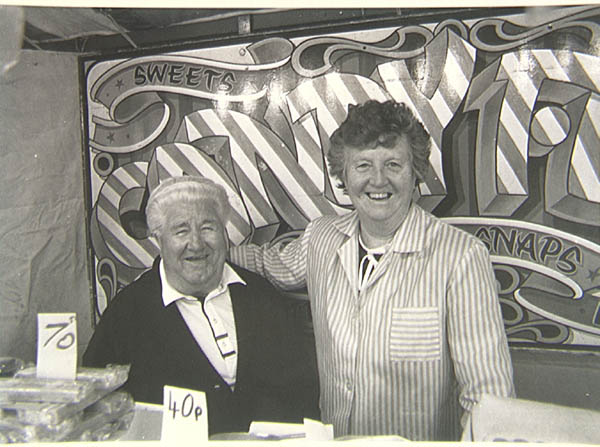
Fairground Images: Mickey and Phyliss Kiely
Shared with the World by Dr Matt Phillpott
Mickey and Phyliss Kiely, Helston flora fair, photographed May 1990.
This resource is the copyright of the National Fairground Archive, University of Sheffield (http://www.nfa.dept.shef.ac.uk/) and has been made available with their permission. Some rights reserved (see terms of licence by clicking on the CC licence logo below).
Shared with the World by Dr Matt Phillpott
![[img]](http://www.humbox.ac.uk//406/1/00010291.jpg)
 Preview |
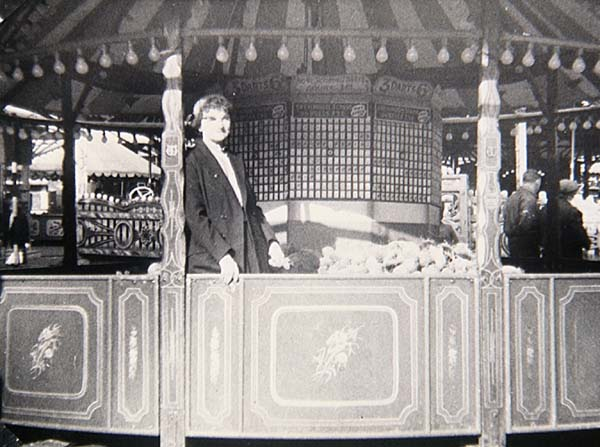
Fairground Images: Mrs T. Wilson Senior stood in Hoopla darts stall
Shared with the World by Dr Matt Phillpott
Whole view of Mrs T. Wilson Senior stood in Hoopla darts stall, Warwick Mop Fair, photographed 18 October 1958.
This resource is the copyright of the National Fairground Archive, University of Sheffield (http://www.nfa.dept.shef.ac.uk/) and has been made available with their permission. Some rights reserved (see terms of licence by clicking on the CC licence logo below).
Shared with the World by Dr Matt Phillpott
![[img]](http://www.humbox.ac.uk//332/1/00010133.jpg)
 Preview |
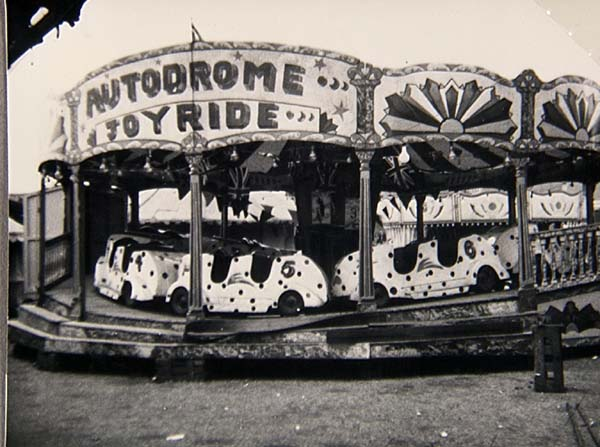
Fairground Images: Muffin Autodrome
Shared with the World by Dr Matt Phillpott
Photograph of the whole three-quarter front view of the Muffin Autodrome, photographed March 1954.
This resource is the copyright of the National Fairground Archive, University of Sheffield (http://www.nfa.dept.shef.ac.uk/) and has been made available with their permission. Some rights reserved (see terms of licence by clicking on the CC licence logo below).
Shared with the World by Dr Matt Phillpott
![[img]](http://www.humbox.ac.uk//405/1/00440201.jpg)
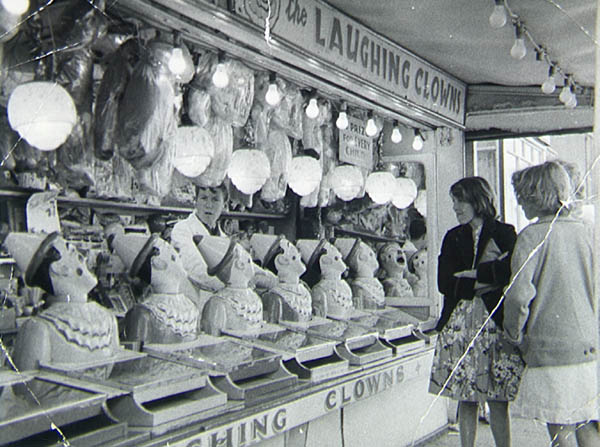 Preview |
Fairground Images: O'Connor's Laughing Clowns Stall
Shared with the World by Dr Matt Phillpott
O'Connor's Laughing Clowns Stall, photographed circa 1970.
This resource is the copyright of the National Fairground Archive, University of Sheffield (http://www.nfa.dept.shef.ac.uk/) and has been made available with their permission. Some rights reserved (see terms of licence by clicking on the CC licence logo below).
Shared with the World by Dr Matt Phillpott
![[img]](http://www.humbox.ac.uk//319/1/00390435.jpg)
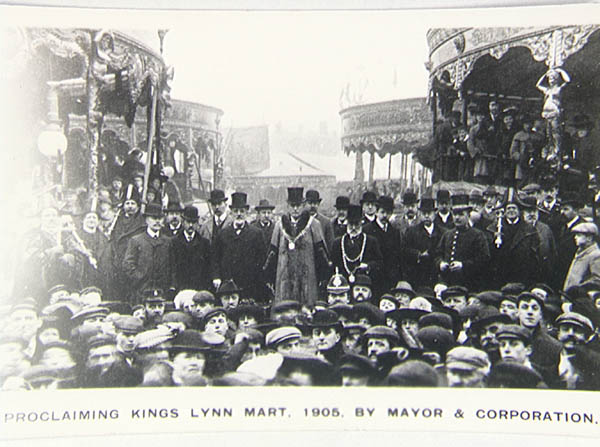 Preview |
Fairground Images: Opening of King's Lynn Mart, 1905
Shared with the World by Dr Matt Phillpott
Opening of King's Lynn Mart, photographed 1905.
This resource is the copyright of the National Fairground Archive, University of Sheffield (http://www.nfa.dept.shef.ac.uk/) and has been made available with their permission. Some rights reserved (see terms of licence by clicking on the CC licence logo below).
Shared with the World by Dr Matt Phillpott
![[img]](http://www.humbox.ac.uk//354/1/00250447.jpg)
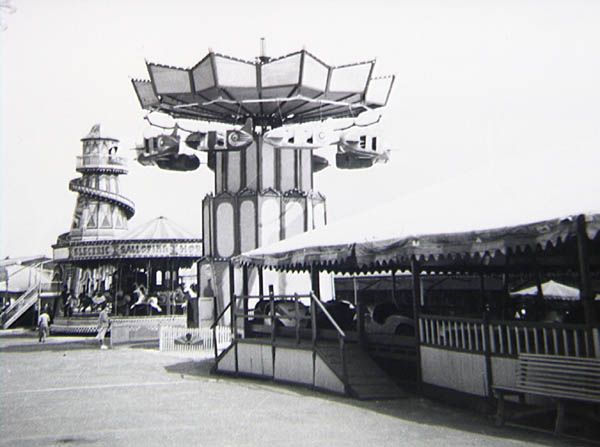 Preview |
Fairground Images: Pat Collins' Flying Fleas
Shared with the World by Dr Matt Phillpott
Pat Collins' Flying Fleas, photographed 20 July 1951.
This resource is the copyright of the National Fairground Archive, University of Sheffield (http://www.nfa.dept.shef.ac.uk/) and has been made available with their permission. Some rights reserved (see terms of licence by clicking on the CC licence logo below).
Shared with the World by Dr Matt Phillpott
![[img]](http://www.humbox.ac.uk//339/1/00040061.jpg)
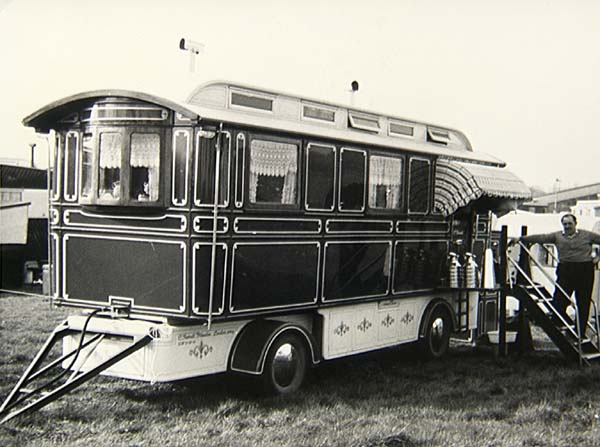 Preview |
Fairground Images: Photograph of C. Farrell and his living wagon
Shared with the World by Dr Matt Phillpott
Whole front and side view of C. Farrell and his living wagon, taken Bridge Meadow site, Peterborough Mart Fair, 25 March 1961.
This resource is the copyright of the National Fairground Archive, University of Sheffield (http://www.nfa.dept.shef.ac.uk/) and has been made available with their permission. Some rights reserved (see terms of licence by clicking on the CC licence logo below).
Shared with the World by Dr Matt Phillpott
![[img]](http://www.humbox.ac.uk//396/1/00030123.jpg)
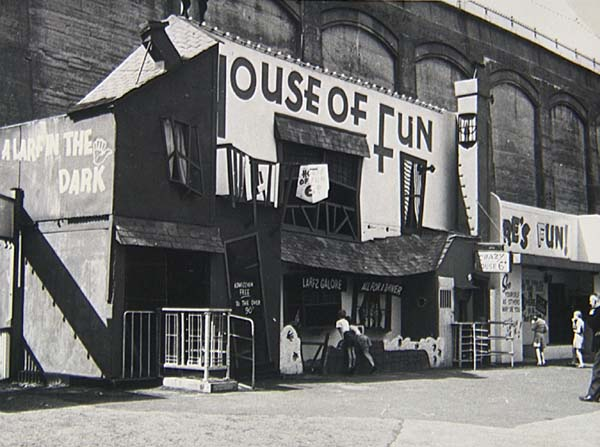 Preview |
Fairground Images: Photograph of House of Fun Funhouse
Shared with the World by Dr Matt Phillpott
Whole angled front view of House of Fun Funhouse, taken 16 August 1960.
This resource is the copyright of the National Fairground Archive, University of Sheffield (http://www.nfa.dept.shef.ac.uk/) and has been made available with their permission. Some rights reserved (see terms of licence by clicking on the CC licence logo below).
Shared with the World by Dr Matt Phillpott
![[img]](http://www.humbox.ac.uk//384/1/00230485.jpg)
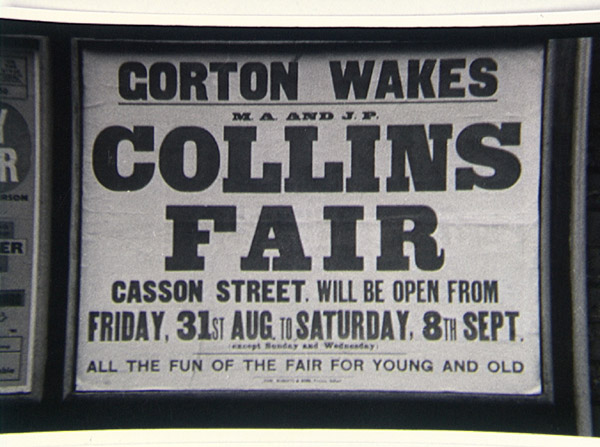 Preview |
Fairground Images: Poster advertising Gorton Wakes Fair
Shared with the World by Dr Matt Phillpott
Poster advertising Gorton Wakes Fair, photographed 4 September 1962.
This resource is the copyright of the National Fairground Archive, University of Sheffield (http://www.nfa.dept.shef.ac.uk/) and has been made available with their permission. Some rights reserved (see terms of licence by clicking on the CC licence logo below).
Shared with the World by Dr Matt Phillpott
![[img]](http://www.humbox.ac.uk//388/1/00070422.jpg)
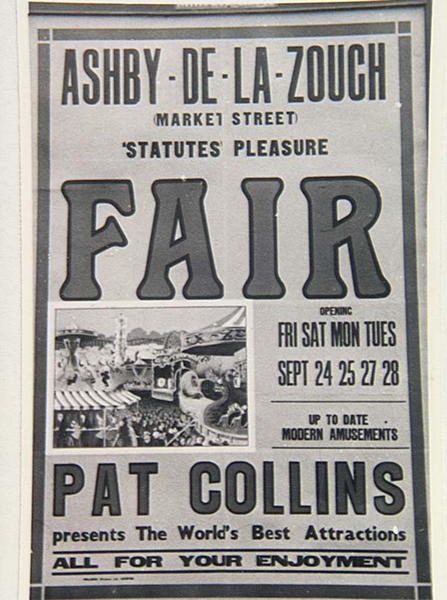 Preview |
Fairground Images: Poster for Pat Collins' Fair
Shared with the World by Dr Matt Phillpott
Poster for Pat Collins' Fair, photographed 25 September 1965.
This resource is the copyright of the National Fairground Archive, University of Sheffield (http://www.nfa.dept.shef.ac.uk/) and has been made available with their permission. Some rights reserved (see terms of licence by clicking on the CC licence logo below).
Shared with the World by Dr Matt Phillpott
![[img]](http://www.humbox.ac.uk//389/1/00160748.jpg)
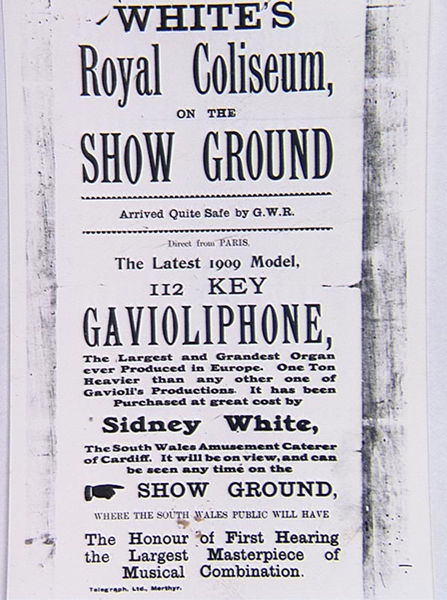 Preview |
Fairground Images: Poster for Sidney White's Coliseum
Shared with the World by Dr Matt Phillpott
Poster for Sidney White's Coliseum, photographed 1909.
This resource is the copyright of the National Fairground Archive, University of Sheffield (http://www.nfa.dept.shef.ac.uk/) and has been made available with their permission. Some rights reserved (see terms of licence by clicking on the CC licence logo below).
Shared with the World by Dr Matt Phillpott
![[img]](http://www.humbox.ac.uk//390/1/00310003.jpg)
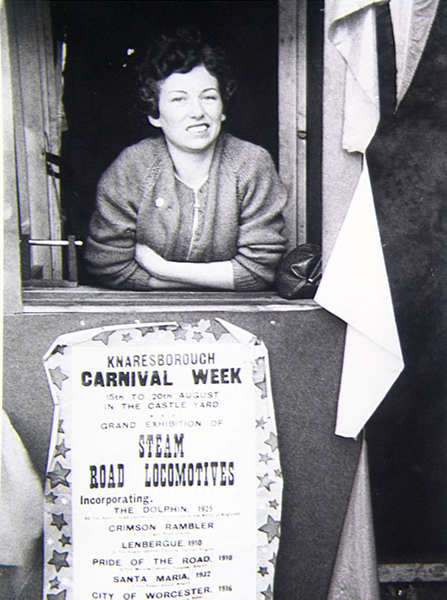 Preview |
Fairground Images: Publicity for Knaresborough Carnival Week
Shared with the World by Dr Matt Phillpott
Publicity for Knaresborough Carnival Week, photographed circa 1955.
This resource is the copyright of the National Fairground Archive, University of Sheffield (http://www.nfa.dept.shef.ac.uk/) and has been made available with their permission. Some rights reserved (see terms of licence by clicking on the CC licence logo below).
Shared with the World by Dr Matt Phillpott
![[img]](http://www.humbox.ac.uk//386/1/00040393.jpg)
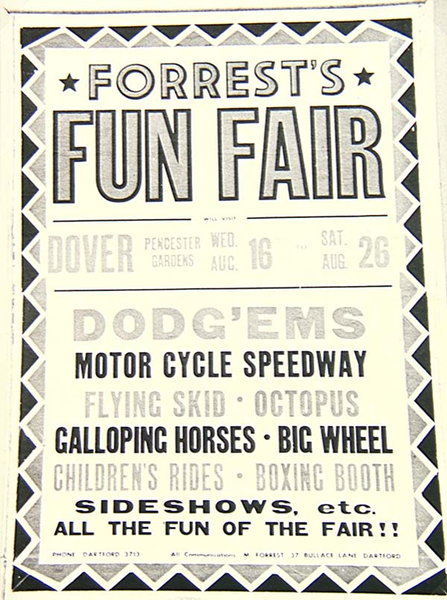 Preview |
Fairground Images: Publicity poster for Forrest's Fair
Shared with the World by Dr Matt Phillpott
Whole view of publicity poster for Forrest's Fair, photographed 16 August 1961.
This resource is the copyright of the National Fairground Archive, University of Sheffield (http://www.nfa.dept.shef.ac.uk/) and has been made available with their permission. Some rights reserved (see terms of licence by clicking on the CC licence logo below).
Shared with the World by Dr Matt Phillpott
![[img]](http://www.humbox.ac.uk//349/1/00200972.jpg)
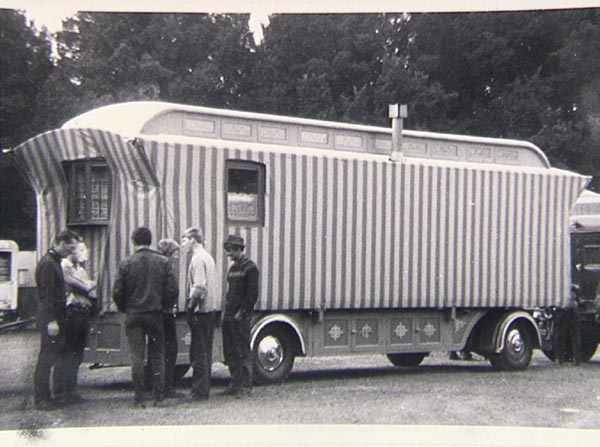 Preview |
Fairground Images: R. Edward's Living Wagon
Shared with the World by Dr Matt Phillpott
R. Edward's Living Wagon, photographed July 1966.
This resource is the copyright of the National Fairground Archive, University of Sheffield (http://www.nfa.dept.shef.ac.uk/) and has been made available with their permission. Some rights reserved (see terms of licence by clicking on the CC licence logo below).
Shared with the World by Dr Matt Phillpott
![[img]](http://www.humbox.ac.uk//395/1/00270616.jpg)
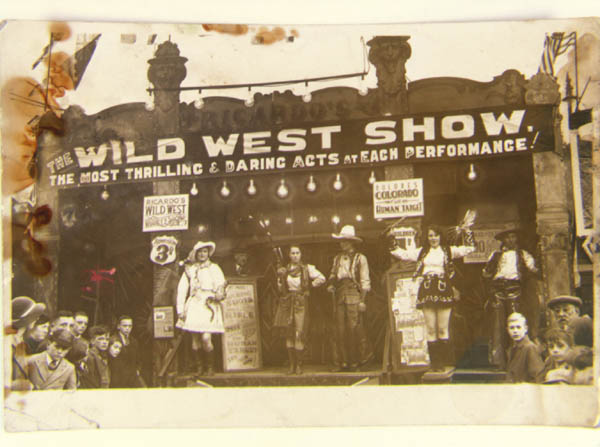 Preview |
Fairground Images: Richard and Laura Shufflebottom's Wild West Show
Shared with the World by Dr Matt Phillpott
Photograph of Richard and Laura Shufflebottom's Wild West Show, with Laura in white and Richard in the white stetson.
This resource is the copyright of the National Fairground Archive, University of Sheffield (http://www.nfa.dept.shef.ac.uk/) and has been made available with their permission. Some rights reserved (see terms of licence by clicking on the CC licence logo below).
Shared with the World by Dr Matt Phillpott
![[img]](http://www.humbox.ac.uk//346/1/00540535.jpg)
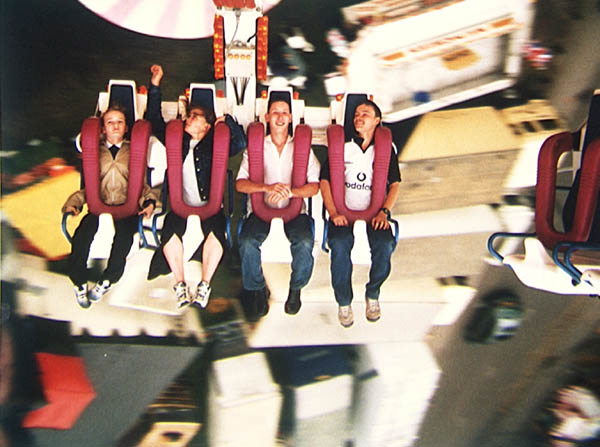 Preview |
Fairground Images: Riders on Willie Wilson's Chaos
Shared with the World by Dr Matt Phillpott
Riders on Willie Wilson's Chaos (afterburner) at Nottingham Goose Fair, photographed October 2001.
This resource is the copyright of the National Fairground Archive, University of Sheffield (http://www.nfa.dept.shef.ac.uk/) and has been made available with their permission. Some rights reserved (see terms of licence by clicking on the CC licence logo below).
Shared with the World by Dr Matt Phillpott
![[img]](http://www.humbox.ac.uk//412/1/00270013.jpg)
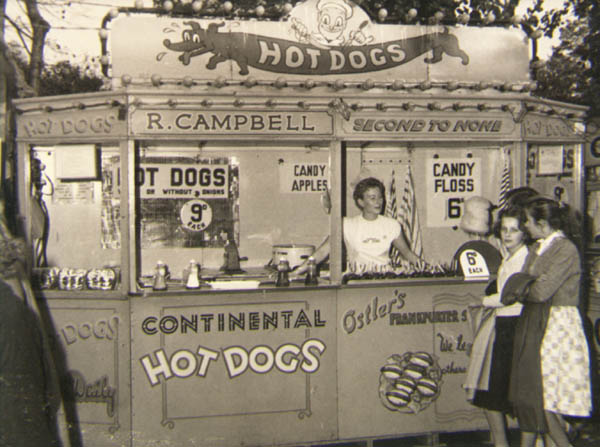 Preview |
Fairground Images: Robert Campbell's Hotdog and Candy Floss stand
Shared with the World by Dr Matt Phillpott
Photograph of Robert Campbell's Hotdog and Candy Floss stand with Florence Campbell inside.
This resource is the copyright of the National Fairground Archive, University of Sheffield (http://www.nfa.dept.shef.ac.uk/) and has been made available with their permission. Some rights reserved (see terms of licence by clicking on the CC licence logo below).
Shared with the World by Dr Matt Phillpott
![[img]](http://www.humbox.ac.uk//359/1/00490895.jpg)
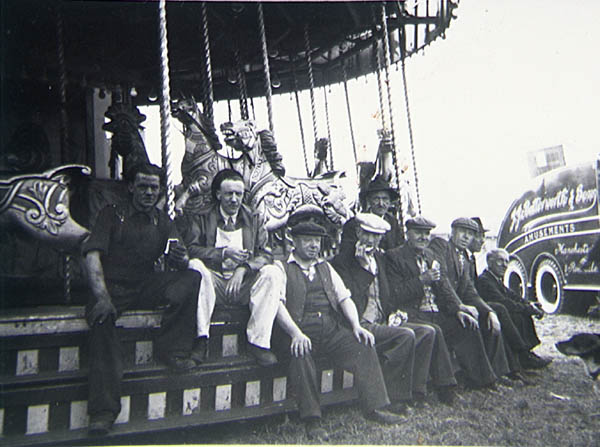 Preview |
Fairground Images: Showmen group
Shared with the World by Dr Matt Phillpott
Showmen group, Knutsford May Fair, photographed 4 May 1953.
This resource is the copyright of the National Fairground Archive, University of Sheffield (http://www.nfa.dept.shef.ac.uk/) and has been made available with their permission. Some rights reserved (see terms of licence by clicking on the CC licence logo below).
Shared with the World by Dr Matt Phillpott
![[img]](http://www.humbox.ac.uk//398/1/00170215.jpg)
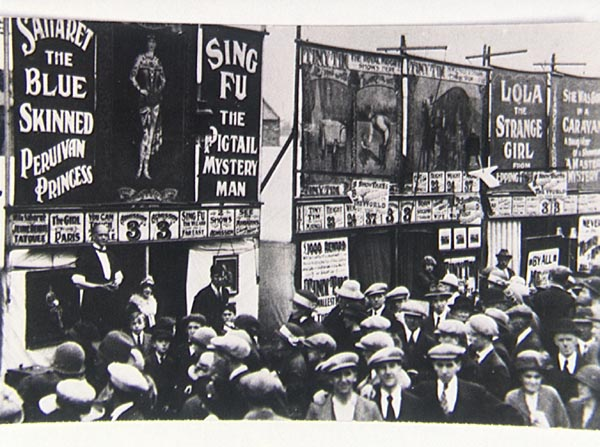 Preview |
Fairground Images: Shows at Barnstaple Fair
Shared with the World by Dr Matt Phillpott
Shows at Barnstaple Fair, circa 1933.
This resource is the copyright of the National Fairground Archive, University of Sheffield (http://www.nfa.dept.shef.ac.uk/) and has been made available with their permission. Some rights reserved (see terms of licence by clicking on the CC licence logo below).
Shared with the World by Dr Matt Phillpott
![[img]](http://www.humbox.ac.uk//414/1/00350437.jpg)
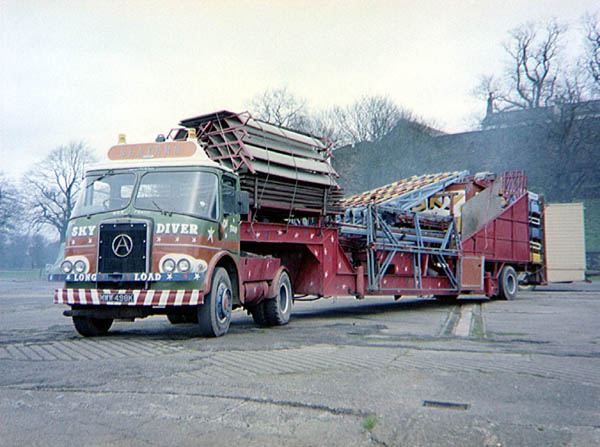 Preview |
Fairground Images: Slater's Atkinson tractor with Paratrooper load
Shared with the World by Dr Matt Phillpott
Slater's Atkinson tractor - registration MWW498K - with Paratrooper load, photographed April 1987.
This resource is the copyright of the National Fairground Archive, University of Sheffield (http://www.nfa.dept.shef.ac.uk/) and has been made available with their permission. Some rights reserved (see terms of licence by clicking on the CC licence logo below).
Shared with the World by Dr Matt Phillpott
![[img]](http://www.humbox.ac.uk//431/1/00351271.jpg)
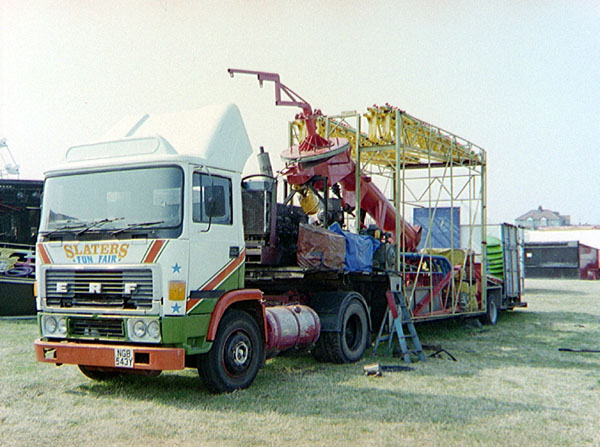 Preview |
Fairground Images: Slater's ERF artic
Shared with the World by Dr Matt Phillpott
Slater's ERF artic - registration NGB543Y - photographed August 1995.
This resource is the copyright of the National Fairground Archive, University of Sheffield (http://www.nfa.dept.shef.ac.uk/) and has been made available with their permission. Some rights reserved (see terms of licence by clicking on the CC licence logo below).
Shared with the World by Dr Matt Phillpott
![[img]](http://www.humbox.ac.uk//313/1/00470213.jpg)
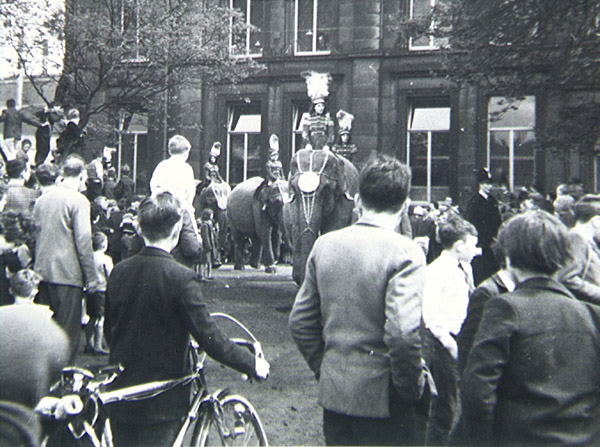 Preview |
Fairground Images: Smart's Circus elephant parade
Shared with the World by Dr Matt Phillpott
Smart's Circus elephant parade, photographed 20 May 1962.
This resource is the copyright of the National Fairground Archive, University of Sheffield (http://www.nfa.dept.shef.ac.uk/) and has been made available with their permission. Some rights reserved (see terms of licence by clicking on the CC licence logo below).
Shared with the World by Dr Matt Phillpott
![[img]](http://www.humbox.ac.uk//312/1/00470211.jpg)
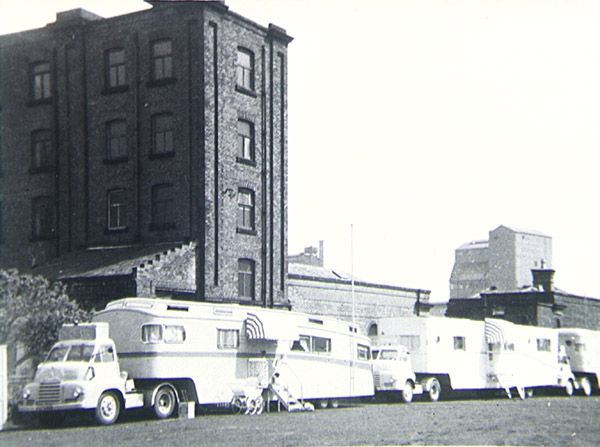 Preview |
Fairground Images: Smart's Royal Windsors
Shared with the World by Dr Matt Phillpott
Smart's Royal Windsors, photographed 20 May 1962.
This resource is the copyright of the National Fairground Archive, University of Sheffield (http://www.nfa.dept.shef.ac.uk/) and has been made available with their permission. Some rights reserved (see terms of licence by clicking on the CC licence logo below).
Shared with the World by Dr Matt Phillpott
![[img]](http://www.humbox.ac.uk//383/1/00050134.jpg)
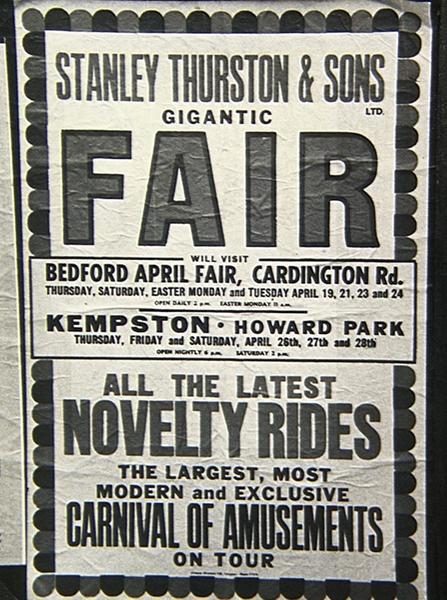 Preview |
Fairground Images: Stanley Thurston's Poster for the Fair
Shared with the World by Dr Matt Phillpott
Whole view of Stanley Thurston's Poster for the Fair, photograph taken on Cardington Road, Bedford Easter Fair, 20 April 1962.
This resource is the copyright of the National Fairground Archive, University of Sheffield (http://www.nfa.dept.shef.ac.uk/) and has been made available with their permission. Some rights reserved (see terms of licence by clicking on the CC licence logo below).
Shared with the World by Dr Matt Phillpott
![[img]](http://www.humbox.ac.uk//427/1/00470002.jpg)
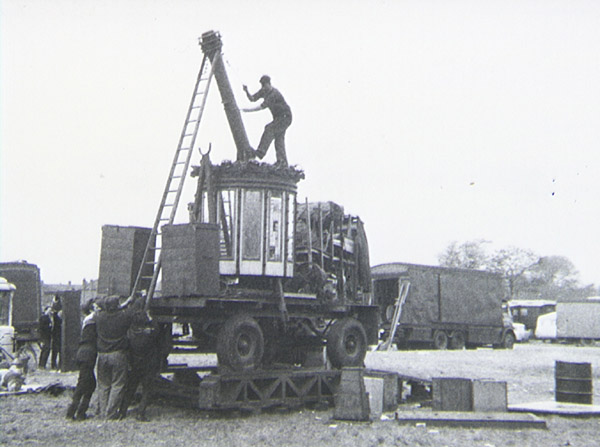 Preview |
Fairground Images: Stokes and Cowie's Gallopers centre
Shared with the World by Dr Matt Phillpott
Stokes and Cowie's Gallopers centre, Knutsford May Fair, photographed 7 May 1963.
This resource is the copyright of the National Fairground Archive, University of Sheffield (http://www.nfa.dept.shef.ac.uk/) and has been made available with their permission. Some rights reserved (see terms of licence by clicking on the CC licence logo below).
Shared with the World by Dr Matt Phillpott
![[img]](http://www.humbox.ac.uk//385/1/00050195.jpg)
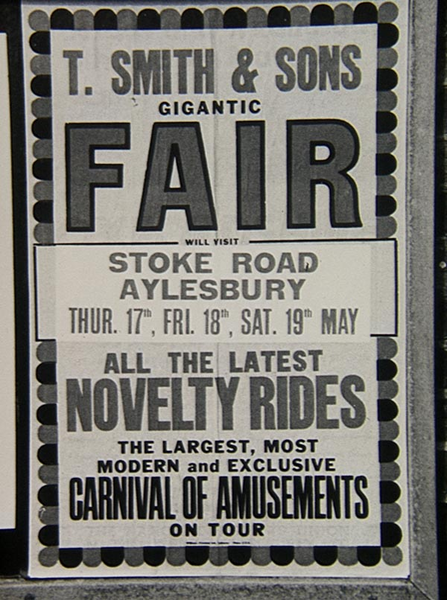 Preview |
Fairground Images: T. Smith's Poster, taken Aylesbury Station
Shared with the World by Dr Matt Phillpott
Whole view of T. Smith's Poster for Stoke Road Fair, photographed Aylesbury Station, 19 May 1962.
This resource is the copyright of the National Fairground Archive, University of Sheffield (http://www.nfa.dept.shef.ac.uk/) and has been made available with their permission. Some rights reserved (see terms of licence by clicking on the CC licence logo below).
Shared with the World by Dr Matt Phillpott
![[img]](http://www.humbox.ac.uk//317/1/00170179.jpg)
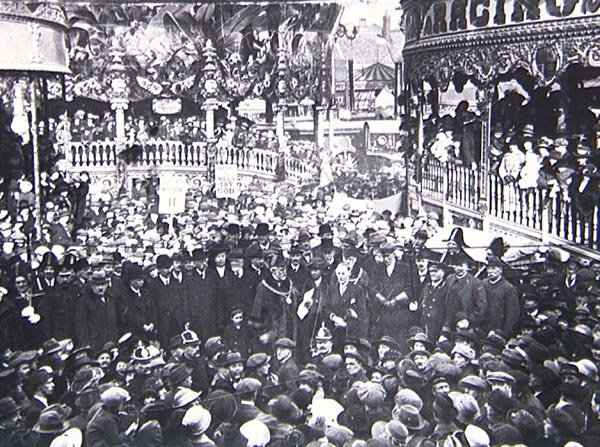 Preview |
Fairground Images: The opening of Kings Lynn Mart, 1922
Shared with the World by Dr Matt Phillpott
Photograph of the opening of Kings Lynn Mart, 1922.
This resource is the copyright of the National Fairground Archive, University of Sheffield (http://www.nfa.dept.shef.ac.uk/) and has been made available with their permission. Some rights reserved (see terms of licence by clicking on the CC licence logo below).
Shared with the World by Dr Matt Phillpott
![[img]](http://www.humbox.ac.uk//288/1/00270622.jpg)
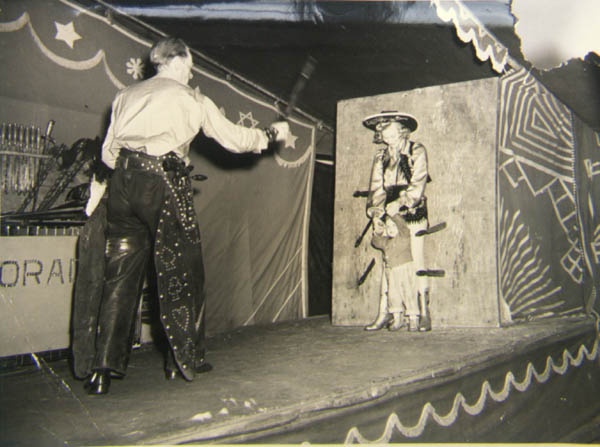 Preview |
![[img]](http://www.humbox.ac.uk//288/2/00270623.jpg)
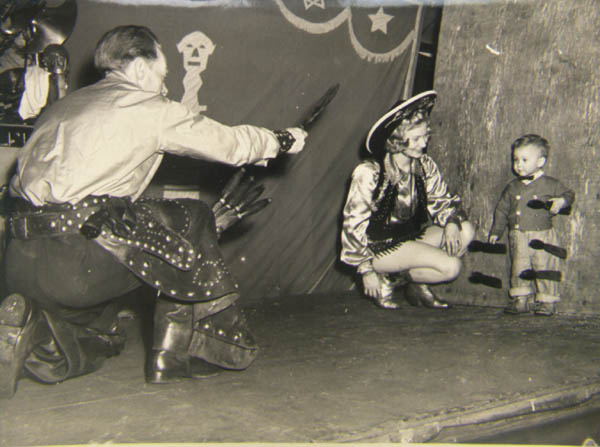 Preview |
Fairground Images: Two Photographs of Richard Shufflebottom, daughter Florence and her son Garry
Shared with the World by Dr Matt Phillpott
Two Photographs of Richard Shufflebottom, daughter Florence and her son Garry. Location is a guess.
This resource is the copyright of the National Fairground Archive, University of Sheffield (http://www.nfa.dept.shef.ac.uk/) and has been made available with their permission. Some rights reserved (see terms of licence by clicking on the CC licence logo below).
Shared with the World by Dr Matt Phillpott
![[img]](http://www.humbox.ac.uk//326/1/00480248.jpg)
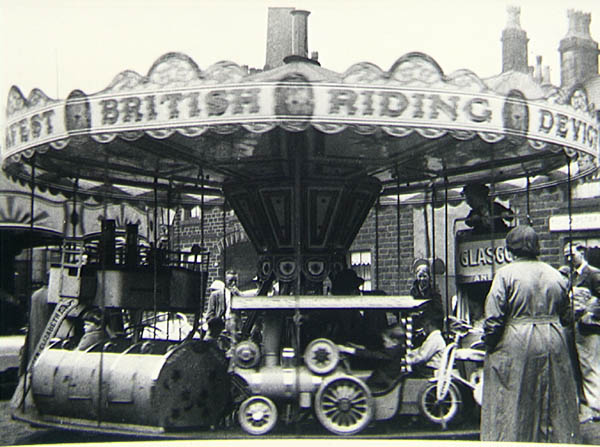 Preview |
Fairground Images: W. A. Swift's Juvenile
Shared with the World by Dr Matt Phillpott
W. A. Swift's Juvenile, photographed 14 July 1941.
This resource is the copyright of the National Fairground Archive, University of Sheffield (http://www.nfa.dept.shef.ac.uk/) and has been made available with their permission. Some rights reserved (see terms of licence by clicking on the CC licence logo below).
Shared with the World by Dr Matt Phillpott
![[img]](http://www.humbox.ac.uk//350/1/00070201.jpg)
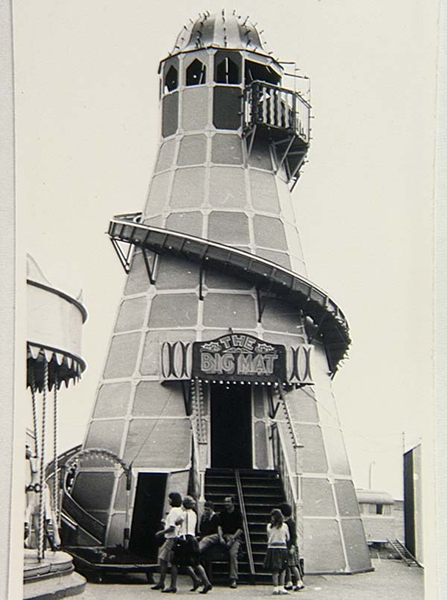 Preview |
Fairground Images: W. Thompson's Lighthouse Slip
Shared with the World by Dr Matt Phillpott
Whole view of W. Thompson's Lighthouse Slip, photographed 12 June 1965.
This resource is the copyright of the National Fairground Archive, University of Sheffield (http://www.nfa.dept.shef.ac.uk/) and has been made available with their permission. Some rights reserved (see terms of licence by clicking on the CC licence logo below).
Shared with the World by Dr Matt Phillpott
![[img]](http://www.humbox.ac.uk//290/1/00480818.jpg)
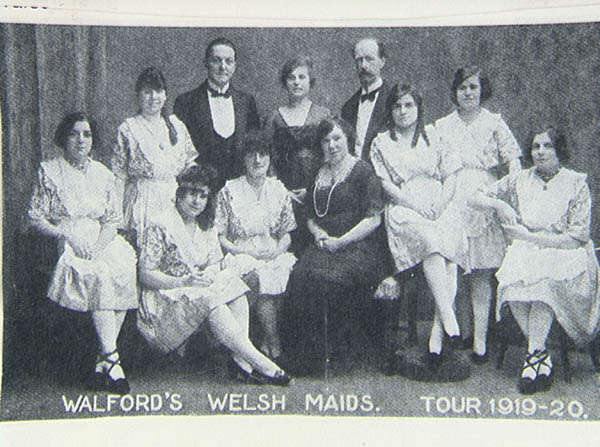 Preview |
Fairground Images: Walford's Welsh Maids
Shared with the World by Dr Matt Phillpott
Walford's Welsh Maids, photographed 1929
This resource is the copyright of the National Fairground Archive, University of Sheffield (http://www.nfa.dept.shef.ac.uk/) and has been made available with their permission. Some rights reserved (see terms of licence by clicking on the CC licence logo below).
Shared with the World by Dr Matt Phillpott
![[img]](http://www.humbox.ac.uk//320/1/00440656.jpg)
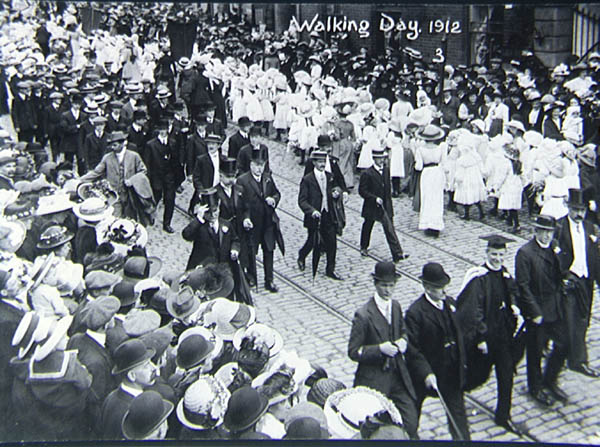 Preview |
Fairground Images: Warrington Walking Day
Shared with the World by Dr Matt Phillpott
Warrington Walking Day, photographed 1912.
This resource is the copyright of the National Fairground Archive, University of Sheffield (http://www.nfa.dept.shef.ac.uk/) and has been made available with their permission. Some rights reserved (see terms of licence by clicking on the CC licence logo below).
Shared with the World by Dr Matt Phillpott
![[img]](http://www.humbox.ac.uk//356/1/00370103.jpg)
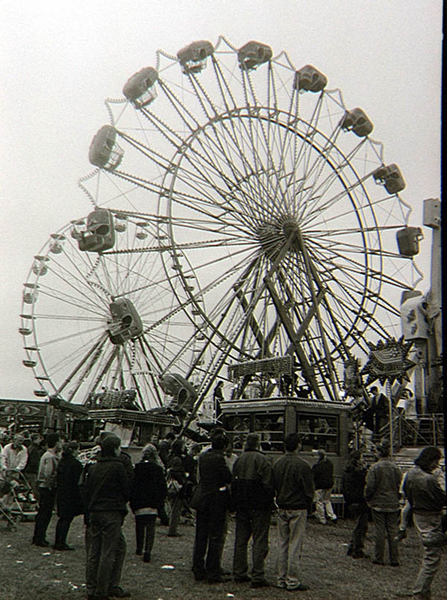 Preview |
Fairground Images: William Summers' Skydiver
Shared with the World by Dr Matt Phillpott
William Summers' Skydiver, Newcastle Town Moor Fair, photographed 1995.
This resource is the copyright of the National Fairground Archive, University of Sheffield (http://www.nfa.dept.shef.ac.uk/) and has been made available with their permission. Some rights reserved (see terms of licence by clicking on the CC licence logo below).
Shared with the World by Dr Matt Phillpott
Preview |
Famous People Born in Latvia
Shared with the World by Ms Claire Monaghan
Powerpoint presentation - A brief introduction to famous people born in Latvia.
This presentation can be used for culture and language classes. It was originally used to make role cards to practise introducing oneself.
Shared with the World by Ms Claire Monaghan
![[img]](http://www.humbox.ac.uk//729/1/HPHI_014_-1.jpg)
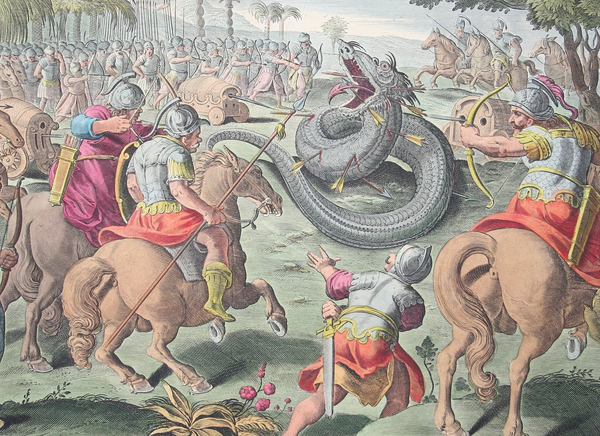 Preview |
![[img]](http://www.humbox.ac.uk//729/2/HPHI_014_-2.jpg)
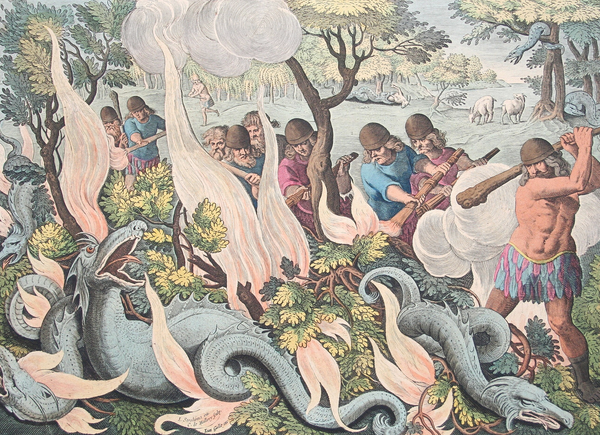 Preview |
Fantastic Beasts: Dragons
Shared with the World by Dr Matt Phillpott
Drawings of dragons by the Flanders-born mannerist artist Giovanni Stradanus (1630). The original copy of these images can be found at the Roderic Bowen Library and Archives, University of Wales Lampeter.
Shared with the World by Dr Matt Phillpott
![[img]](http://www.humbox.ac.uk//728/1/PHI_00359-1.jpg)
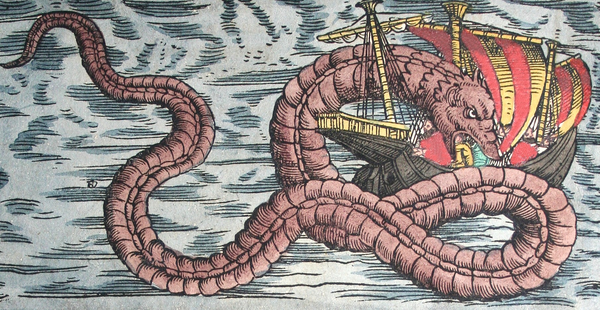 Preview |
![[img]](http://www.humbox.ac.uk//728/2/PHI_00359-2.jpg)
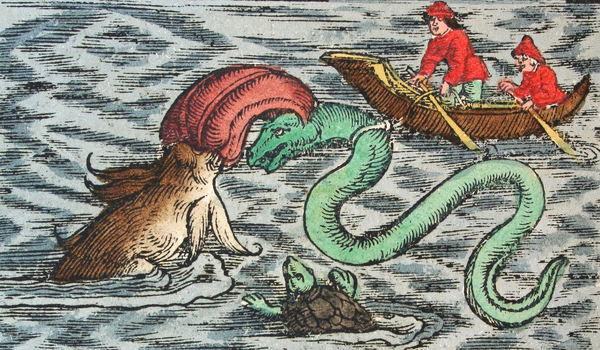 Preview |
Fantastic Beasts: Sea Monsters
Shared with the World by Dr Matt Phillpott
Images of imaginary sea monsters drawn by the Swiss naturalist and bibliographer Konrad Gesner (1575). The original copy of these images can be found at the Roderic Bowen Library and Archives, University of Wales Lampeter.
Shared with the World by Dr Matt Phillpott
France in Africa
Shared with the World by Prof Tony Chafer
A selection of resources built around the theme of the French presence in Africa
Shared with the World by Prof Tony Chafer
France in Sub-Sahara Africa
Shared with the World by Mr Emmanuel Godin
This collection contains original documents, academic texts and bibliographical references related to France and in its former Sub-Sahara African colonies.
Shared with the World by Mr Emmanuel Godin
Preview |
Freemasonry Lecture: 'Hewing the Rough Stone: Masonic Influence in Peter the Great's Russia, 1689-1725' by Robert Collis
Shared with the World by Dr Matt Phillpott
This lecture assesses the importance of Masonic ideas and symbolism in Petrine Russia. It will be argued that Peter the Great (1672-1725) absorbed elements of a Masonic worldview. Lecture given by Robert Collis on 5 March 2009 for the Centre for Research into Freemasonry and Fraternalism. This lecture is provided as both a podcast and as a written document.
Shared with the World by Dr Matt Phillpott
Preview |
Freemasonry Lecture: 'The first masonic lodges in late Ottoman Syria' by Dorothe Sommer
Shared with the World by Dr Matt Phillpott
A lecture that deals with the first provable masonic lodges mainly in Beirut at the end of the 19th and start of the 20th Century. Given by Dorothe Sommer for the Centre for Research into Freemasonry and Fraternalism on 16 October 2008.
Shared with the World by Dr Matt Phillpott
Preview |
Freemasonry Lecture: 'When Armenians built Auschwitz: notes on late Ottoman Freemasonry and genocide' by Ugur Ungor
Shared with the World by Dr Matt Phillpott
The triumph of nationalism destroyed the multi-ethnic Ottoman political and social order and replaced it by nation-states. Many explanations attributed the mass violence to a devious conspiracy between (crypto-) Jews, Freemasons, and Turks against Greeks and Armenians. Ugur Ungor argues that these pseudo-explanations are a product of two processes: one of competition between victim groups, and another of intellectual secularization. Lecture given 13 November 2008 for the Centre for Research into Freemasonry and Fraternalism.
Shared with the World by Dr Matt Phillpott
Freemasonry and Fraternalism Lectures
Shared with the World by Dr Matt Phillpott
A series of podcasts of lectures given during the 2008/2009 session at the University of Sheffield for the Centre for Research into Freemasonry and Fraternalism.
Shared with the World by Dr Matt Phillpott
![[img]](http://www.humbox.ac.uk//998/1/Restif_de_La_Bretonne-phi_00120-05-C%27est_un_Fils%2C_Monsieur%21.jpg)
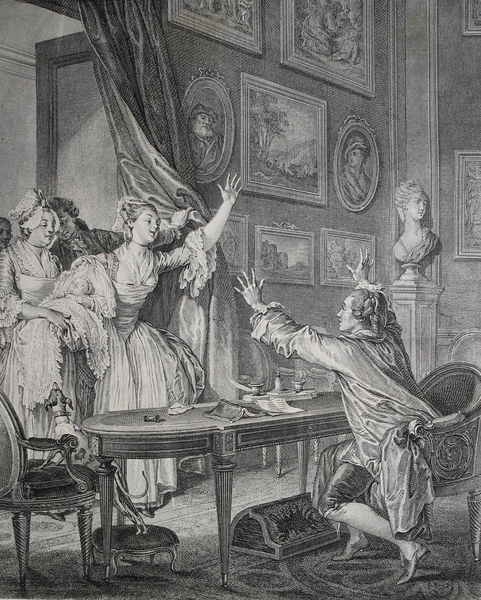 Preview |
French Costume: C'est un Fils, Monsieur!
Shared with the World by Dr Matt Phillpott
Image of Eighteenth Century French Costume: C'est un Fils, Monsieur! Drawn by Jean Michel Moreau for his Restif De La Bretonne. The original copy of this image can be found at the Roderic Bowen Library and Archives, University of Wales Lampeter.
Shared with the World by Dr Matt Phillpott
![[img]](http://www.humbox.ac.uk//994/1/Restif_de_La_Bretonne-phi_00120-01-Declaration_de__la_Grosse.jpg)
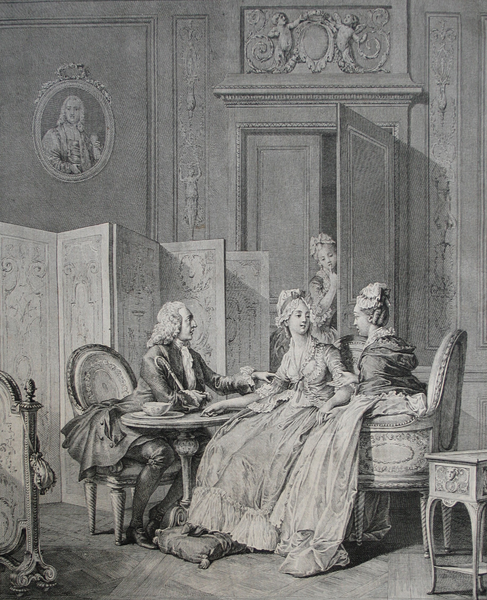 Preview |
French Costume: Declaration de la Grossesse
Shared with the World by Dr Matt Phillpott
Image of Eighteenth Century French Costume: 'Declaration de la Grossesse'. Drawn by Jean Michel Moreau with accompanying text by Restif de la Bretonne. The original copy of this image can be found at the Roderic Bowen Library and Archives, University of Wales Lampeter.
Shared with the World by Dr Matt Phillpott
![[img]](http://www.humbox.ac.uk//996/1/Restif_de_La_Bretonne-phi_00120-03-J%27en_Accepte_L%27Heureux_Pr.jpg)
 Preview |
French Costume: J'en Accepte L'Heureux Presage
Shared with the World by Dr Matt Phillpott
Image of Eighteenth Century French Costume: J'en Accepte L'Heureux Presage. Drawn by Jean Michel Moreau for his Restif de la Bretonne. The original copy of this image can be found at the Roderic Bowen Library and Archives, University of Wales Lampeter.
Shared with the World by Dr Matt Phillpott
![[img]](http://www.humbox.ac.uk//1001/1/Restif_de_La_Bretonne-phi_00120-08-L%27accord_Parfait.jpg)
 Preview |
French Costume: L'accord Parfait
Shared with the World by Dr Matt Phillpott
Image of Eighteenth Century French Costume: L'accord Parfait. Drawn by Jean Michel Moreau for his Restif de La Bretonne. The original copy of this image can be found at the Roderic Bowen Library and Archives, University of Wales Lampeter.
Shared with the World by Dr Matt Phillpott
![[img]](http://www.humbox.ac.uk//1016/1/Restif_de_La_Bretonne-phi_00120-17-La_Course_des_Chaveaux.jpg)
 Preview |
French Costume: La Course des Chaveaux
Shared with the World by Dr Matt Phillpott
Image of Eighteenth Century French Costume: La Course des Chaveaux. Drawn by Jean Michel Moreau for his Restif de La Bretonne. The original copy of this image can be found at the Roderic Bowen Library and Archives, University of Wales Lampeter.
Shared with the World by Dr Matt Phillpott
![[img]](http://www.humbox.ac.uk//1008/1/Restif_de_La_Bretonne-phi_00120-12-La_Dame_du_Palais_de_la_R.jpg)
 Preview |
French Costume: La Dame du Palais de la Rein
Shared with the World by Dr Matt Phillpott
Image of Eighteenth Century French Costume: La Dame du Palais de la Rein. Drawn by Jean Michel Moreau for his Restif de La Bretonne. The original copy of this image can be found at the Roderic Bowen Library and Archives, University of Wales Lampeter.
Shared with the World by Dr Matt Phillpott
![[img]](http://www.humbox.ac.uk//1025/1/Restif_de_La_Bretonne-phi_00120-21-La_Petite_Loge.jpg)
 Preview |
French Costume: La Petite Loge
Shared with the World by Dr Matt Phillpott
Image of Eighteenth Century French Costume: La Petite Loge. Drawn by Jean Michel Moreau for his Restif de La Bretonne. The original copy of this image can be found at the Roderic Bowen Library and Archives, University of Wales Lampeter.
Shared with the World by Dr Matt Phillpott
![[img]](http://www.humbox.ac.uk//1006/1/Restif_de_La_Bretonne-phi_00120-11-La_Reconotre_au_Bois_de_B.jpg)
 Preview |
French Costume: La Reconotre au Bois de Boulogne
Shared with the World by Dr Matt Phillpott
Image of Eighteenth Century French Costume: La Reconotre au Bois de Boulogne. Drawn by Jean Michel Moreau for his Restif de La Bretonne. The original copy of this image can be found at the Roderic Bowen Library and Archives, University of Wales Lampeter.
Shared with the World by Dr Matt Phillpott
![[img]](http://www.humbox.ac.uk//1027/1/Restif_de_La_Bretonne-phi_00120-23-La_Sortie_de_L%27Opera.jpg)
 Preview |
French Costume: La Sortie de L'Opera
Shared with the World by Dr Matt Phillpott
Image of Eighteenth Century French Costume: La Sortie de L'Opera. Drawn by Jean Michel Moreau for his Restif de La Bretonne. The original copy of this image can be found at the Roderic Bowen Library and Archives, University of Wales Lampeter.
Shared with the World by Dr Matt Phillpott
![[img]](http://www.humbox.ac.uk//1026/1/Restif_de_La_Bretonne-phi_00120-22-La_Surprise.jpg)
 Preview |
French Costume: La Surprise
Shared with the World by Dr Matt Phillpott
Image of Eighteenth Century French Costume: La Surprise. Drawn by Jean Michel Moreau for his Restif de La Bretonne. The original copy of this image can be found at the Roderic Bowen Library and Archives, University of Wales Lampeter.
Shared with the World by Dr Matt Phillpott
![[img]](http://www.humbox.ac.uk//1012/1/Restif_de_La_Bretonne-phi_00120-15-La_Grande_Toilette.jpg)
 Preview |
French Costume: Le Grande Toilette
Shared with the World by Dr Matt Phillpott
Image of Eighteenth Century French Costume: La Grande Toilette. Drawn by Jean Michel Moreau for his Restif de La Bretonne. The original copy of this image can be found at the Roderic Bowen Library and Archives, University of Wales Lampeter.
Shared with the World by Dr Matt Phillpott
![[img]](http://www.humbox.ac.uk//1009/1/Restif_de_La_Bretonne-phi_00120-13-Le_Lever.jpg)
 Preview |
French Costume: Le Lever
Shared with the World by Dr Matt Phillpott
Image of Eighteenth Century French Costume: Le Lever. Drawn by Jean Michel Moreau for his Restif de La Bretonne. The original copy of this image can be found at the Roderic Bowen Library and Archives, University of Wales Lampeter.
Shared with the World by Dr Matt Phillpott
![[img]](http://www.humbox.ac.uk//1014/1/Restif_de_La_Bretonne-phi_00120-16-Le_Matinee.jpg)
 Preview |
French Costume: Le Matinee
Shared with the World by Dr Matt Phillpott
Image of Eighteenth Century French Costume: Le Matinee. Drawn by Jean Michel Moreau for his Restif de La Bretonne. The original copy of this image can be found at the Roderic Bowen Library and Archives, University of Wales Lampeter.
Shared with the World by Dr Matt Phillpott
![[img]](http://www.humbox.ac.uk//1017/1/Restif_de_La_Bretonne-phi_00120-18-Le_pari_gagne.jpg)
 Preview |
French Costume: Le Pari gagne
Shared with the World by Dr Matt Phillpott
Image of Eighteenth Century French Costume: Le Pari gagne. Drawn by Jean Michel Moreau for his Restif de La Bretonne.
Shared with the World by Dr Matt Phillpott
![[img]](http://www.humbox.ac.uk//1018/1/Restif_de_La_Bretonne-phi_00120-19-Le_Partie_de_Wisch.jpg)
 Preview |
French Costume: Le Partie de Wisch
Shared with the World by Dr Matt Phillpott
Image of Eighteenth Century French Costume: Le Partie de Wisch. Drawn by Jean Michel Moreau for his Restif de La Bretonne. The original copy of this image can be found at the Roderic Bowen Library and Archives, University of Wales Lampeter.
Shared with the World by Dr Matt Phillpott
![[img]](http://www.humbox.ac.uk//1010/1/Restif_de_La_Bretonne-phi_00120-14-Le_Petite_Toilette.jpg)
 Preview |
French Costume: Le Petite Toilette
Shared with the World by Dr Matt Phillpott
Image of Eighteenth Century French Costume: Le Petite Toilette. Drawn by Jean Michel Moreau for his Restif de La Bretonne. The original copy of this image can be found at the Roderic Bowen Library and Archives, University of Wales Lampeter.
Shared with the World by Dr Matt Phillpott
![[img]](http://www.humbox.ac.uk//1002/1/Restif_de_La_Bretonne-phi_00120-09-Le_Rendez-vous_pour_Marly.jpg)
 Preview |
French Costume: Le Rendez-vous pour Marly
Shared with the World by Dr Matt Phillpott
Image of Eighteenth Century French Costume: Le Rendez-vous pour Marly. Drawn by Jean Michel Moreau for his Restif de La Bretonne. The original copy of this image can be found at the Roderic Bowen Library and Archives, University of Wales Lampeter.
Shared with the World by Dr Matt Phillpott
![[img]](http://www.humbox.ac.uk//1029/1/Restif_de_La_Bretonne-phi_00120-25-Le_Seigneur_chez_son_ferm.jpg)
 Preview |
French Costume: Le Seigneur chez son fermier
Shared with the World by Dr Matt Phillpott
Image of Eighteenth Century French Costume: Le Seigneur Chez son fermier. Drawn by Jean Michel Moreau for his Restif de La Bretonne. The original copy of this image can be found at the Roderic Bowen Library and Archives, University of Wales Lampeter.
Shared with the World by Dr Matt Phillpott
![[img]](http://www.humbox.ac.uk//1028/1/Restif_de_La_Bretonne-phi_00120-24-Le_Souper_Fin.jpg)
 Preview |
French Costume: Le Souper Fin
Shared with the World by Dr Matt Phillpott
Image of Eighteenth Century French Costume: Le Souper Fin. Drawn by Jean Michel Moreau for his Restif de La Bretonne. The original copy of this image can be found at the Roderic Bowen Library and Archives, University of Wales Lampeter.
Shared with the World by Dr Matt Phillpott
![[img]](http://www.humbox.ac.uk//1030/1/Restif_de_La_Bretonne-phi_00120-26-Le_Vrai_Bonheur.jpg)
 Preview |
French Costume: Le Vrai Bonheur
Shared with the World by Dr Matt Phillpott
Image of Eighteenth Century French Costume: Le Vrai Bonheur. Drawn by Jean Michel Moreau for his Restif de La Bretonne. The original copy of this image can be found at the Roderic Bowen Library and Archives, University of Wales Lampeter.
Shared with the World by Dr Matt Phillpott
![[img]](http://www.humbox.ac.uk//1000/1/Restif_de_La_Bretonne-phi_00120-07-Les_Delices_de_la_Materni.jpg)
 Preview |
French Costume: Les Delices de la Maternite
Shared with the World by Dr Matt Phillpott
Image of Eighteenth Century French Costume: Les Delices de la Maternite. Drawn by Jean Michel Moreau for his Restif de La Bretonne. The original copy of this image can be found at the Roderic Bowen Library and Archives, University of Wales Lampeter.
Shared with the World by Dr Matt Phillpott
![[img]](http://www.humbox.ac.uk//999/1/Restif_de_La_Bretonne-phi_00120-06-Les_Petits_Parains.jpg)
 Preview |
French Costume: Les Petits Parains
Shared with the World by Dr Matt Phillpott
Image of Eighteenth Century French Costume: Les Petits Parains. Drawn by Jean Michel Moreau for his Restif de La Bretonne. The original copy of this image can be found at the Roderic Bowen Library and Archives, University of Wales Lampeter.
Shared with the World by Dr Matt Phillpott
![[img]](http://www.humbox.ac.uk//995/1/Restif_de_La_Bretonne-phi_00120-02-Les_Precautions.jpg)
 Preview |
French Costume: Les Precautions
Shared with the World by Dr Matt Phillpott
Image of Eighteenth Century French Costume: Les Precautions. Drawn by Jean Michel Moreau for his Restif de La Bretonne. The original copy of this image can be found at the Roderic Bowen Library and Archives, University of Wales Lampeter.
Shared with the World by Dr Matt Phillpott
![[img]](http://www.humbox.ac.uk//1003/1/Restif_de_La_Bretonne-ph_00120-10-Les__adieux.jpg)
 Preview |
French Costume: Les adieux
Shared with the World by Dr Matt Phillpott
Image of Eighteenth Century French Costume: Les adieux. Drawn by Jean Michel Moreau for his Restif de La Bretonne. The original copy of this image can be found at the Roderic Bowen Library and Archives, University of Wales Lampeter.
Shared with the World by Dr Matt Phillpott
![[img]](http://www.humbox.ac.uk//997/1/Restif_de_La_Bretonne-phi_00120-04-N%27ayez_Pas_Peur%2C_Ma_Bonne.jpg)
 Preview |
French Costume: N'ayez Pas Peur, Ma Bonne Amie
Shared with the World by Dr Matt Phillpott
Image of Eighteenth Century French Costume: N'ayez Pas Peur, Ma Bonne Amie. Drawn by Jean Michel Moreau for his Restif de La Bretonne. The original copy of this image can be found at the Roderic Bowen Library and Archives, University of Wales Lampeter.
Shared with the World by Dr Matt Phillpott
![[img]](http://www.humbox.ac.uk//1024/1/Restif_de_La_Bretonne-phi_00120-20-Qui_ou_Non.jpg)
 Preview |
French Costume: Qui ou Non
Shared with the World by Dr Matt Phillpott
Images of Eighteenth Century French Costume: Qui ou Non. Drawn by Jean Michel Moreau for his Restif de La Bretonne. The original copy of this image can be found at the Roderic Bowen Library and Archives, University of Wales Lampeter.
Shared with the World by Dr Matt Phillpott
Preview |
Preview |
French Revolution Bingo
Shared with the World by Isobel Brooks
An ice-breaker activity intended to question assumptions and stimulate discussion.
Learners write down four things they associate with the French Revolution on a bingo card. The activity is designed so that those they are less likely to think of, such as the Declaration of the Rights of Man and Citizen, are 'called' before the more obvious ones (e.g. the guillotine).
Contents: two slide powerpoint, bingo cards and rules.
Shared with the World by Isobel Brooks
Gendered Lives at work in early America
Shared with the World by Mrs Lisa Lavender
An Early American Social History audio-lecture on issues of gendeer in the work environment
Shared with the World by Mrs Lisa Lavender
Gendered lives at home in early America
Shared with the World by Mrs Lisa Lavender
An Early American Social History audio-lecture on domesticity and gendered lives at home
Shared with the World by Mrs Lisa Lavender
Georgian Britain - consumerism
Shared with the World by Mrs Lisa Lavender
A podcast lecture summary on Georgian Britain: luxury goods, consumerism and colonial commodities
Shared with the World by Mrs Lisa Lavender
Georgian Britain - enlightenment
Shared with the World by Mrs Lisa Lavender
A podcast lecture summary on Georgian Britain: Enlightenment and scientific culture
Shared with the World by Mrs Lisa Lavender
Georgian Britain - gender
Shared with the World by Mrs Lisa Lavender
A podcast lecture summary on Georgian Britain: a discussion on gender
Shared with the World by Mrs Lisa Lavender
Georgian Britain - imperial identities
Shared with the World by Mrs Lisa Lavender
A podcast lecture summary on Georgian Britain: imperial identities, the 'first British Empire'.
Shared with the World by Mrs Lisa Lavender
Georgian Britain - patrician and plebeian
Shared with the World by Mrs Lisa Lavender
A podcast lecture summary on Georgian Britain: patrician and plebeian
Shared with the World by Mrs Lisa Lavender
Georgian Britain - political identity
Shared with the World by Mrs Lisa Lavender
A podcast lecture summary on Georgian Britain: political identity and popular protest - Whigs, Jacobitism, Excise Crisis.
Shared with the World by Mrs Lisa Lavender
Georgian Britain - print culture
Shared with the World by Mrs Lisa Lavender
A podcast lecture on Georgian Britain: the print culture
Shared with the World by Mrs Lisa Lavender
Georgian Britain - radicalism
Shared with the World by Mrs Lisa Lavender
A podcast lecture summary on Georgian Britain: radicalism and reactions to the French Revolution
Shared with the World by Mrs Lisa Lavender
Georgian Britain - slavery and abolition
Shared with the World by Mrs Lisa Lavender
A podcast lecture summary on Georgian Britain: slavery and abolition
Shared with the World by Mrs Lisa Lavender
Georgian Britain - the second British Empire
Shared with the World by Mrs Lisa Lavender
A podcast lecture summary on Georgian Britain: the 'second British Empire'
Shared with the World by Mrs Lisa Lavender
Georgian Britain - the electoral system
Shared with the World by Mrs Lisa Lavender
A podcast lecture summary on Georgian Britain: the electoral system
Shared with the World by Mrs Lisa Lavender
Georgian Britain - the napoleonic wars
Shared with the World by Mrs Lisa Lavender
A podcast lecture summary on Georgian Britain: the domestic impact of the Napoleonic Wars
Shared with the World by Mrs Lisa Lavender
Georgian Britain - the public and the private
Shared with the World by Mrs Lisa Lavender
A podcast lecture summary on Georgian Britain: the public and the private.
Shared with the World by Mrs Lisa Lavender
Georgian Britain - war and state formation
Shared with the World by Mrs Lisa Lavender
A podcast lecture summary on Georgian Britain:war and state formation
Shared with the World by Mrs Lisa Lavender
Georgian Britain, religious identity
Shared with the World by Mrs Lisa Lavender
A podcast lecture summary on Georgian Britain: religious identity - anti-Catholicism, the Church of England and dissent
Shared with the World by Mrs Lisa Lavender
Georgian Britain, the 17th century legacy
Shared with the World by Mrs Lisa Lavender
A podcast lecture summary on Georgian Britain: the seventeenth century legacy and the uses of the past.
Shared with the World by Mrs Lisa Lavender
Preview |
Ghosts, Witches and Portents in Early Modern Eruope: Seminar 2.11: Astrology's Contested Role
Shared with the World by Dr Matt Phillpott
This seminar explores the contested role of Astrology in early-modern Europe.
Shared with the World by Dr Matt Phillpott
Preview |
Ghosts, Witches and Portents in Early Modern Eruope: Seminar 2.13: Prophecy and the Millennium: The World Turned Upside Down
Shared with the World by Dr Matt Phillpott
This seminar examines Millenarianism.
Shared with the World by Dr Matt Phillpott
Ghosts, Witches and Portents in Early Modern Europe
Shared with the World by Dr Matt Phillpott
All materials prepared for the special subject module: Ghosts, Witches and Portents in Early Modern Europe. Produced in 2008-09.
Shared with the World by Dr Matt Phillpott
Ghosts, Witches and Portents in Early Modern Europe - Semester 1
Shared with the World by Dr Matt Phillpott
A collection of seminar descriptions, with bibliographies and topic summaries prepared for the Special Subject module: Ghosts, Witches and Portents in Early Modern Europe. This module ran at the Department of History, University of Sheffield.
Shared with the World by Dr Matt Phillpott
Ghosts, Witches and Portents in Early Modern Europe - Semester 2
Shared with the World by Dr Matt Phillpott
A collection of seminar sheets with bibliographies and topic summaries prepared for the Special Subject module: Ghosts, Witches and Portents in Early Modern Europe. This module ran at the Department of History, University of Sheffield.
Shared with the World by Dr Matt Phillpott
Ghosts, Witches and Portents in Early Modern Europe Essay Bibliographies
Shared with the World by Dr Matt Phillpott
Collection of essay questions and bibliographies prepared for the special subject module: Ghosts, Witches and Portents in Early Modern Europe. Produced 2008-09.
Shared with the World by Dr Matt Phillpott
Preview |
Ghosts, Witches and Portents in Early Modern Europe: Essay Bibliography Q 1.1
Shared with the World by Dr Matt Phillpott
Bibliography for essay: What sources enable historians to evaluate what constituted a 'good death' and 'bad death' in the wake of the reformation?
Prepared for the special subject module: Ghosts, Witches and Portents in Early Modern Europe.
Shared with the World by Dr Matt Phillpott
Preview |
Ghosts, Witches and Portents in Early Modern Europe: Essay Bibliography Q 1.10
Shared with the World by Dr Matt Phillpott
Bibliography for essay: Evaluate from the sources you have examined the ways in which the scientific movement changed attitudes to evidence about the natural world.
Prepared for the special subject module: Ghosts, Witches and Portents in Early Modern Europe.
Shared with the World by Dr Matt Phillpott
Preview |
Ghosts, Witches and Portents in Early Modern Europe: Essay Bibliography Q 1.11
Shared with the World by Dr Matt Phillpott
Bibliography for essay: What, on the basis of the evidence you have examined, explains the gendered nature of witchcraft belief and prosecution?
Prepared for the special subject module: Ghosts, Witches and Portents in Early Modern Europe.
Shared with the World by Dr Matt Phillpott
Preview |
Ghosts, Witches and Portents in Early Modern Europe: Essay Bibliography Q 1.12
Shared with the World by Dr Matt Phillpott
Bibliography for essay: Evaluate the evidence for change and continuity of widespread beliefs about portents in the sixteenth and seventeenth centuries.
Prepared for the special subject module: Ghosts, Witches and Portents in Early Modern Europe.
Shared with the World by Dr Matt Phillpott
Preview |
Ghosts, Witches and Portents in Early Modern Europe: Essay Bibliography Q 1.2
Shared with the World by Dr Matt Phillpott
Bibliography for essay: What sorts of evidence most impressed judges when they considered the fate those being prosecuted for witchcraft, and why?
Prepared for the special subject module: Ghosts, Witches and Portents in Early Modern Europe.
Shared with the World by Dr Matt Phillpott
Preview |
Ghosts, Witches and Portents in Early Modern Europe: Essay Bibliography Q 1.3
Shared with the World by Dr Matt Phillpott
Bibliography for essay: Estimate the ways in which ONE of the following sources tried to persuade their readers of their objective handling of evidence: a) Ludwig Lavater, Of Ghostes and Spirities Walking by Nyght; b) Reginald Scot, Discoverie of Witchcraft; c) Joseph Glanvill, Sadducismus Triumphatus; d) James VI (and I), Demonologie.
Prepared for the special subject module: Ghosts, Witches and Portents in Early Modern Europe.
Shared with the World by Dr Matt Phillpott
Preview |
Ghosts, Witches and Portents in Early Modern Europe: Essay Bibliography Q 1.4
Shared with the World by Dr Matt Phillpott
Bibliography for essay: How reliably can one use popular pamphlets as evidence for common attitudes to ONE of the following; the devil; the natural world; supernatural forces.
Prepared for the special subject module: Ghosts, Witches and Portents in Early Modern Europe.
Shared with the World by Dr Matt Phillpott
Preview |
Ghosts, Witches and Portents in Early Modern Europe: Essay Bibliography Q 1.5
Shared with the World by Dr Matt Phillpott
Bibliography for essay: To what extent can historians use ballads and chapbooks as reliable evidence for popular cultural attitudes to the supernatural?
Prepared for the special subject module: Ghosts, Witches and Portents in Early Modern Europe.
Shared with the World by Dr Matt Phillpott
Preview |
Ghosts, Witches and Portents in Early Modern Europe: Essay Bibliography Q 1.6
Shared with the World by Dr Matt Phillpott
Bibliography for essay: Do any of the sources that we have examined in this course enable us to delineate a general picture of what constituted 'superstition' in the early-modern period?
Prepared for the special subject module: Ghosts, Witches and Portents in Early Modern Europe.
Shared with the World by Dr Matt Phillpott
Preview |
Ghosts, Witches and Portents in Early Modern Europe: Essay Bibliography Q 1.7
Shared with the World by Dr Matt Phillpott
Bibliography for essay: Were the fairies of literary culture and those of folk belief the same creatures in the sixteenth and seventeenth centuries?
Prepared for the special subject module: Ghosts, Witches and Portents in Early Modern Europe.
Shared with the World by Dr Matt Phillpott
Preview |
Ghosts, Witches and Portents in Early Modern Europe: Essay Bibliography Q 1.8
Shared with the World by Dr Matt Phillpott
Bibliography for essay: What can we learn from a comparison of popular pamphlets on witchcraft with stage representations of witchcraft in the Jacobean period?
Prepared for the special subject module: Ghosts, Witches and Portents in Early Modern Europe.
Shared with the World by Dr Matt Phillpott
Preview |
Ghosts, Witches and Portents in Early Modern Europe: Essay Bibliography Q 1.9
Shared with the World by Dr Matt Phillpott
Bibliography for essay: In what ways can one relate the impact of the printing press to reinforcing or changing beliefs in either witchcraft or portents of impending disaster?
Prepared for the special subject module: Ghosts, Witches and Portents in Early Modern Europe.
Shared with the World by Dr Matt Phillpott
Preview |
Ghosts, Witches and Portents in Early Modern Europe: Essay Bibliography Q 2.1
Shared with the World by Dr Matt Phillpott
Bibliography for essay: How did the protestant notion of providence differ from the traditional concept of miracles?
Prepared for the special subject module: Ghosts, Witches and Portents in Early Modern Europe.
Shared with the World by Dr Matt Phillpott
Preview |
Ghosts, Witches and Portents in Early Modern Europe: Essay Bibliography Q 2.10
Shared with the World by Dr Matt Phillpott
Bibliography for essay: What can we learn from witchcraft cases about elite and popular conceptions of the power of the devil?
Prepared for the special subject module: Ghosts, Witches and Portents in Early Modern Europe.
Shared with the World by Dr Matt Phillpott
Preview |
Ghosts, Witches and Portents in Early Modern Europe: Essay Bibliography Q 2.12
Shared with the World by Dr Matt Phillpott
Bibliography for essay: What assumptions sustained the notion of diabolic possession?
Prepared for the special subject module: Ghosts, Witches and Portents in Early Modern Europe.
Shared with the World by Dr Matt Phillpott
Preview |
Ghosts, Witches and Portents in Early Modern Europe: Essay Bibliography Q 2.13
Shared with the World by Dr Matt Phillpott
Bibliography for essay: Account for the growing reluctance among the educated classes to prosecute witches in the later seventeenth century.
Prepared for the special subject module: Ghosts, Witches and Portents in Early Modern Europe.
Shared with the World by Dr Matt Phillpott
Preview |
Ghosts, Witches and Portents in Early Modern Europe: Essay Bibliography Q 2.14
Shared with the World by Dr Matt Phillpott
Bibliography for essay: What was the impact of the seventeenth-century scientific movement on the belief in the supernatural?
Prepared for the special subject module: Ghosts, Witches and Portents in Early Modern Europe.
Shared with the World by Dr Matt Phillpott
Preview |
Ghosts, Witches and Portents in Early Modern Europe: Essay Bibliography Q 2.15
Shared with the World by Dr Matt Phillpott
Bibliography for essay: Assess the relationship between the supernatural and the natural in the wake of the reformation.
Prepared for the special subject module: Ghosts, Witches and Portents in Early Modern Europe.
Shared with the World by Dr Matt Phillpott
Preview |
Ghosts, Witches and Portents in Early Modern Europe: Essay Bibliography Q 2.16
Shared with the World by Dr Matt Phillpott
Bibliography for essay: Was folklore equated with superstition in the wake of the reformation?
Prepared for the special subject module: Ghosts, Witches and Portents in Early Modern Europe.
Shared with the World by Dr Matt Phillpott
Preview |
Ghosts, Witches and Portents in Early Modern Europe: Essay Bibliography Q 2.18
Shared with the World by Dr Matt Phillpott
Bibliography for essay: Why did atheism appear to be a more serious threat to ordered society than demonic power in the later seventeenth century?
Prepared for the special subject module: Ghosts, Witches and Portents in Early Modern Europe.
Shared with the World by Dr Matt Phillpott
Preview |
Ghosts, Witches and Portents in Early Modern Europe: Essay Bibliography Q 2.19
Shared with the World by Dr Matt Phillpott
Bibliography for essay: What arguments were used in the sixteenth and seventeenth centuries to cast doubt upon the reality of witchcraft, and how effectively were contemporaries able to answer them?
Prepared for the special subject module: Ghosts, Witches and Portents in Early Modern Europe.
Shared with the World by Dr Matt Phillpott
Preview |
Ghosts, Witches and Portents in Early Modern Europe: Essay Bibliography Q 2.2
Shared with the World by Dr Matt Phillpott
Bibliography for essay: Why was there such interest in 'monstrous births' in the sixteenth and seventeenth centuries?
Prepared for the special subject module: Ghosts, Witches and Portents in Early Modern Europe.
Shared with the World by Dr Matt Phillpott
Preview |
Ghosts, Witches and Portents in Early Modern Europe: Essay Bibliography Q 2.3
Shared with the World by Dr Matt Phillpott
Bibliography for essay: Were 'prophets' more revered than reviled in the early modern period?
Prepared for the special subject module: Ghosts, Witches and Portents in Early Modern Europe.
Shared with the World by Dr Matt Phillpott
Preview |
Ghosts, Witches and Portents in Early Modern Europe: Essay Bibliography Q 2.4
Shared with the World by Dr Matt Phillpott
Bibliography for essay: Why did angels 'survive' the protestant reformation?
Prepared for the special subject module: Ghosts, Witches and Portents in Early Modern Europe.
Shared with the World by Dr Matt Phillpott
Preview |
Ghosts, Witches and Portents in Early Modern Europe: Essay Bibliography Q 2.5
Shared with the World by Dr Matt Phillpott
Bibliography for essay: 'A constant window to unorthodox belief.' Discuss this view of angels in the early-modern period.
Prepared for the special subject module: Ghosts, Witches and Portents in Early Modern Europe.
Shared with the World by Dr Matt Phillpott
Preview |
Ghosts, Witches and Portents in Early Modern Europe: Essay Bibliography Q 2.6
Shared with the World by Dr Matt Phillpott
Bibliography for essay: 'The Gospel hath chased away walking spirits' (Archbishop Sandys 1585). Assess the impact of the protestant reformation on ghost beliefs
Prepared for the special subject module: Ghosts, Witches and Portents in Early Modern Europe.
Shared with the World by Dr Matt Phillpott
Preview |
Ghosts, Witches and Portents in Early Modern Europe: Essay Bibliography Q 2.7
Shared with the World by Dr Matt Phillpott
Bibliography for essay: Who saw ghosts, and why, in the sixteenth and seventeenth-centuries?
Prepared for the special subject module: Ghosts, Witches and Portents in Early Modern Europe.
Shared with the World by Dr Matt Phillpott
Preview |
Ghosts, Witches and Portents in Early Modern Europe: Essay Bibliography Q 2.8
Shared with the World by Dr Matt Phillpott
Bibliography for essay: To what extent was early-modern astrology compatible with religious beliefs?
Prepared for the special subject module: Ghosts, Witches and Portents in Early Modern Europe.
Shared with the World by Dr Matt Phillpott
Preview |
Ghosts, Witches and Portents in Early Modern Europe: Essay Bibliography Q 2.9
Shared with the World by Dr Matt Phillpott
Bibliography for essay: What was the nature of early-modern witches' power, and how were they thought to exercise it?
Prepared for the special subject module: Ghosts, Witches and Portents in Early Modern Europe.
Shared with the World by Dr Matt Phillpott
Preview |
Ghosts, Witches and Portents in Early Modern Europe: Exercise - Text Extracts for Commentary
Shared with the World by Dr Matt Phillpott
A set of extracts upon which students are expected to attempt a commentary. Includes a bibliography.
Prepared for the special subject module: Ghosts, Witches and Portents in Early Modern Europe.
Shared with the World by Dr Matt Phillpott
Preview |
Preview |
Ghosts, Witches and Portents in Early Modern Europe: Introduction
Shared with the World by Dr Matt Phillpott
A brief introduction to the course, number of teaching hours, and course assignments along with a brief discussion of the historiography, seminar programme and list of essay questions.
These materials were prepared for the special subject module: Ghosts, Witches and Portents in Early Modern Europe.
Shared with the World by Dr Matt Phillpott
Preview |
Ghosts, Witches and Portents in Early Modern Europe: Seminar 10: Angels and Spiritual Presences
Shared with the World by Dr Matt Phillpott
This seminar focuses on the protestant opinion of angels and spiritual presences. Prepared for the special subject module: Ghosts, Witches and Portents in Early Modern Europe.
Shared with the World by Dr Matt Phillpott
Preview |
Ghosts, Witches and Portents in Early Modern Europe: Seminar 11: The Ghost in the Machine: The Supernatural and the Scientific Movement
Shared with the World by Dr Matt Phillpott
This seminar examines the scientific revolution/movement and the conception of the natural world through the lens of a member of the Royal Society, Joseph Glanvill, and the case which he popularised of the Drummer of Tedworth. Prepared for the special subject module: Ghosts, Witches and Portents in Early Modern Europe.
Shared with the World by Dr Matt Phillpott
Preview |
Ghosts, Witches and Portents in Early Modern Europe: Seminar 12: Apparitions, Erudite Sccepticism, and the Republic of Letters: Daniel Defoe and the origins of the Gothic Imagination
Shared with the World by Dr Matt Phillpott
This session examines the relationship between the literature on apparitions and the emerging ‘Republic of Letters’, especially focusing on works by Thomas Hobbes and Daniel Defoe. Prepared for the special subject module: Ghosts, Witches and Portents in Early Modern Europe.
Shared with the World by Dr Matt Phillpott
Preview |
Preview |
Ghosts, Witches and Portents in Early Modern Europe: Seminar 13: The Crime of Witchcraft
Shared with the World by Dr Matt Phillpott
This seminar examines the criminalization of witchcraft in the early modern period. Prepared for the special subject module: Ghosts, Witches and Portents in Early Modern Europe.
Shared with the World by Dr Matt Phillpott
Preview |
Ghosts, Witches and Portents in Early Modern Europe: Seminar 15: Continental Comparisons: Witchcraft in Lorraine and Bavaria
Shared with the World by Dr Matt Phillpott
There is a strong historiographical tradition, sustained by the insularity of English historians, that English witchcraft and accusation were ‘somehow distinctive from the continental equivalents of these phenomena’. This seminar concentrates on the case of the Duchy of Lorraine to show that the English experience was a variation on themes that were prominent within Europe and not entirely ‘distinctive’ as has been claimed. Prepared for the special subject module: Ghosts, Witches and Portents in Early Modern Europe.
Shared with the World by Dr Matt Phillpott
Preview |
Ghosts, Witches and Portents in Early Modern Europe: Seminar 16: Witchcraft Sensationalism: Witchcraft pamphlets
Shared with the World by Dr Matt Phillpott
Witchcraft was a scandal as well as a crime. The issue of scandal often appears in witchcraft trials. This seminar examines literary and oral resources to understand the role ‘gossip’ and scandal played in witchcraft cases. Prepared for the special subject module: Ghosts, Witches and Portents in Early Modern Europe.
Shared with the World by Dr Matt Phillpott
Preview |
Ghosts, Witches and Portents in Early Modern Europe: Seminar 17: Witchcraft in a Yorkshire Gentry Family
Shared with the World by Dr Matt Phillpott
This seminar considers how witchcraft belief was exploited for various means and what role the belief in and practice of witchcraft played in the local community. Prepared for the special subject module: Ghosts, Witches and Portents in Early Modern Europe.
Shared with the World by Dr Matt Phillpott
Preview |
Ghosts, Witches and Portents in Early Modern Europe: Seminar 18: The Crime of Witchcraft: Radical Doubters
Shared with the World by Dr Matt Phillpott
We tend to imagine that there was a consensus of beliefs about witchcraft and the powers of the devil, with that unity beginning to break down only towards the end of the seventeenth century under the impact of the scientific movement and the scepticism of the early Enlightenment. This seminar challenges these assumptions by showing that there was no real consensus earlier on. The seminar focuses specifically on Reginald Scot and John Webster. Prepared for the special subject module: Ghosts, Witches and Portents in Early Modern Europe.
Shared with the World by Dr Matt Phillpott
Preview |
Ghosts, Witches and Portents in Early Modern Europe: Seminar 19: The Crime of Witchcraft validated by a monarch
Shared with the World by Dr Matt Phillpott
This seminar will examine in depth James VI (and I’s) attitude towards witchcraft as portrayed in his text Daemonologie (1597). Prepared for the special subject module: Ghosts, Witches and Portents in Early Modern Europe.
Shared with the World by Dr Matt Phillpott
Preview |
Ghosts, Witches and Portents in Early Modern Europe: Seminar 1: Setting the scene
Shared with the World by Dr Matt Phillpott
Explores John Vicar's Prodigies and Apparitions or England's Warning Pieces (1643).
Prepared for the special subject module: Ghosts, Witches and Portents in Early Modern Europe.
Shared with the World by Dr Matt Phillpott
Preview |
Ghosts, Witches and Portents in Early Modern Europe: Seminar 2.10: Almanacs, Astrology and Change
Shared with the World by Dr Matt Phillpott
A seminar about early-modern almanacs and astrology and how opinions about these changed during the period.
Shared with the World by Dr Matt Phillpott
Preview |
Ghosts, Witches and Portents in Early Modern Europe: Seminar 2.12: Prophets, Seers and Messiahs
Shared with the World by Dr Matt Phillpott
This seminar looks at the scriptural grounds for believing that the 'Last Days' would be accompanied by 'false prophets'.
Shared with the World by Dr Matt Phillpott
Preview |
Ghosts, Witches and Portents in Early Modern Europe: Seminar 2.14: The New Experience of Nature: Robert Boyle's 'Pneumatical Engine'
Shared with the World by Dr Matt Phillpott
This seminar looks into the experimental philosophy that grew during the 17th century in Europe.
Shared with the World by Dr Matt Phillpott
Preview |
Ghosts, Witches and Portents in Early Modern Europe: Seminar 2.16: Rewriting the Miracles of Nature: The Impact of microscopy
Shared with the World by Dr Matt Phillpott
This seminar examines microscopy in the 17th century.
Shared with the World by Dr Matt Phillpott
Preview |
Ghosts, Witches and Portents in Early Modern Europe: Seminar 2.17: The Royal Society of London: Scientific Institution - and public relations instrument of the 'new science'
Shared with the World by Dr Matt Phillpott
This seminar deals with the Royal Society of London and the rising 'new science' and 'experimental philosophy' of the 17th century.
Shared with the World by Dr Matt Phillpott
Preview |
Ghosts, Witches and Portents in Early Modern Europe: Seminar 2.1: Demonic Possession and Popish Impostures
Shared with the World by Dr Matt Phillpott
This seminar examines the idea of Demonic possession in early-modern European thought.
Shared with the World by Dr Matt Phillpott
Preview |
Ghosts, Witches and Portents in Early Modern Europe: Seminar 2.2: Rituals and Religious Controversy - Exorcism
Shared with the World by Dr Matt Phillpott
A seminar examining the role of exorcism in Elizabethan protestant circles, and how the idea fitted uncomfortably in the revised religion.
Shared with the World by Dr Matt Phillpott
Preview |
Ghosts, Witches and Portents in Early Modern Europe: Seminar 2.3: The Dangers of 'Sadducisma' and the Defence of Witchcraft
Shared with the World by Dr Matt Phillpott
This seminar focuses on Joseph Glanvill's Saducismus Triumphatus, which attempts to provide a 'reasonable' justification of the existence and power of witchcraft in the world.
Shared with the World by Dr Matt Phillpott
Preview |
Ghosts, Witches and Portents in Early Modern Europe: Seminar 2.5: Sudden Deaths and Providential Punishment: Protestant Views of Providence
Shared with the World by Dr Matt Phillpott
A Seminar examining sudden death and the belief in providential punishment in early-modern Europe.
Shared with the World by Dr Matt Phillpott
Preview |
Ghosts, Witches and Portents in Early Modern Europe: Seminar 2.6: Miracles, Holly Wells and Magical Healing
Shared with the World by Dr Matt Phillpott
A seminar focused on reformation debates about miracles.
Shared with the World by Dr Matt Phillpott
Preview |
Ghosts, Witches and Portents in Early Modern Europe: Seminar 2.7: 'Visible Sermons': Portents and the Formation of Protestant Piety
Shared with the World by Dr Matt Phillpott
A seminar focused on providential beliefs in early-modern Europe.
Shared with the World by Dr Matt Phillpott
Preview |
Ghosts, Witches and Portents in Early Modern Europe: Seminar 2.8: Providence and the Natural World
Shared with the World by Dr Matt Phillpott
A seminar that explores beliefs in portents in early-modern Europe. This seminar is linked to seminar 07 on Protestant Piety.
Shared with the World by Dr Matt Phillpott
Preview |
Ghosts, Witches and Portents in Early Modern Europe: Seminar 2.9: Monstrous Births and unnatural Happenings
Shared with the World by Dr Matt Phillpott
This seminar explores how 'monstrous creatures' and human birth accidents were understood as signs of God's providence.
Shared with the World by Dr Matt Phillpott
Preview |
Ghosts, Witches and Portents in Early Modern Europe: Seminar 20: The Witch-Craze in Lancashire
Shared with the World by Dr Matt Phillpott
This seminar and its sequel explore the rich documentation on witchcraft trials surviving for two English regions: Lancashire and Essex. They have both been subjected to considerable historical analysis already; and acquired a degree of public exposure too. So the aims of this seminar are to test various scholarly assumptions about the origins and process of witchcraft accusations against the regional evidence.
Prepared for the special subject module: Ghosts, Witches and Portents in Early Modern Europe.
Shared with the World by Dr Matt Phillpott
Preview |
Ghosts, Witches and Portents in Early Modern Europe: Seminar 21: The Witchcraze in Essex
Shared with the World by Dr Matt Phillpott
This seminar will examine the craze of witch-hunting in Essex during the civil wars. A key figure in the 'witch-craze' of 1645 was Matthew Hopkins. The seminar will ask students to consider, in particular, the role of Hopkins as witch-hunter and attitudes towards him and his work. Prepared for the special subject module: Ghosts, Witches and Portents in Early Modern Europe.
Shared with the World by Dr Matt Phillpott
Preview |
Ghosts, Witches and Portents in Early Modern Europe: Seminar 22: Witches on Stage (and Screen)
Shared with the World by Dr Matt Phillpott
Witchcraft was more often represented on stage in the Jacobean period than at any other time. In this seminar we are interested in what impact such plays are likely to have had on their audiences; whether the relationship to the witchcraft that we have now studied is an accurate one (and, where relevant, how the dramatists used contemporary cases of witchcraft to give them their dramatic material), etc.
Prepared for the special subject module: Ghosts, Witches and Portents in Early Modern Europe.
Shared with the World by Dr Matt Phillpott
Preview |
Ghosts, Witches and Portents in Early Modern Europe: Seminar 2: 'Walking Spirits' - Lavater's 'Scientific' Investigation of Ghosts
Shared with the World by Dr Matt Phillpott
Explores Ludwig Lavater's Of Ghostes and Spirites walking by nyght (1572). Includes bibliography and background information.
Prepared for the special subject module: Ghosts, Witches and Portents in Early Modern Europe.
Shared with the World by Dr Matt Phillpott
Preview |
Ghosts, Witches and Portents in Early Modern Europe: Seminar 3: What to do when you see a ghost
Shared with the World by Dr Matt Phillpott
Explores Ludwig Lavater's Of Ghostes and Spirites walking by nyght (1572). Specifically examining in detail Lavater's advice on appropriate behaviour when encountering a ghost. Includes questions to consider.
Prepared for the special subject module: Ghosts, Witches and Portents in Early Modern Europe.
Shared with the World by Dr Matt Phillpott
Preview |
Ghosts, Witches and Portents in Early Modern Europe: Seminar 4: Ghosts and Literature
Shared with the World by Dr Matt Phillpott
Discussion of 'ghost stories' and the role of literary culture in early modern understandings of ghosts. Based upon the key text Mother Leakey and the Bishop. Includes questions to consider.
Prepared for the special subject module: Ghosts, Witches and Portents in Early Modern Europe.
Shared with the World by Dr Matt Phillpott
Preview |
Ghosts, Witches and Portents in Early Modern Europe: Seminar 5: Late Medieval Christianity and the End of Purgatory
Shared with the World by Dr Matt Phillpott
Examination of late Medieval Christianity's approaches to death.
Prepared for the special subject module: Ghosts, Witches and Portents in Early Modern Europe.
Shared with the World by Dr Matt Phillpott
Preview |
Ghosts, Witches and Portents in Early Modern Europe: Seminar 6: The Debate about Purgatory in Protestant England
Shared with the World by Dr Matt Phillpott
A discussion of purgatory, death and the afterlife during the early-mid sixteenth century through analysis of the primary sources that surround the debate over purgatory etc. Specifically Simon Fish's A Supplication for the beggars (1529).
Prepared for the special subject module: Ghosts, Witches and Portents in Early Modern Europe.
Shared with the World by Dr Matt Phillpott
Preview |
Ghosts, Witches and Portents in Early Modern Europe: Seminar 7: The Protestant Way of Dying
Shared with the World by Dr Matt Phillpott
What did funeral practice in the early modern period look like and what were the rituals and ceremonies (both formal and informal) surrounding it? This seminar examines primary source accounts to answer those questions.
Prepared for the special subject module: Ghosts, Witches and Portents in Early Modern Europe.
Shared with the World by Dr Matt Phillpott
Preview |
Ghosts, Witches and Portents in Early Modern Europe: Seminar 8: Good and Bad Deaths
Shared with the World by Dr Matt Phillpott
Exploration of what represented a 'good death' and by contrast what 'bad deaths' were characterised by in this period.
Prepared for the special subject module: Ghosts, Witches and Portents in Early Modern Europe.
Shared with the World by Dr Matt Phillpott
Preview |
Ghosts, Witches and Portents in Early Modern Europe: Seminar 9: Ghosts, Fairies, Frauds and the Natural World
Shared with the World by Dr Matt Phillpott
Examination of the role of and belief in fairies during the early modern period. Discussion of literature and events surrounding this belief in fairies, how it was taken advantage of, and specifically how it was linked to the discourse surrounding witchcraft.
Prepared for the special subject module: Ghosts, Witches and Portents in Early Modern Europe.
Shared with the World by Dr Matt Phillpott
Henri IV of France with some Dutch comparisons
Shared with the World by Dr Matt Phillpott
Paper given September 2008 by Mark Greengrass entitled: 'Governing Rhetorics in Transitional Politics: The case of Henri IV of France (with some Dutch comparisons)'. This paper discusses transitions of politics in Bourbon France and the Dutch Republic.
Shared with the World by Dr Matt Phillpott
Preview |
History Field Trip to Bradford
Shared with the World by Mrs Lisa Lavender
This is a history field trip resource to explore different aspects of the Victorian city. The parts of Bradford explored are Little Germany, Undercliffe Cemetery, Saltaire and Manningham Mills. The resources uses embedded applications of 'Google maps' to enable the student to navigate and have some understanding of the city in advance of the field trip.
Shared with the World by Mrs Lisa Lavender
History of Science Images
Shared with the World by Dr Matt Phillpott
Various images about the history of science including microscopy, surgery and technology. Provided by Peter Hopkins, Roderic Bowen Library and Archives, University of Wales Lampeter
Shared with the World by Dr Matt Phillpott
![[img]](http://www.humbox.ac.uk//723/1/PHI_02794.jpg)
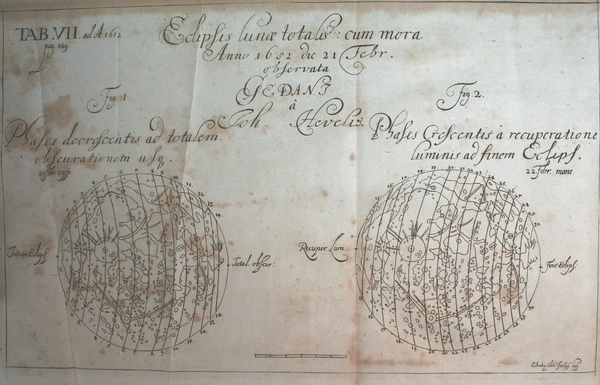 Preview |
History of Science: Astronomy
Shared with the World by Dr Matt Phillpott
A diagram of the lunar eclipse which appeared in the Acta Eruditorum scientific journal in 1682. The original copy of this image can be found at the Roderic Bowen Library and Archives, University of Wales Lampeter.
Shared with the World by Dr Matt Phillpott
![[img]](http://www.humbox.ac.uk//722/1/PHI_00617.jpg)
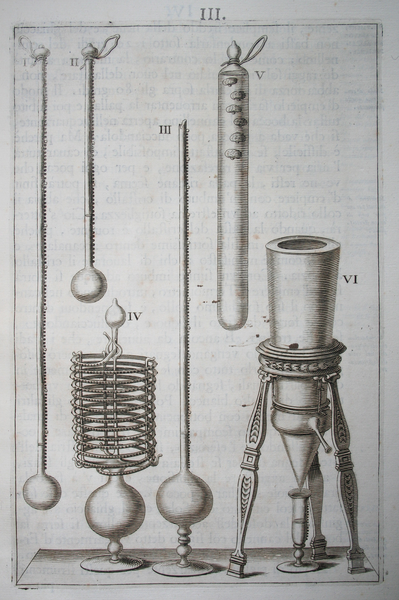 Preview |
History of Science: Chemistry experiments
Shared with the World by Dr Matt Phillpott
Image of chemistry experiment equipment belonging to the Accademia del cimento (1667). The original copy of this image can be found at the Roderic Bowen Library and Archives, University of Wales Lampeter.
Shared with the World by Dr Matt Phillpott
![[img]](http://www.humbox.ac.uk//726/1/PHI__01344.jpg)
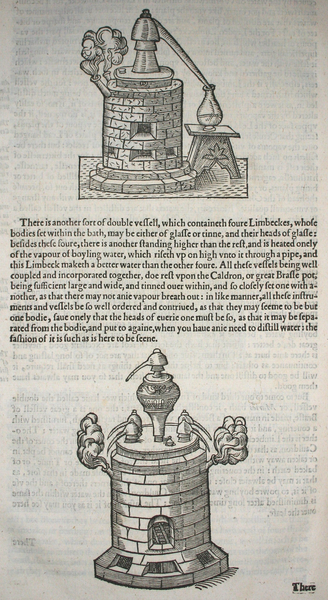 Preview |
History of Science: Distillation
Shared with the World by Dr Matt Phillpott
Image and text on distillation systems for chemistry experiments. Published in 1616. The original copy of this image can be found at the Roderic Bowen Library and Archives, University of Wales Lampeter.
Shared with the World by Dr Matt Phillpott
![[img]](http://www.humbox.ac.uk//717/2/PHI_02715.jpg)
 Preview |
History of Science: Microscopy by Buonanni (1691)
Shared with the World by Dr Matt Phillpott
Image of Microscopy in practise by Buonanni (1691). The original copy of this image can be found at the Roderic Bowen Library and Archives, University of Wales Lampeter.
Shared with the World by Dr Matt Phillpott
![[img]](http://www.humbox.ac.uk//718/1/PHI_00397-2.jpg)
 Preview |
History of Science: Microscopy by Buonanni (1775)
Shared with the World by Dr Matt Phillpott
Image of microscopy by Buonanni (1775). The original copy of this image can be found at the Roderic Bowen Library and Archives, University of Wales Lampeter.
Shared with the World by Dr Matt Phillpott
![[img]](http://www.humbox.ac.uk//719/1/HPHI_119.jpg)
 Preview |
History of Science: Microscopy by George Adams (1787)
Shared with the World by Dr Matt Phillpott
Image of Microscopy equipment by George Adams (1787). The original copy of this image can be found at the Roderic Bowen Library and Archives, University of Wales Lampeter.
Shared with the World by Dr Matt Phillpott
![[img]](http://www.humbox.ac.uk//727/1/ODS_00067.jpg)
 Preview |
History of Science: Surgery
Shared with the World by Dr Matt Phillpott
Diagram of surgery techniques by Ambrose Parey. The original copy of this image can be found at the Roderic Bowen Library and Archives, University of Wales Lampeter.
Shared with the World by Dr Matt Phillpott
![[img]](http://www.humbox.ac.uk//720/1/ODS_00156.jpg)
 Preview |
History of Science: Surgery by Fabricius Hildanus (1646)
Shared with the World by Dr Matt Phillpott
Image of Surgery procedures by Fabricius Hildanus (1646). This particular image shows trepanation. The original copy of this image can be found at the Roderic Bowen Library and Archives, University of Wales Lampeter.
Shared with the World by Dr Matt Phillpott
![[img]](http://www.humbox.ac.uk//721/1/PHI_00488.jpg)
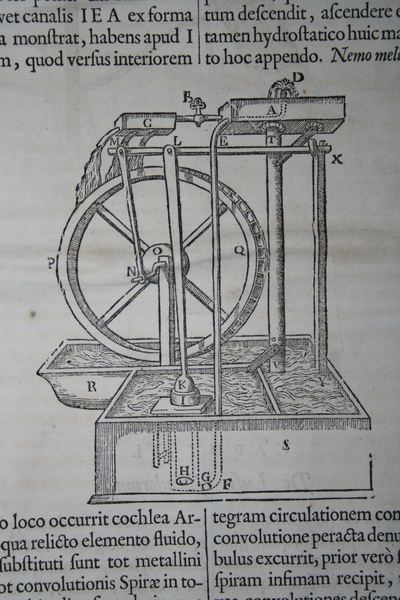 Preview |
History of Science: Technology by Athanasius Kircher (1678)
Shared with the World by Dr Matt Phillpott
Technology by the 17th century German Jesuit scholar Athanasius Kircher (1678). The original copy of this image can be found at the Roderic Bowen Library and Archives, University of Wales Lampeter.
Shared with the World by Dr Matt Phillpott
![[img]](http://www.humbox.ac.uk//725/1/PHI_00397-3.jpg)
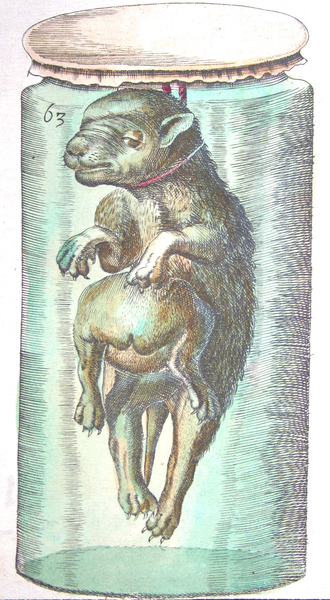 Preview |
History of Science: vivisection
Shared with the World by Dr Matt Phillpott
Image of animal experiments, published in 1775. The original copy of this image can be found at the Roderic Bowen Library and Archives, University of Wales Lampeter.
Shared with the World by Dr Matt Phillpott
Preview |
Preview |
History: Inquiry-led Independent and Collaborative Research Modules
Shared with the World by Dr Matt Phillpott
This IBL was created for the History Department to enhance core elements of the curriculum at Level 2 and 3. This resource was produced with the help of CILASS (Centre for Inquiry-based Learning in the Arts and Social Sciences) at the University of Sheffield (see http://www.shef.ac.uk/cilass).
Shared with the World by Dr Matt Phillpott
Preview |
Preview |
History: Paths From Antiquity to Modernity
Shared with the World by Dr Matt Phillpott
This IBL was created for the History Department's Level 1 module, Paths From Antiquity to Modernity and was implemented during Autumn 2007 and 2008 terms. This resource was produced with the help of CILASS (Centre for Inquiry-based Learning in the Arts and Social Sciences) at the University of Sheffield (see http://www.shef.ac.uk/cilass).
Shared with the World by Dr Matt Phillpott
![[img]](http://www.humbox.ac.uk//style/images/fileicons/application_vnd.edshare-link.png)
Holocaust Memorial Day Trust
Shared with the World by Dr Deirdre Burke
Link to the Holocaust Memorial Day Trust website, with the 2010 theme 'The legacy of hope' to mark the 65th anniversary of the liberation of Auschwitz-Birkenau on 27th January 1945.
Shared with the World by Dr Deirdre Burke
Hull Fair, Fun for All DVD Collection 1: Early Days
Shared with the World by Dr Matt Phillpott
Hull Fair is the greatest travelling fair in the country. The Hull Fair Project, funded by the Heritage Lottery Fund, has brought together memories and images from the citizens of Hull and the travelling showpeople. Between January 2004 and July 2005 over 60 interviews were conducted and more than 600 images were recorded forming a remarkable snapshot of the relationship between the city and the fair over the course of the 20th Century. The first collection contains interviews, photographs and videos from the fairs beginning and early days.
This resource was created as part of the National Fairground’s project, ‘Hull Fair, fun for all’, funded by the Heritage Lottery Fund in association with Hull City Council (see http://www.hullfair.dept.shef.ac.uk). The resource is the copyright of the National Fairground Archive, University of Sheffield (http://www.nfa.dept.shef.ac.uk/) and has been made available with their permission. Some rights reserved (see terms of licence by clicking on the CC licence logo below).
Shared with the World by Dr Matt Phillpott
Hull Fair, Fun for All DVD Collection 2: Between the Wars
Shared with the World by Dr Matt Phillpott
Hull Fair is the greatest travelling fair in the country. The Hull Fair Project, funded by the Heritage Lottery Fund, has brought together memories and images from the citizens of Hull and the travelling showpeople. Between January 2004 and July 2005 over 60 interviews were conducted and more than 600 images were recorded forming a remarkable snapshot of the relationship between the city and the fair over the course of the 20th Century. The second collection contains interviews, photographs and videos from the fair between the two world wars. This resource was created as part of the National Fairground’s project, ‘Hull Fair, fun for all’, funded by the Heritage Lottery Fund in association with Hull City Council (see http://www.hullfair.dept.shef.ac.uk). The resource is the copyright of the National Fairground Archive, University of Sheffield (http://www.nfa.dept.shef.ac.uk/) and has been made available with their permission. Commercial use of this resource is prohibited. All rights reserved.
Shared with the World by Dr Matt Phillpott
Hull Fair, Fun for All DVD Collection 3: World War II
Shared with the World by Dr Matt Phillpott
Hull Fair is the greatest travelling fair in the country. The Hull Fair Project, funded by the Heritage Lottery Fund, has brought together memories and images from the citizens of Hull and the travelling showpeople. Between January 2004 and July 2005 over 60 interviews were conducted and more than 600 images were recorded forming a remarkable snapshot of the relationship between the city and the fair over the course of the 20th Century. The third collection contains interviews, photographs and videos from the fair during and after World War II. This resource was created as part of the National Fairground’s project, ‘Hull Fair, fun for all’, funded by the Heritage Lottery Fund in association with Hull City Council (see http://www.hullfair.dept.shef.ac.uk). The resource is the copyright of the National Fairground Archive, University of Sheffield (http://www.nfa.dept.shef.ac.uk/) and has been made available with their permission. Commercial use of this resource is prohibited. All rights reserved.
Shared with the World by Dr Matt Phillpott
Hull Fair, Fun for All DVD Collection 6: Later Years
Shared with the World by Dr Matt Phillpott
Hull Fair is the greatest travelling fair in the country. The Hull Fair Project, funded by the Heritage Lottery Fund, has brought together memories and images from the citizens of Hull and the travelling showpeople. Between January 2004 and July 2005 over 60 interviews were conducted and more than 600 images were recorded forming a remarkable snapshot of the relationship between the city and the fair over the course of the 20th Century. The sixth and final collection contains interviews, photographs and videos from the fair since the 1960s, with some more general thoughts about the longevity of Hull Fair. This resource was created as part of the National Fairground’s project, ‘Hull Fair, fun for all’, funded by the Heritage Lottery Fund in association with Hull City Council (see http://www.hullfair.dept.shef.ac.uk). The resource is the copyright of the National Fairground Archive, University of Sheffield (http://www.nfa.dept.shef.ac.uk/) and has been made available with their permission. Commercial use of this resource is prohibited. All rights reserved.
Shared with the World by Dr Matt Phillpott
Preview |
Hull Fair, Fun for All DVD: Between the Wars: Boys & Machines: Short Trousers
Shared with the World by Dr Matt Phillpott
Jim Holbrook knew the Fair intimately as a boy. Every year he helped out the showmen minding the steam engines. Accompanied by photographs of Hull Fair during the same period.
This resource was created as part of the National Fairground’s project, ‘Hull Fair, fun for all’, funded by the Heritage Lottery Fund in association with Hull City Council (see http://www.hullfair.dept.shef.ac.uk). The resource is the copyright of the National Fairground Archive, University of Sheffield (http://www.nfa.dept.shef.ac.uk/) and has been made available with their permission. Some rights reserved (see terms of licence by clicking on the CC licence logo below).
Shared with the World by Dr Matt Phillpott
Preview |
Hull Fair, Fun for All DVD: Between the Wars: Boys & Machines: Traction Engines
Shared with the World by Dr Matt Phillpott
Robert Shipp recalls the Fair of his childhood and the traction engines arriving from Nottingham. 'It was quite exciting in those days'. Accompanied by photographs of Hull Fair during the same period.
This resource was created as part of the National Fairground’s project, ‘Hull Fair, fun for all’, funded by the Heritage Lottery Fund in association with Hull City Council (see http://www.hullfair.dept.shef.ac.uk). The resource is the copyright of the National Fairground Archive, University of Sheffield (http://www.nfa.dept.shef.ac.uk/) and has been made available with their permission. Some rights reserved (see terms of licence by clicking on the CC licence logo below).
Shared with the World by Dr Matt Phillpott
Preview |
Hull Fair, Fun for All DVD: Between the Wars: Fear & Wonder: Fearless Egbert
Shared with the World by Dr Matt Phillpott
Donald Connington remembers the shows of his childhood: Wild West, Rats and Fearless Egbert riding with a Lion on the Wall of Death. Accompanied by photographs of Hull Fair during the same period.
This resource was created as part of the National Fairground’s project, ‘Hull Fair, fun for all’, funded by the Heritage Lottery Fund in association with Hull City Council (see http://www.hullfair.dept.shef.ac.uk). The resource is the copyright of the National Fairground Archive, University of Sheffield (http://www.nfa.dept.shef.ac.uk/) and has been made available with their permission. Some rights reserved (see terms of licence by clicking on the CC licence logo below).
Shared with the World by Dr Matt Phillpott
Preview |
Hull Fair, Fun for All DVD: Between the Wars: Fear & Wonder: Sawing up the Lady
Shared with the World by Dr Matt Phillpott
Renee Hamilton recalls visiting the Fair as a child and seeing Madame La Guillotine lose her head, a tiger behaving badly and a Pony with a point to make. Accompanied by photographs of Hull Fair during the same period.
This resource was created as part of the National Fairground’s project, ‘Hull Fair, fun for all’, funded by the Heritage Lottery Fund in association with Hull City Council (see http://www.hullfair.dept.shef.ac.uk). The resource is the copyright of the National Fairground Archive, University of Sheffield (http://www.nfa.dept.shef.ac.uk/) and has been made available with their permission. Some rights reserved (see terms of licence by clicking on the CC licence logo below).
Shared with the World by Dr Matt Phillpott
Preview |
Hull Fair, Fun for All DVD: Between the Wars: Good Old Days: Coconuts
Shared with the World by Dr Matt Phillpott
'I knocked the top coconut down'. Fred Page was a sure shot at the Fair. Here he recalls the rides, the shows and some laughs. Accompanied by photographs of Hull Fair during the same period.
This resource was created as part of the National Fairground’s project, ‘Hull Fair, fun for all’, funded by the Heritage Lottery Fund in association with Hull City Council (see http://www.hullfair.dept.shef.ac.uk). The resource is the copyright of the National Fairground Archive, University of Sheffield (http://www.nfa.dept.shef.ac.uk/) and has been made available with their permission. Some rights reserved (see terms of licence by clicking on the CC licence logo below).
Shared with the World by Dr Matt Phillpott
Preview |
Hull Fair, Fun for All DVD: Between the Wars: Good Old Days: Wiggle Woggle
Shared with the World by Dr Matt Phillpott
Richard Wride was born in Delapore Avenue and tells us about his memories of the pre-war Fair including Madame La Guillotine and the Wiggle Woggle. Accompanied by photographs of Hull Fair during the same period.
This resource was created as part of the National Fairground’s project, ‘Hull Fair, fun for all’, funded by the Heritage Lottery Fund in association with Hull City Council (see http://www.hullfair.dept.shef.ac.uk). The resource is the copyright of the National Fairground Archive, University of Sheffield (http://www.nfa.dept.shef.ac.uk/) and has been made available with their permission. Some rights reserved (see terms of licence by clicking on the CC licence logo below).
Shared with the World by Dr Matt Phillpott
Preview |
Hull Fair, Fun for All DVD: Between the Wars: Menageries: Bostock & Wombwells
Shared with the World by Dr Matt Phillpott
Mr and Mrs Bentham recall the Fair arriving at Paragon Station and the excitement of following it down to Walton Street. Accompanied by photographs of Hull Fair during the same period.
This resource was created as part of the National Fairground’s project, ‘Hull Fair, fun for all’, funded by the Heritage Lottery Fund in association with Hull City Council (see http://www.hullfair.dept.shef.ac.uk). The resource is the copyright of the National Fairground Archive, University of Sheffield (http://www.nfa.dept.shef.ac.uk/) and has been made available with their permission. Some rights reserved (see terms of licence by clicking on the CC licence logo below).
Shared with the World by Dr Matt Phillpott
Preview |
Hull Fair, Fun for All DVD: Between the Wars: Menageries: Monkeys & Buckets
Shared with the World by Dr Matt Phillpott
Louise Ward remembers visiting the Fair where she came face to face with a monkey and needed a bucket to relieve herself. Accompanied by photographs of Hull Fair during the same period.
This resource was created as part of the National Fairground’s project, ‘Hull Fair, fun for all’, funded by the Heritage Lottery Fund in association with Hull City Council (see http://www.hullfair.dept.shef.ac.uk). The resource is the copyright of the National Fairground Archive, University of Sheffield (http://www.nfa.dept.shef.ac.uk/) and has been made available with their permission. Some rights reserved (see terms of licence by clicking on the CC licence logo below).
Shared with the World by Dr Matt Phillpott
Preview |
Hull Fair, Fun for All DVD: Between the Wars: Paraffin: Paraffin Lamps
Shared with the World by Dr Matt Phillpott
Donald Connington used to accompany his grandfather when he was selling paraffin to the showmen at Hull Fair. Accompanied by photographs of Hull Fair during the same period.
This resource was created as part of the National Fairground’s project, ‘Hull Fair, fun for all’, funded by the Heritage Lottery Fund in association with Hull City Council (see http://www.hullfair.dept.shef.ac.uk). The resource is the copyright of the National Fairground Archive, University of Sheffield (http://www.nfa.dept.shef.ac.uk/) and has been made available with their permission. Some rights reserved (see terms of licence by clicking on the CC licence logo below).
Shared with the World by Dr Matt Phillpott
Preview |
Hull Fair, Fun for All DVD: Between the Wars: Paraffin: Spending Coppers
Shared with the World by Dr Matt Phillpott
'After spending our coppers we trudged wearily home.': Robert Shipp's poem recreates the atmosphere of a childhood spent at the fair. Accompanied by photographs of Hull Fair during the same period.
This resource was created as part of the National Fairground’s project, ‘Hull Fair, fun for all’, funded by the Heritage Lottery Fund in association with Hull City Council (see http://www.hullfair.dept.shef.ac.uk). The resource is the copyright of the National Fairground Archive, University of Sheffield (http://www.nfa.dept.shef.ac.uk/) and has been made available with their permission. Some rights reserved (see terms of licence by clicking on the CC licence logo below).
Shared with the World by Dr Matt Phillpott
Preview |
Hull Fair, Fun for All DVD: Between the Wars: Steam & Prizes: A Prize Vase
Shared with the World by Dr Matt Phillpott
Walter Page's affair with the Fair began when he was still a boy. Here he tells us about his brother's prize vase and recalls his early impressions.
This resource was created as part of the National Fairground’s project, ‘Hull Fair, fun for all’, funded by the Heritage Lottery Fund in association with Hull City Council (see http://www.hullfair.dept.shef.ac.uk). The resource is the copyright of the National Fairground Archive, University of Sheffield (http://www.nfa.dept.shef.ac.uk/) and has been made available with their permission. Some rights reserved (see terms of licence by clicking on the CC licence logo below).
Shared with the World by Dr Matt Phillpott
Preview |
Hull Fair, Fun for All DVD: Between the Wars: Steam & prizes: Steam Yachts & Bread
Shared with the World by Dr Matt Phillpott
'I wonder what happened to that loaf of bread!' Mrs Reed's adventures on the Steam Yachts made a long lasting impression on her. Accompanied by photographs of Hull Fair during the same period.
This resource was created as part of the National Fairground’s project, ‘Hull Fair, fun for all’, funded by the Heritage Lottery Fund in association with Hull City Council (see http://www.hullfair.dept.shef.ac.uk). The resource is the copyright of the National Fairground Archive, University of Sheffield (http://www.nfa.dept.shef.ac.uk/) and has been made available with their permission. Some rights reserved (see terms of licence by clicking on the CC licence logo below).
Shared with the World by Dr Matt Phillpott
Hull Fair, Fun for All DVD: Collection 4: The 1950s
Shared with the World by Dr Matt Phillpott
Hull Fair is the greatest travelling fair in the country. The Hull Fair Project, funded by the Heritage Lottery Fund, has brought together memories and images from the citizens of Hull and the travelling showpeople. Between January 2004 and July 2005 over 60 interviews were conducted and more than 600 images were recorded forming a remarkable snapshot of the relationship between the city and the fair over the course of the 20th Century. The fourth collection contains interviews, photographs and videos from the fair during the 1950s. This resource was created as part of the National Fairground’s project, ‘Hull Fair, fun for all’, funded by the Heritage Lottery Fund in association with Hull City Council (see http://www.hullfair.dept.shef.ac.uk). The resource is the copyright of the National Fairground Archive, University of Sheffield (http://www.nfa.dept.shef.ac.uk/) and has been made available with their permission. Commercial use of this resource is prohibited. All rights reserved.
Shared with the World by Dr Matt Phillpott
Hull Fair, Fun for All DVD: Collection 5: The 1960s
Shared with the World by Dr Matt Phillpott
Hull Fair is the greatest travelling fair in the country. The Hull Fair Project, funded by the Heritage Lottery Fund, has brought together memories and images from the citizens of Hull and the travelling showpeople. Between January 2004 and July 2005 over 60 interviews were conducted and more than 600 images were recorded forming a remarkable snapshot of the relationship between the city and the fair over the course of the 20th Century. The fifth collection contains interviews, photographs and videos from the fair during the 1960s. This resource was created as part of the National Fairground’s project, ‘Hull Fair, fun for all’, funded by the Heritage Lottery Fund in association with Hull City Council (see http://www.hullfair.dept.shef.ac.uk). The resource is the copyright of the National Fairground Archive, University of Sheffield (http://www.nfa.dept.shef.ac.uk/) and has been made available with their permission. Commercial use of this resource is prohibited. All rights reserved.
Shared with the World by Dr Matt Phillpott
Preview |
Hull Fair, Fun for All DVD: Early Days - Beginnings: Early Memories
Shared with the World by Dr Matt Phillpott
Stanley Randerson recalls a century of visiting Hull Fair. Mainly recalling the Fair in the 1910s to 1930s. Accompanied by photographs of Hull Fair during the same period.
This resource was created as part of the National Fairground’s project, ‘Hull Fair, fun for all’, funded by the Heritage Lottery Fund in association with Hull City Council (see http://www.hullfair.dept.shef.ac.uk). The resource is the copyright of the National Fairground Archive, University of Sheffield (http://www.nfa.dept.shef.ac.uk/) and has been made available with their permission. Some rights reserved (see terms of licence by clicking on the CC licence logo below).
Shared with the World by Dr Matt Phillpott
Preview |
Hull Fair, Fun for All DVD: Early Days - Early Gallaghers: Shooting Galleries
Shared with the World by Dr Matt Phillpott
Lawrence Gallagher and Margaret Waddington nee Gallagher recalls the early years of the Gallagher family in Hull and beyond. Accompanied by photographs of Hull Fair. Includes details of the shooting gallery, coconut shy, big swings, and hopla stall.
This resource was created as part of the National Fairground’s project, ‘Hull Fair, fun for all’, funded by the Heritage Lottery Fund in association with Hull City Council (see http://www.hullfair.dept.shef.ac.uk). The resource is the copyright of the National Fairground Archive, University of Sheffield (http://www.nfa.dept.shef.ac.uk/) and has been made available with their permission. Some rights reserved (see terms of licence by clicking on the CC licence logo below).
Shared with the World by Dr Matt Phillpott
Preview |
Hull Fair, Fun for All DVD: Early Days - Food & Elephants: The Universal Caterer
Shared with the World by Dr Matt Phillpott
Mary Weighton recalls the days of her Grandfather, Horatio Marshall, who ran a successful catering business at Hull Fair before World war one. Accompanied by photographs of Hull Fair during the same period.
This resource was created as part of the National Fairground’s project, ‘Hull Fair, fun for all’, funded by the Heritage Lottery Fund in association with Hull City Council (see http://www.hullfair.dept.shef.ac.uk). The resource is the copyright of the National Fairground Archive, University of Sheffield (http://www.nfa.dept.shef.ac.uk/) and has been made available with their permission. Some rights reserved (see terms of licence by clicking on the CC licence logo below).
Shared with the World by Dr Matt Phillpott
Preview |
Hull Fair, Fun for All DVD: Early Days - Travelling Showmen: Getting There
Shared with the World by Dr Matt Phillpott
Sandra Wright recalls a lifetime of visiting Hull Fair with her family the Marshalls. Accompanied by photographs of Hull Fair during the same period.
This resource was created as part of the National Fairground’s project, ‘Hull Fair, fun for all’, funded by the Heritage Lottery Fund in association with Hull City Council (see http://www.hullfair.dept.shef.ac.uk). The resource is the copyright of the National Fairground Archive, University of Sheffield (http://www.nfa.dept.shef.ac.uk/) and has been made available with their permission. Some rights reserved (see terms of licence by clicking on the CC licence logo below).
Shared with the World by Dr Matt Phillpott
Preview |
Hull Fair, Fun for All DVD: Early Days - Travelling Showmen: Hull Showmen
Shared with the World by Dr Matt Phillpott
Lawrence Gallagher recalls the years before World War Two. Accompanied by photographs of Hull Fair during the same period.
This resource was created as part of the National Fairground’s project, ‘Hull Fair, fun for all’, funded by the Heritage Lottery Fund in association with Hull City Council (see http://www.hullfair.dept.shef.ac.uk). The resource is the copyright of the National Fairground Archive, University of Sheffield (http://www.nfa.dept.shef.ac.uk/) and has been made available with their permission. Some rights reserved (see terms of licence by clicking on the CC licence logo below).
Shared with the World by Dr Matt Phillpott
Preview |
Hull Fair, Fun for All DVD: Early Days: Beginnings: Early History
Shared with the World by Dr Matt Phillpott
Extracts from the Hull Daily Mail and World's Fair newspapers during the 1890s, accompanied by films of Hull Fair from 1902 by Mitchell & Kenyon. The extracts are read by John Alibone, Donald Campbell, Chris Church, John Horsley and Chris Wilson.
This resource was created as part of the National Fairground’s project, ‘Hull Fair, fun for all’, funded by the Heritage Lottery Fund in association with Hull City Council (see http://www.hullfair.dept.shef.ac.uk). The resource is the copyright of the National Fairground Archive, University of Sheffield (http://www.nfa.dept.shef.ac.uk/) and has been made available with their permission. Some rights reserved (see terms of licence by clicking on the CC licence logo below).
Shared with the World by Dr Matt Phillpott
Preview |
Hull Fair, Fun for All DVD: Early Days: Food & Elephants: Elephant V Man
Shared with the World by Dr Matt Phillpott
Jean Ward Skerrow recalls 'Pop's' adventures where he found himself playing in an unlikely football match in 1903 against an elephant. Accompanied by photographs of Hull Fair during the same period.
This resource was created as part of the National Fairground’s project, ‘Hull Fair, fun for all’, funded by the Heritage Lottery Fund in association with Hull City Council (see http://www.hullfair.dept.shef.ac.uk). The resource is the copyright of the National Fairground Archive, University of Sheffield (http://www.nfa.dept.shef.ac.uk/) and has been made available with their permission. Some rights reserved (see terms of licence by clicking on the CC licence logo below).
Shared with the World by Dr Matt Phillpott
Preview |
Hull Fair, Fun for All DVD: Early Days: Food & Elephants: The Universal Caterer
Shared with the World by Dr Matt Phillpott
Mary Weighton recalls the days of her Grandfather, Horatio Marshall, who ran a successful catering business at Hull Fair before World war one. Accompanied by photographs of Hull Fair during the same period.
This resource was created as part of the National Fairground’s project, ‘Hull Fair, fun for all’, funded by the Heritage Lottery Fund in association with Hull City Council (see http://www.hullfair.dept.shef.ac.uk). The resource is the copyright of the National Fairground Archive, University of Sheffield (http://www.nfa.dept.shef.ac.uk/) and has been made available with their permission. Some rights reserved (see terms of licence by clicking on the CC licence logo below).
Shared with the World by Dr Matt Phillpott
Preview |
Hull Fair, Fun for All DVD: Early Days: Romanies: A Romany at Hull Fair
Shared with the World by Dr Matt Phillpott
John King recalls his family's early days on the Fair. Accompanied by photographs of Hull Fair during the same period.
This resource was created as part of the National Fairground’s project, ‘Hull Fair, fun for all’, funded by the Heritage Lottery Fund in association with Hull City Council (see http://www.hullfair.dept.shef.ac.uk). The resource is the copyright of the National Fairground Archive, University of Sheffield (http://www.nfa.dept.shef.ac.uk/) and has been made available with their permission. Some rights reserved (see terms of licence by clicking on the CC licence logo below).
Shared with the World by Dr Matt Phillpott
Preview |
Hull Fair, Fun for All DVD: Early Days: Romanies: Romany Origins
Shared with the World by Dr Matt Phillpott
John King recalls the origins of the King family. Accompanied by photographs of Hull Fair during the same period.
This resource was created as part of the National Fairground’s project, ‘Hull Fair, fun for all’, funded by the Heritage Lottery Fund in association with Hull City Council (see http://www.hullfair.dept.shef.ac.uk). The resource is the copyright of the National Fairground Archive, University of Sheffield (http://www.nfa.dept.shef.ac.uk/) and has been made available with their permission. Some rights reserved (see terms of licence by clicking on the CC licence logo below).
Shared with the World by Dr Matt Phillpott
Preview |
Hull Fair, Fun for All DVD: Later Years - Chips & Folk: Five Bob Please!
Shared with the World by Dr Matt Phillpott
Bob Carver tells us about chips, pies and his family's relationship with Hull Fair. Accompanied by photographs of Carvers fish & chips shop and fair sidestall.
This resource was created as part of the National Fairground’s project, ‘Hull Fair, fun for all’, funded by the Heritage Lottery Fund in association with Hull City Council (see http://www.hullfair.dept.shef.ac.uk). The resource is the copyright of the National Fairground Archive, University of Sheffield (http://www.nfa.dept.shef.ac.uk/) and has been made available with their permission. Some rights reserved (see terms of licence by clicking on the CC licence logo below).
Shared with the World by Dr Matt Phillpott
Preview |
Hull Fair, Fun for All DVD: Later Years - Chips & Folk: Hull People
Shared with the World by Dr Matt Phillpott
Albert Baines recalls the people he saw and served at the Fair. Accompanied by photographs of Hull Fair.
This resource was created as part of the National Fairground’s project, ‘Hull Fair, fun for all’, funded by the Heritage Lottery Fund in association with Hull City Council (see http://www.hullfair.dept.shef.ac.uk). The resource is the copyright of the National Fairground Archive, University of Sheffield (http://www.nfa.dept.shef.ac.uk/) and has been made available with their permission. Some rights reserved (see terms of licence by clicking on the CC licence logo below).
Shared with the World by Dr Matt Phillpott
Preview |
Hull Fair, Fun for All DVD: Later Years - Giants & Shamrocks: Gentle Giant
Shared with the World by Dr Matt Phillpott
David Harrison recalls his childhood visiting the Fair with his father and seeing George the Gentle Giant. Karen Riches also remembers George. Accompanied by photographs of Hull Fair and various giants from the same period.
This resource was created as part of the National Fairground’s project, ‘Hull Fair, fun for all’, funded by the Heritage Lottery Fund in association with Hull City Council (see http://www.hullfair.dept.shef.ac.uk). The resource is the copyright of the National Fairground Archive, University of Sheffield (http://www.nfa.dept.shef.ac.uk/) and has been made available with their permission. Some rights reserved (see terms of licence by clicking on the CC licence logo below).
Shared with the World by Dr Matt Phillpott
Preview |
Hull Fair, Fun for All DVD: Later Years - Giants & Shamrocks: Shamrocks & Thrills
Shared with the World by Dr Matt Phillpott
Sharon Rustling and Mrs Arro recall the Shamrocks, the Waltzer and Dive Bomber. Accompanied by photographs of Hull Fair.
This resource was created as part of the National Fairground’s project, ‘Hull Fair, fun for all’, funded by the Heritage Lottery Fund in association with Hull City Council (see http://www.hullfair.dept.shef.ac.uk). The resource is the copyright of the National Fairground Archive, University of Sheffield (http://www.nfa.dept.shef.ac.uk/) and has been made available with their permission. Some rights reserved (see terms of licence by clicking on the CC licence logo below).
Shared with the World by Dr Matt Phillpott
Preview |
Hull Fair, Fun for All DVD: Later Years - Paint & Fire: Fire Brigade
Shared with the World by Dr Matt Phillpott
That was an area kept clear for the fire brigade'. George McPhee shows us his photographs of the Fair and Walton Street.
This resource was created as part of the National Fairground’s project, ‘Hull Fair, fun for all’, funded by the Heritage Lottery Fund in association with Hull City Council (see http://www.hullfair.dept.shef.ac.uk). The resource is the copyright of the National Fairground Archive, University of Sheffield (http://www.nfa.dept.shef.ac.uk/) and has been made available with their permission. Some rights reserved (see terms of licence by clicking on the CC licence logo below).
Shared with the World by Dr Matt Phillpott
Preview |
Hull Fair, Fun for All DVD: Later Years - Paint & Fire: Painters
Shared with the World by Dr Matt Phillpott
Gary Leach has been painting for showmen since the age of 14 and recalls playing football with the local kids during Hull Fair week. Accompanied by photographs of Hull Fair.
This resource was created as part of the National Fairground’s project, ‘Hull Fair, fun for all’, funded by the Heritage Lottery Fund in association with Hull City Council (see http://www.hullfair.dept.shef.ac.uk). The resource is the copyright of the National Fairground Archive, University of Sheffield (http://www.nfa.dept.shef.ac.uk/) and has been made available with their permission. Some rights reserved (see terms of licence by clicking on the CC licence logo below).
Shared with the World by Dr Matt Phillpott
Preview |
Hull Fair, Fun for All DVD: Later Years - The Show Goes On: Building Shows
Shared with the World by Dr Matt Phillpott
'I originate from shows, build shows, run shows'. Gilbert Chadwick recalls Ghosts, Novelties, Giants, Rats and more. Accompanied by photographs of Hull Fair.
This resource was created as part of the National Fairground’s project, ‘Hull Fair, fun for all’, funded by the Heritage Lottery Fund in association with Hull City Council (see http://www.hullfair.dept.shef.ac.uk). The resource is the copyright of the National Fairground Archive, University of Sheffield (http://www.nfa.dept.shef.ac.uk/) and has been made available with their permission. Some rights reserved (see terms of licence by clicking on the CC licence logo below).
Shared with the World by Dr Matt Phillpott
Preview |
Hull Fair, Fun for All DVD: Later Years - The Show Goes On: Ghost Train
Shared with the World by Dr Matt Phillpott
Debbie Reeves tells of her early years working on the fair with her father Gilbert Chadwick. Accompanied by photographs of Hull Fair.
This resource was created as part of the National Fairground’s project, ‘Hull Fair, fun for all’, funded by the Heritage Lottery Fund in association with Hull City Council (see http://www.hullfair.dept.shef.ac.uk). The resource is the copyright of the National Fairground Archive, University of Sheffield (http://www.nfa.dept.shef.ac.uk/) and has been made available with their permission. Some rights reserved (see terms of licence by clicking on the CC licence logo below).
Shared with the World by Dr Matt Phillpott
Preview |
Hull Fair, Fun for All DVD: Later Years - Then & Now: Allotments
Shared with the World by Dr Matt Phillpott
For Violet Biddell, being at Hull Fair included cut flowers from the allotments and tea with the local butcher. Accompanied by photographs.
This resource was created as part of the National Fairground’s project, ‘Hull Fair, fun for all’, funded by the Heritage Lottery Fund in association with Hull City Council (see http://www.hullfair.dept.shef.ac.uk). The resource is the copyright of the National Fairground Archive, University of Sheffield (http://www.nfa.dept.shef.ac.uk/) and has been made available with their permission. Some rights reserved (see terms of licence by clicking on the CC licence logo below).
Shared with the World by Dr Matt Phillpott
Preview |
Hull Fair, Fun for All DVD: Later Years - Then & Now: The Frog Hopper
Shared with the World by Dr Matt Phillpott
For Emmy, Tish and Paul, being at Hull Fair includes trying to go on every ride: the Extreme, Twister and even the Sea Storm twice! Their memories are accompanied by amateur footage donated to the Hull Fair Project.
This resource was created as part of the National Fairground’s project, ‘Hull Fair, fun for all’, funded by the Heritage Lottery Fund in association with Hull City Council (see http://www.hullfair.dept.shef.ac.uk). The resource is the copyright of the National Fairground Archive, University of Sheffield (http://www.nfa.dept.shef.ac.uk/) and has been made available with their permission. Some rights reserved (see terms of licence by clicking on the CC licence logo below).
Shared with the World by Dr Matt Phillpott
Preview |
Hull Fair, Fun for All DVD: Later Years - Visit the Fair!: 10 Star Fair
Shared with the World by Dr Matt Phillpott
'So come on people everywhere, visit the travelling fair'. John Biddell admires Hull Fair and Doreen Hampshire reads her poem celebrating its rich history. Accompanied by photographs of Hull Fair.
This resource was created as part of the National Fairground’s project, ‘Hull Fair, fun for all’, funded by the Heritage Lottery Fund in association with Hull City Council (see http://www.hullfair.dept.shef.ac.uk). The resource is the copyright of the National Fairground Archive, University of Sheffield (http://www.nfa.dept.shef.ac.uk/) and has been made available with their permission. Some rights reserved (see terms of licence by clicking on the CC licence logo below).
Shared with the World by Dr Matt Phillpott
Preview |
Hull Fair, Fun for All DVD: Later Years - Visit the Fair!: Heritage
Shared with the World by Dr Matt Phillpott
Joe Hives and Joseph Vernon remember the good old days at Hull Fair and anticipate them continuing. Accompanied by photographs of Hull Fair through the ages.
This resource was created as part of the National Fairground’s project, ‘Hull Fair, fun for all’, funded by the Heritage Lottery Fund in association with Hull City Council (see http://www.hullfair.dept.shef.ac.uk). The resource is the copyright of the National Fairground Archive, University of Sheffield (http://www.nfa.dept.shef.ac.uk/) and has been made available with their permission. Some rights reserved (see terms of licence by clicking on the CC licence logo below).
Shared with the World by Dr Matt Phillpott
Preview |
Hull Fair, Fun for All DVD: The 1950s - Birth & Marriage: Christened at the Fair
Shared with the World by Dr Matt Phillpott
'I was christened at Hull Fair'. Henry Marshall and John Shaw tell of their early experiences of the Fair. Accompanied by photographs of Hull Fair.
This resource was created as part of the National Fairground’s project, ‘Hull Fair, fun for all’, funded by the Heritage Lottery Fund in association with Hull City Council (see http://www.hullfair.dept.shef.ac.uk). The resource is the copyright of the National Fairground Archive, University of Sheffield (http://www.nfa.dept.shef.ac.uk/) and has been made available with their permission. Some rights reserved (see terms of licence by clicking on the CC licence logo below).
Shared with the World by Dr Matt Phillpott
Preview |
Hull Fair, Fun for All DVD: The 1950s - Birth & Marriage: Showman's Wedding
Shared with the World by Dr Matt Phillpott
Margaret and Albert Baines were married at Hull and tell the story of a showman's wedding. Accompanied by photographs of Hull Fair.
This resource was created as part of the National Fairground’s project, ‘Hull Fair, fun for all’, funded by the Heritage Lottery Fund in association with Hull City Council (see http://www.hullfair.dept.shef.ac.uk). The resource is the copyright of the National Fairground Archive, University of Sheffield (http://www.nfa.dept.shef.ac.uk/) and has been made available with their permission. Some rights reserved (see terms of licence by clicking on the CC licence logo below).
Shared with the World by Dr Matt Phillpott
Preview |
Hull Fair, Fun for All DVD: The 1950s - Boxing & The Shows: Conned!
Shared with the World by Dr Matt Phillpott
'It was obvious you were conned as soon as you went inside.' Les Paling remembers the shows and the rides of the Fair: the Boxing Booth, the Circus, the Wild West show and Winkles. Accompanied by photographs of Hull Fair.
This resource was created as part of the National Fairground’s project, ‘Hull Fair, fun for all’, funded by the Heritage Lottery Fund in association with Hull City Council (see http://www.hullfair.dept.shef.ac.uk). The resource is the copyright of the National Fairground Archive, University of Sheffield (http://www.nfa.dept.shef.ac.uk/) and has been made available with their permission. Some rights reserved (see terms of licence by clicking on the CC licence logo below).
Shared with the World by Dr Matt Phillpott
Preview |
Hull Fair, Fun for All DVD: The 1950s - Boxing & The Shows: Uncle Bert Hughes
Shared with the World by Dr Matt Phillpott
Sylvia Grantham recalls her Uncle Bert Hughes of Boxing Booth fame. Accompanied by photographs of Hull Fair.
This resource was created as part of the National Fairground’s project, ‘Hull Fair, fun for all’, funded by the Heritage Lottery Fund in association with Hull City Council (see http://www.hullfair.dept.shef.ac.uk). The resource is the copyright of the National Fairground Archive, University of Sheffield (http://www.nfa.dept.shef.ac.uk/) and has been made available with their permission. Some rights reserved (see terms of licence by clicking on the CC licence logo below).
Shared with the World by Dr Matt Phillpott
Preview |
Hull Fair, Fun for All DVD: The 1950s - Dances & Tassels: Dances & Ice Cream
Shared with the World by Dr Matt Phillpott
Sandra Wright and Albert Baines recall their teenage years on the Fair. Accompanied by photographs of Hull Fair.
This resource was created as part of the National Fairground’s project, ‘Hull Fair, fun for all’, funded by the Heritage Lottery Fund in association with Hull City Council (see http://www.hullfair.dept.shef.ac.uk). The resource is the copyright of the National Fairground Archive, University of Sheffield (http://www.nfa.dept.shef.ac.uk/) and has been made available with their permission. Some rights reserved (see terms of licence by clicking on the CC licence logo below).
Shared with the World by Dr Matt Phillpott
Preview |
Hull Fair, Fun for All DVD: The 1950s - Dances & Tassels: Ladies with Tassels
Shared with the World by Dr Matt Phillpott
Jean and John Powell recall Ladies with Tassels and other shows of the 1950s. Accompanied by photographs of Hull Fair.
This resource was created as part of the National Fairground’s project, ‘Hull Fair, fun for all’, funded by the Heritage Lottery Fund in association with Hull City Council (see http://www.hullfair.dept.shef.ac.uk). The resource is the copyright of the National Fairground Archive, University of Sheffield (http://www.nfa.dept.shef.ac.uk/) and has been made available with their permission. Some rights reserved (see terms of licence by clicking on the CC licence logo below).
Shared with the World by Dr Matt Phillpott
Preview |
Hull Fair, Fun for All DVD: The 1950s - Guys & Dolls: Fairy Dolls
Shared with the World by Dr Matt Phillpott
John King celebrates the Gypsy Dolls at Hull Fair. The accompanying film is archival footage from the National Fairground Archive.
This resource was created as part of the National Fairground’s project, ‘Hull Fair, fun for all’, funded by the Heritage Lottery Fund in association with Hull City Council (see http://www.hullfair.dept.shef.ac.uk). The resource is the copyright of the National Fairground Archive, University of Sheffield (http://www.nfa.dept.shef.ac.uk/) and has been made available with their permission. Some rights reserved (see terms of licence by clicking on the CC licence logo below).
Shared with the World by Dr Matt Phillpott
Preview |
Hull Fair, Fun for All DVD: The 1950s - Guys & Dolls: Lovely Dark Skin
Shared with the World by Dr Matt Phillpott
Mrs Brown reminds us of romance during the Rock & Roll years at Hull. Accompanied by photographs of Hull Fair.
This resource was created as part of the National Fairground’s project, ‘Hull Fair, fun for all’, funded by the Heritage Lottery Fund in association with Hull City Council (see http://www.hullfair.dept.shef.ac.uk). The resource is the copyright of the National Fairground Archive, University of Sheffield (http://www.nfa.dept.shef.ac.uk/) and has been made available with their permission. Some rights reserved (see terms of licence by clicking on the CC licence logo below).
Shared with the World by Dr Matt Phillpott
Preview |
Hull Fair, Fun for All DVD: The 1950s - Talent: A Hull Man's Tale
Shared with the World by Dr Matt Phillpott
Jim Holbrook stood in for the showmen at the Fair for many years. Here he remembers the shows and the tales he told to entice people to enter. Accompanied by photographs of Hull Fair.
This resource was created as part of the National Fairground’s project, ‘Hull Fair, fun for all’, funded by the Heritage Lottery Fund in association with Hull City Council (see http://www.hullfair.dept.shef.ac.uk). The resource is the copyright of the National Fairground Archive, University of Sheffield (http://www.nfa.dept.shef.ac.uk/) and has been made available with their permission. Some rights reserved (see terms of licence by clicking on the CC licence logo below).
Shared with the World by Dr Matt Phillpott
Preview |
Hull Fair, Fun for All DVD: The 1950s - Talent: He could do all sorts
Shared with the World by Dr Matt Phillpott
'But this lad, he could do all sorts'. Ron Appleyard recalls his schooldays at Paisley Street School and remembers Ringmasters and vaulting horses. Accompanied by photographs of Hull Fair.
This resource was created as part of the National Fairground’s project, ‘Hull Fair, fun for all’, funded by the Heritage Lottery Fund in association with Hull City Council (see http://www.hullfair.dept.shef.ac.uk). The resource is the copyright of the National Fairground Archive, University of Sheffield (http://www.nfa.dept.shef.ac.uk/) and has been made available with their permission. Some rights reserved (see terms of licence by clicking on the CC licence logo below).
Shared with the World by Dr Matt Phillpott
Preview |
Hull Fair, Fun for All DVD: The 1950s - The Site: Old Walton Street
Shared with the World by Dr Matt Phillpott
'The coal man used to come'. Albert Baines recalls Walton Street as it used to be. Accompanied by photographs of Hull Fair.
This resource was created as part of the National Fairground’s project, ‘Hull Fair, fun for all’, funded by the Heritage Lottery Fund in association with Hull City Council (see http://www.hullfair.dept.shef.ac.uk). The resource is the copyright of the National Fairground Archive, University of Sheffield (http://www.nfa.dept.shef.ac.uk/) and has been made available with their permission. Some rights reserved (see terms of licence by clicking on the CC licence logo below).
Shared with the World by Dr Matt Phillpott
Preview |
Hull Fair, Fun for All DVD: The 1960s - Characters: Chicken Joe
Shared with the World by Dr Matt Phillpott
'Chicken Joe, the Man You All Know'. Hull Fair wasn't the same without going to see Chicken Joe. Memories from Gladys Kemp, Walter Page and Mr & Mrs Riley. Accompanied by photographs of Chicken Joe.
This resource was created as part of the National Fairground’s project, ‘Hull Fair, fun for all’, funded by the Heritage Lottery Fund in association with Hull City Council (see http://www.hullfair.dept.shef.ac.uk). The resource is the copyright of the National Fairground Archive, University of Sheffield (http://www.nfa.dept.shef.ac.uk/) and has been made available with their permission. Some rights reserved (see terms of licence by clicking on the CC licence logo below).
Shared with the World by Dr Matt Phillpott
Preview |
Hull Fair, Fun for All DVD: The 1960s - Characters: Roland Dent
Shared with the World by Dr Matt Phillpott
'Black cap, feather, and a stick'. Everyone remembers the eccentric Roland Dent. Memories from Walter, Fred and Margaret Page and Les Paling.
This resource was created as part of the National Fairground’s project, ‘Hull Fair, fun for all’, funded by the Heritage Lottery Fund in association with Hull City Council (see http://www.hullfair.dept.shef.ac.uk). The resource is the copyright of the National Fairground Archive, University of Sheffield (http://www.nfa.dept.shef.ac.uk/) and has been made available with their permission. Some rights reserved (see terms of licence by clicking on the CC licence logo below).
Shared with the World by Dr Matt Phillpott
Preview |
Hull Fair, Fun for All DVD: The 1960s - Horses & Troupes: The Colorado's
Shared with the World by Dr Matt Phillpott
Walter Page recalls the Colorado's, Tom Norman's Palladium and Anita the Living Doll. Accompanied by photographs of Hull Fair.
This resource was created as part of the National Fairground’s project, ‘Hull Fair, fun for all’, funded by the Heritage Lottery Fund in association with Hull City Council (see http://www.hullfair.dept.shef.ac.uk). The resource is the copyright of the National Fairground Archive, University of Sheffield (http://www.nfa.dept.shef.ac.uk/) and has been made available with their permission. Some rights reserved (see terms of licence by clicking on the CC licence logo below).
Shared with the World by Dr Matt Phillpott
Preview |
Hull Fair, Fun for All DVD: The 1960s - Ladies, Ladies: Lovely Ladies
Shared with the World by Dr Matt Phillpott
Henry Marshall and John Shaw recount their fascination with the shows (and ladies) of their youth. Accompanied by photographs of Hull Fair.
This resource was created as part of the National Fairground’s project, ‘Hull Fair, fun for all’, funded by the Heritage Lottery Fund in association with Hull City Council (see http://www.hullfair.dept.shef.ac.uk). The resource is the copyright of the National Fairground Archive, University of Sheffield (http://www.nfa.dept.shef.ac.uk/) and has been made available with their permission. Some rights reserved (see terms of licence by clicking on the CC licence logo below).
Shared with the World by Dr Matt Phillpott
Preview |
Hull Fair, Fun for All DVD: The 1960s - Ladies, Ladies: Role Models
Shared with the World by Dr Matt Phillpott
'So all these women made an impact on me as a young girl'. Marissa Shaw describes the 'fabulous looking' show women and the impression they made upon her. This video also discusses 'Hull Fair babies'. Accompanied by photographs of Hull Fair.
This resource was created as part of the National Fairground’s project, ‘Hull Fair, fun for all’, funded by the Heritage Lottery Fund in association with Hull City Council (see http://www.hullfair.dept.shef.ac.uk). The resource is the copyright of the National Fairground Archive, University of Sheffield (http://www.nfa.dept.shef.ac.uk/) and has been made available with their permission. Some rights reserved (see terms of licence by clicking on the CC licence logo below).
Shared with the World by Dr Matt Phillpott
Preview |
Hull Fair, Fun for All DVD: The 1960s - Riding the Wall: Cyclone Al
Shared with the World by Dr Matt Phillpott
Albert Evans, a.k.a. "Cyclone Al", rode the Wall of Death with "Jerry De Roy", whilst his sister "Irene Dare" rode pillion. Accompanied by photographs of the Wall of Death.
This resource was created as part of the National Fairground’s project, ‘Hull Fair, fun for all’, funded by the Heritage Lottery Fund in association with Hull City Council (see http://www.hullfair.dept.shef.ac.uk). The resource is the copyright of the National Fairground Archive, University of Sheffield (http://www.nfa.dept.shef.ac.uk/) and has been made available with their permission. Some rights reserved (see terms of licence by clicking on the CC licence logo below).
Shared with the World by Dr Matt Phillpott
Preview |
Hull Fair, Fun for All DVD: The 1960s - Riding the Wall: The Wall of Death
Shared with the World by Dr Matt Phillpott
'Oh, wouldn't it be good if we could have a go'. Douglas remembers seeing the Wall of Death. Accompanied by photographs of Hull Fair.
This resource was created as part of the National Fairground’s project, ‘Hull Fair, fun for all’, funded by the Heritage Lottery Fund in association with Hull City Council (see http://www.hullfair.dept.shef.ac.uk). The resource is the copyright of the National Fairground Archive, University of Sheffield (http://www.nfa.dept.shef.ac.uk/) and has been made available with their permission. Some rights reserved (see terms of licence by clicking on the CC licence logo below).
Shared with the World by Dr Matt Phillpott
Preview |
Hull Fair, Fun for All DVD: The 1960s - Scotsmen & Traders: Scot's Corner
Shared with the World by Dr Matt Phillpott
Matthew Taylor tells of his long affair with Hull and the success of Scot's Corner. Accompanied by photographs of Hull Fair.
This resource was created as part of the National Fairground’s project, ‘Hull Fair, fun for all’, funded by the Heritage Lottery Fund in association with Hull City Council (see http://www.hullfair.dept.shef.ac.uk). The resource is the copyright of the National Fairground Archive, University of Sheffield (http://www.nfa.dept.shef.ac.uk/) and has been made available with their permission. Some rights reserved (see terms of licence by clicking on the CC licence logo below).
Shared with the World by Dr Matt Phillpott
Preview |
Hull Fair, Fun for All DVD: The 1960s - Scotsmen & Traders: Walton St. Traders
Shared with the World by Dr Matt Phillpott
Roseanne Peacock and her Uncle George Norris recall the family stall on Walton Street in the 1960s. Accompanied by photographs of Hull Fair.
This resource was created as part of the National Fairground’s project, ‘Hull Fair, fun for all’, funded by the Heritage Lottery Fund in association with Hull City Council (see http://www.hullfair.dept.shef.ac.uk). The resource is the copyright of the National Fairground Archive, University of Sheffield (http://www.nfa.dept.shef.ac.uk/) and has been made available with their permission. Some rights reserved (see terms of licence by clicking on the CC licence logo below).
Shared with the World by Dr Matt Phillpott
Preview |
Hull Fair, Fun for All DVD: The 1960s - Show Row: Affording Chips
Shared with the World by Dr Matt Phillpott
'We couldn't afford chips'. Mr Ward recalls visiting the Fair with his Grandad and seeing the Wall of Death, the Boxing and the Flea Circus. Accompanied by photographs of Hull Fair.
This resource was created as part of the National Fairground’s project, ‘Hull Fair, fun for all’, funded by the Heritage Lottery Fund in association with Hull City Council (see http://www.hullfair.dept.shef.ac.uk). The resource is the copyright of the National Fairground Archive, University of Sheffield (http://www.nfa.dept.shef.ac.uk/) and has been made available with their permission. Some rights reserved (see terms of licence by clicking on the CC licence logo below).
Shared with the World by Dr Matt Phillpott
Preview |
Hull Fair, Fun for All DVD: The 1960s - Show Row: The Shows
Shared with the World by Dr Matt Phillpott
'Well this is all the show row but they've all changed now'. Margaret Waddington recalls the shows at Hull Fair.
This resource was created as part of the National Fairground’s project, ‘Hull Fair, fun for all’, funded by the Heritage Lottery Fund in association with Hull City Council (see http://www.hullfair.dept.shef.ac.uk). The resource is the copyright of the National Fairground Archive, University of Sheffield (http://www.nfa.dept.shef.ac.uk/) and has been made available with their permission. Some rights reserved (see terms of licence by clicking on the CC licence logo below).
Shared with the World by Dr Matt Phillpott
Preview |
Hull Fair, Fun for All DVD: World War II: Anti-Aircraft
Shared with the World by Dr Matt Phillpott
'They used to have a big anti-aircraft site on there, at the fairground.' Jim Holbrook had worked on the Fair as a boy and returned there after the war. Here he recalls some of the early post-wars fairs with Billy Butlin. Accompanied by photographs of Hull Fair during the same period.
This resource was created as part of the National Fairground’s project, ‘Hull Fair, fun for all’, funded by the Heritage Lottery Fund in association with Hull City Council (see http://www.hullfair.dept.shef.ac.uk). The resource is the copyright of the National Fairground Archive, University of Sheffield (http://www.nfa.dept.shef.ac.uk/) and has been made available with their permission. Some rights reserved (see terms of licence by clicking on the CC licence logo below).
Shared with the World by Dr Matt Phillpott
Preview |
Hull Fair, Fun for All DVD: World War II: Hot Dogs & Bonnets: Burgers & Speedways
Shared with the World by Dr Matt Phillpott
'The Elephant backed right up…sat on the bonnet and crushed the car'. Bill Shaw recalls the end of rationing with ice cream, hot dogs, burgers and ex-naval frogmen. Accompanied by photographs of Hull Fair during the same period.
This resource was created as part of the National Fairground’s project, ‘Hull Fair, fun for all’, funded by the Heritage Lottery Fund in association with Hull City Council (see http://www.hullfair.dept.shef.ac.uk). The resource is the copyright of the National Fairground Archive, University of Sheffield (http://www.nfa.dept.shef.ac.uk/) and has been made available with their permission. Some rights reserved (see terms of licence by clicking on the CC licence logo below).
Shared with the World by Dr Matt Phillpott
Preview |
Hull Fair, Fun for All DVD: World War II: Hot Dogs & Bonnets: Mrs Riley's Hat
Shared with the World by Dr Matt Phillpott
Mr and Mrs Riley went courting at the Fair and tell us about their adventures. Accompanied by photographs of Hull Fair during the same period.
This resource was created as part of the National Fairground’s project, ‘Hull Fair, fun for all’, funded by the Heritage Lottery Fund in association with Hull City Council (see http://www.hullfair.dept.shef.ac.uk). The resource is the copyright of the National Fairground Archive, University of Sheffield (http://www.nfa.dept.shef.ac.uk/) and has been made available with their permission. Some rights reserved (see terms of licence by clicking on the CC licence logo below).
Shared with the World by Dr Matt Phillpott
Preview |
Hull Fair, Fun for All DVD: World War II: Tasting Candy Floss
Shared with the World by Dr Matt Phillpott
'That was where I first tasted candy floss'. Les Paling recalls his first fair at Corporation Field at the end of the War. Accompanied by photographs of Hull Fair during the same period.
This resource was created as part of the National Fairground’s project, ‘Hull Fair, fun for all’, funded by the Heritage Lottery Fund in association with Hull City Council (see http://www.hullfair.dept.shef.ac.uk). The resource is the copyright of the National Fairground Archive, University of Sheffield (http://www.nfa.dept.shef.ac.uk/) and has been made available with their permission. Some rights reserved (see terms of licence by clicking on the CC licence logo below).
Shared with the World by Dr Matt Phillpott
Preview |
Hull Fair, Fun for All DVD: World War II: The Gallaghers' War
Shared with the World by Dr Matt Phillpott
Margaret Waddington and her nephew Lawrence Gallagher recall the War years in Hull. Accompanied by photographs of Hull Fair during the same period.
This resource was created as part of the National Fairground’s project, ‘Hull Fair, fun for all’, funded by the Heritage Lottery Fund in association with Hull City Council (see http://www.hullfair.dept.shef.ac.uk). The resource is the copyright of the National Fairground Archive, University of Sheffield (http://www.nfa.dept.shef.ac.uk/) and has been made available with their permission. Some rights reserved (see terms of licence by clicking on the CC licence logo below).
Shared with the World by Dr Matt Phillpott
Preview |
Hull Fair, Fun for All DVD: World War II: The People
Shared with the World by Dr Matt Phillpott
'People and the way they dressed'. Geoffrey Waters was taken to the Fair by his wife to be. Here he shows us his photographs from that visit.
This resource was created as part of the National Fairground’s project, ‘Hull Fair, fun for all’, funded by the Heritage Lottery Fund in association with Hull City Council (see http://www.hullfair.dept.shef.ac.uk). The resource is the copyright of the National Fairground Archive, University of Sheffield (http://www.nfa.dept.shef.ac.uk/) and has been made available with their permission. Some rights reserved (see terms of licence by clicking on the CC licence logo below).
Shared with the World by Dr Matt Phillpott
Preview |
Hull Fair, Fun for all DVD: Introduction
Shared with the World by Dr Matt Phillpott
View of a swing carousel from early 20th century.
This resource was created as part of the National Fairground’s project, ‘Hull Fair, fun for all’, funded by the Heritage Lottery Fund in association with Hull City Council (see http://www.hullfair.dept.shef.ac.uk). The resource is the copyright of the National Fairground Archive, University of Sheffield (http://www.nfa.dept.shef.ac.uk/) and has been made available with their permission. Some rights reserved (see terms of licence by clicking on the CC licence logo below).
Shared with the World by Dr Matt Phillpott
Preview |
Hull Fair: Fun for All DVD: The 1960s - Horses & Troupes: The Gallopers
Shared with the World by Dr Matt Phillpott
Karen Riches tells us about her love affair with the Gallopers at Hull Fair. Accompanied by photographs of the Gallopers.
This resource was created as part of the National Fairground’s project, ‘Hull Fair, fun for all’, funded by the Heritage Lottery Fund in association with Hull City Council (see http://www.hullfair.dept.shef.ac.uk). The resource is the copyright of the National Fairground Archive, University of Sheffield (http://www.nfa.dept.shef.ac.uk/) and has been made available with their permission. Some rights reserved (see terms of licence by clicking on the CC licence logo below).
Shared with the World by Dr Matt Phillpott
Preview |
Hull fair, Fun for All DVD: The 1950s - The Site: Ground Men
Shared with the World by Dr Matt Phillpott
'Always seemed to have the Fair in their heart'. David Wallis remembers the importance of the ground men at Hull Fair. Accompanied by photographs of Hull Fair.
This resource was created as part of the National Fairground’s project, ‘Hull Fair, fun for all’, funded by the Heritage Lottery Fund in association with Hull City Council (see http://www.hullfair.dept.shef.ac.uk). The resource is the copyright of the National Fairground Archive, University of Sheffield (http://www.nfa.dept.shef.ac.uk/) and has been made available with their permission. Some rights reserved (see terms of licence by clicking on the CC licence logo below).
Shared with the World by Dr Matt Phillpott
Preview |
IBL Exercise on Early Modern Revolutions
Shared with the World by Dr Matt Phillpott
An exercise in using and searching the library website for year one students. This exercise is designed to facilitate student participation in class to discuss Early Modern Revolutions. Although this exercise is designed for use with the library catalogue at the University of Sheffield, this resource could be adapted for other institutions.
Shared with the World by Dr Matt Phillpott
Images of Colonial attitudes to India
Shared with the World by Dr Matt Phillpott
Images of Colonial Attitudes to India including 'Coolies' at work and native costumes. Provided by Peter Hopkins, Roderic Bowen Library and Archives, History, University of Wales Lampeter
Shared with the World by Dr Matt Phillpott
Images of Eighteenth Century French Costume
Shared with the World by Dr Matt Phillpott
Images of Eighteenth Century French Costume supplied by the collections of the Roderic Bowen Library and Archives, University of Wales Lampeter.
Shared with the World by Dr Matt Phillpott
Images of Fantastic Beasts
Shared with the World by Dr Matt Phillpott
Images of Sea Monsters and Dragons from the 16th and 17th centuries. Provided by Peter Hopkins, Roderic Bowen Library and Archives, History, University of Wales Lampeter
Shared with the World by Dr Matt Phillpott
![[img]](http://www.humbox.ac.uk//1655/1/DSCN2033.JPG)
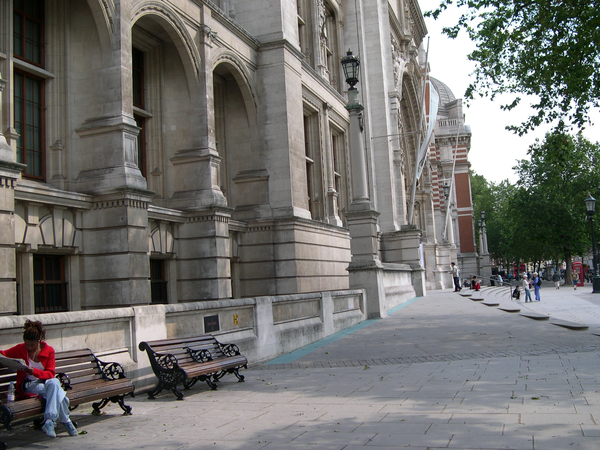 Preview |
![[img]](http://www.humbox.ac.uk//1655/2/DSCN2034.JPG)
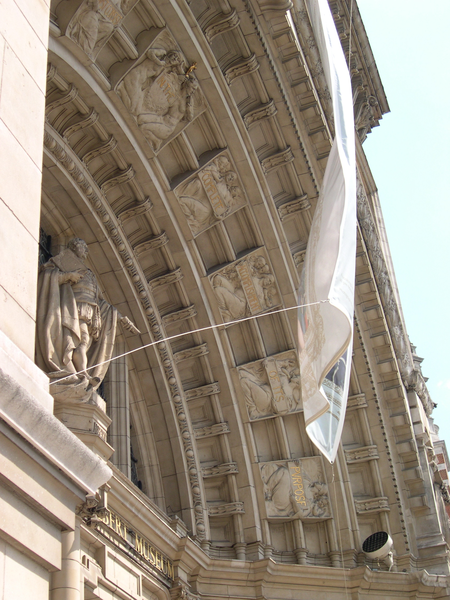 Preview |
Images of London buildings
Shared with the World by Dr Tehmina Goskar
Photographs of the outside of the Victoria and Albert Museum, South Kensington, London.
Shared with the World by Dr Tehmina Goskar
![[img]](http://www.humbox.ac.uk//1656/1/DSCN0530.JPG)
 Preview |
![[img]](http://www.humbox.ac.uk//1656/2/P1020479.JPG)
 Preview |
Images of Salisbury Cathedral
Shared with the World by Dr Tehmina Goskar
Photographs of Salisbury Cathedral, Wiltshire.
Shared with the World by Dr Tehmina Goskar
![[img]](http://www.humbox.ac.uk//1658/1/DSCN2999.JPG)
 Preview |
![[img]](http://www.humbox.ac.uk//1658/2/P1000338.JPG)
 Preview |
Images of Southampton buildings
Shared with the World by Dr Tehmina Goskar
Photographs of buildings and their details in Southampton, Hampshrie, UK.
Shared with the World by Dr Tehmina Goskar
Images of the Hindoos by Balthazar Solvyns
Shared with the World by Dr Matt Phillpott
A selection of images from a collection of two hundred and fifty coloured etchings describing the manners, customs, character, dress, and religious ceremonies of the Hindoos (Hindus) by the Flemish artist Balthazar Solvyns.
Shared with the World by Dr Matt Phillpott
![[img]](http://www.humbox.ac.uk//542/1/History_and_memory_France_resistance_Immigration_Communist_Party.jpg)
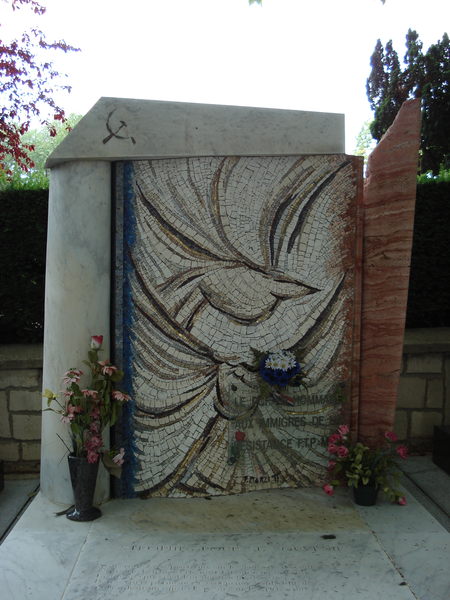 Preview |
![[img]](http://www.humbox.ac.uk//542/2/affiche_rouge_CARAN.JPG)
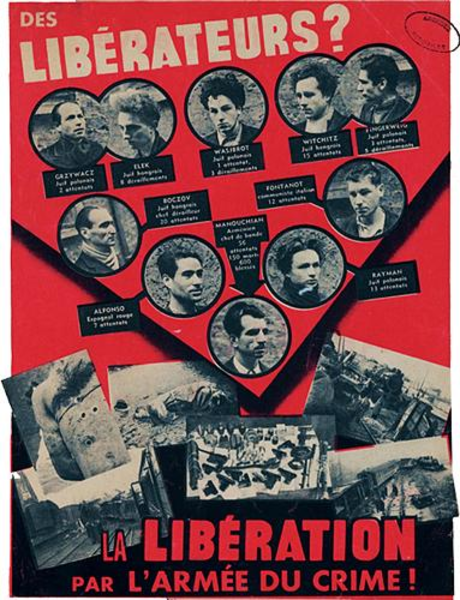 Preview |
Immigrants contribution to the Resistance in France during WWII.
Shared with the World by Mr Emmanuel Godin
Robert Guédiguian’s film Army of crime (2009) should be understood in the context of contemporary debates about French national identity and the contribution of immigrants to French society (see interview with the lead actor,Simon Abkarian). The film throws light on the role played iby anti-fascist refugees from Spain, Hungary, Poland, Armenia, Italy during the Second World War in France (See Official UK Trailer[Youtube]). These refugees, often Jews, close or members of the Communist Party, saw France as the country of human rights and were often the first one to organise resisters’ networks. Fighting in the Communist-led FTP-MOI (Francs-tireurs et partisans – main-d'œuvre immigrée), they were specifically targetted by the Nazis and the Vichy regime, as testified by the infamnous ‘Affiche rouge’. Poetry (Louis Aragon’s 1956 Strophes pour se souvenir) and mortuary monuments (such as the ones to be found in the Pére Lachaise cimetry in Paris, commemorating the role of Spaniards and immigrants in the Resistance movements),have been the traditional media through which their memory has been commemorated. Recently, Toulouse, ‘capital of Spanish republican exile’, has set up a ‘remembrance tour’ of the city. The Ciy Council has produced a (touristic?) leaflet to guide visitors through the major sites of Spanish Resistance (included here). A short bibliography points to the way academic research has also approached the subject.
Shared with the World by Mr Emmanuel Godin
![[img]](http://www.humbox.ac.uk//style/images/fileicons/archive.png)
![[img]](http://www.humbox.ac.uk//style/images/fileicons/other.png)
Interactive timeline of Anglo-Dutch exchanges (50BC-1830)
Shared with the World by Ulrich Tiedau
This interactive multimedial timeline on Anglo-Dutch relations from antiquity to 1830, uses MIT’s Simile technology and is based on the manuscript 'The Stranger’s case : a timeline of Cross-Channel Interactions' by Jaap Harskamp, curator of the Dutch and Flemish collections at the British Library, in which he has compiled and annotated a comprehensive list of over 800 events relating to Anglo-Dutch relations throughout the centuries. It is part of the Open Learning Environment in early modern Low Countries history (http://www.ucl.ac.uk/dutch/OER).
Shared with the World by Ulrich Tiedau
Joining the empire, 1690-1763
Shared with the World by Mrs Lisa Lavender
An Early American Social History audio-lecture on joining the empire, 1690-1763.
Shared with the World by Mrs Lisa Lavender
Preview |
Karel Capek - A Writer for our Times?
Shared with the World by Ms Claire Monaghan
Powerpoint presentation - Information on the life and work of Karel Capek. Used in class to complement lectures
Shared with the World by Ms Claire Monaghan
Preview |
LA Confidential powerpoint
Shared with the World by Mrs Lisa Lavender
Powerpoint slides to aid the criticism and review of the Hollywood movie LA Confidential and its genre
Shared with the World by Mrs Lisa Lavender
Preview |
Latvian Language and Culture through the Ages
Shared with the World by Ms Claire Monaghan
Powerpoint presentation: A description of the development of the Latvian language, as well as folk songs, folk tales, proverbs and beliefs.
This was originally a lecture as part of a series of events relating to Central and Eastern Europe.
Shared with the World by Ms Claire Monaghan
Latvian Language, History and Culture
Shared with the World by Ms Claire Monaghan
A selection of documents used in language and culture lectures covering Latvia's History, Literature, Language, communities, folk art and music
Shared with the World by Ms Claire Monaghan
Preview |
Latvian Language, History, Society and Culture
Shared with the World by Ms Claire Monaghan
A list of internet resources for Honours students studying Latvian Language, History, Society and Culture at beginners’ and intermediate level, as well as for students at all levels who are taking Latvian as their compulsory language as part of the language-based postgraduate degree in Russian, Central and East European Studies.
Shared with the World by Ms Claire Monaghan
Preview |
Map exercise: Important Cities in the Middle Ages
Shared with the World by Dr Matt Phillpott
An exercise to help students remember the name and geographical location of important cities in Medieval Europe.
Shared with the World by Dr Matt Phillpott
Preview |
Mapping Lithuanians: Examining Russian Imperial Ethnic Cartography
Shared with the World by Ms Claire Monaghan
Powerpoint Presentations - Ethnic distribution in the North Western part of the Russian Empire (mid 19th c. – 1914. Ethnic maps depicting Lithuanian distribution in Russian Empire (mid 19th century – 1914. Conference presentations, PhD dissertation
Shared with the World by Ms Claire Monaghan
Preview |
Men and fashion, the age of renunciation
Shared with the World by Mrs Lisa Lavender
An audio-visual lecture presentation on the history of fashion: the age of renunciation, men without fashion.
Shared with the World by Mrs Lisa Lavender
Preview |
Michal Viewegh
Shared with the World by Ms Claire Monaghan
Word document - Information on the life and work of Michal Viewegh. Used as reference material for teaching
Shared with the World by Ms Claire Monaghan
Migration and Settlement
Shared with the World by Mrs Lisa Lavender
An Early American Social History lecture on migration and settlement in Virginia
Shared with the World by Mrs Lisa Lavender
Preview |
Milan Kundera
Shared with the World by Ms Claire Monaghan
Word document - Information on the life and work of Milan Kundera. Used as reference material in teaching.
Shared with the World by Ms Claire Monaghan
Preview |
Milan Kundera´s Unbearable Lightness of Being
Shared with the World by Ms Claire Monaghan
Word document - Review of Milan Kundera´s Unbearable Lightness of Being. Used as reference material in teaching
Shared with the World by Ms Claire Monaghan
National Fairground Archive Images: Acts
Shared with the World by Dr Matt Phillpott
The National Fairground Archive (NFA) is part of the University of Sheffield Library Special Collections.
The online image database contains 1000 photographic images selected from the full database situated at the NFA at the University Library in Sheffield. This collection contains photographs on the subject of Fairground Acts including knife throwing and pythons.
This resource is the copyright of the National Fairground Archive, University of Sheffield (http://www.nfa.dept.shef.ac.uk/) and has been made available with their permission. Some rights reserved (see terms of licence by clicking on the CC licence logo below).
Shared with the World by Dr Matt Phillpott
National Fairground Archive Images: Circus
Shared with the World by Dr Matt Phillpott
The National Fairground Archive (NFA) is part of the University of Sheffield Library Special Collections.
The online image database contains 1000 photographic images selected from the full database situated at the NFA at the University Library in Sheffield. This collection contains photographs of the circus at various fairgrounds.
This resource is the copyright of the National Fairground Archive, University of Sheffield (http://www.nfa.dept.shef.ac.uk/) and has been made available with their permission. Some rights reserved (see terms of licence by clicking on the CC licence logo below).
Shared with the World by Dr Matt Phillpott
National Fairground Archive Images: Fairground Shows
Shared with the World by Dr Matt Phillpott
The National Fairground Archive (NFA) is part of the University of Sheffield Library Special Collections.
The online image database contains 1000 photographic images selected from the full database situated at the NFA at the University Library in Sheffield. This collection contains photographs of the various shows that can be found at fairs, including oddities and curiosities, westerns, menageries and funhouses.
This resource is the copyright of the National Fairground Archive, University of Sheffield (http://www.nfa.dept.shef.ac.uk/) and has been made available with their permission. Some rights reserved (see terms of licence by clicking on the CC licence logo below).
Shared with the World by Dr Matt Phillpott
National Fairground Archive Images: Fairground Stalls
Shared with the World by Dr Matt Phillpott
The National Fairground Archive (NFA) is part of the University of Sheffield Library Special Collections.
The online image database contains 1000 photographic images selected from the full database situated at the NFA at the University Library in Sheffield. This collection contains photographs of various types of Fairground stalls.
This resource is the copyright of the National Fairground Archive, University of Sheffield (http://www.nfa.dept.shef.ac.uk/) and has been made available with their permission. Some rights reserved (see terms of licence by clicking on the CC licence logo below).
Shared with the World by Dr Matt Phillpott
National Fairground Archive Images: Fairground machines
Shared with the World by Dr Matt Phillpott
The National Fairground Archive (NFA) is part of the University of Sheffield Library Special Collections.
The online image database contains 1000 photographic images selected from the full database situated at the NFA at the University Library in Sheffield. This collection contains photographs on the subject of fairground machines including the big wheel and chairoplanes.
This resource is the copyright of the National Fairground Archive, University of Sheffield (http://www.nfa.dept.shef.ac.uk/) and has been made available with their permission. Some rights reserved (see terms of licence by clicking on the CC licence logo below).
Shared with the World by Dr Matt Phillpott
National Fairground Archive Images: Juvenile
Shared with the World by Dr Matt Phillpott
The National Fairground Archive (NFA) is part of the University of Sheffield Library Special Collections.
The online image database contains 1000 photographic images selected from the full database situated at the NFA at the University Library in Sheffield. This collection contains photographs on the subject of juvenile rides (fairground rides for young children).
This resource is the copyright of the National Fairground Archive, University of Sheffield (http://www.nfa.dept.shef.ac.uk/) and has been made available with their permission. Some rights reserved (see terms of licence by clicking on the CC licence logo below).
Shared with the World by Dr Matt Phillpott
National Fairground Archive Images: Living Wagons
Shared with the World by Dr Matt Phillpott
The National Fairground Archive (NFA) is part of the University of Sheffield Library Special Collections.
The online image database contains 1000 photographic images selected from the full database situated at the NFA at the University Library in Sheffield. This collection contains photographs of living wagons.
This resource is the copyright of the National Fairground Archive, University of Sheffield (http://www.nfa.dept.shef.ac.uk/) and has been made available with their permission. Some rights reserved (see terms of licence by clicking on the CC licence logo below).
Shared with the World by Dr Matt Phillpott
National Fairground Archive Images: People at the Fair
Shared with the World by Dr Matt Phillpott
The National Fairground Archive (NFA) is part of the University of Sheffield Library Special Collections.
The online image database contains 1000 photographic images selected from the full database situated at the NFA at the University Library in Sheffield. This collection contains photographs on people at the Fair.
This resource is the copyright of the National Fairground Archive, University of Sheffield (http://www.nfa.dept.shef.ac.uk/) and has been made available with their permission. Some rights reserved (see terms of licence by clicking on the CC licence logo below).
Shared with the World by Dr Matt Phillpott
National Fairground Archive Images: Transport
Shared with the World by Dr Matt Phillpott
The National Fairground Archive (NFA) is part of the University of Sheffield Library Special Collections.
The online image database contains 1000 photographic images selected from the full database situated at the NFA at the University Library in Sheffield. This collection contains photographs on the subject of fairground transport.
This resource is the copyright of the National Fairground Archive, University of Sheffield (http://www.nfa.dept.shef.ac.uk/) and has been made available with their permission. Some rights reserved (see terms of licence by clicking on the CC licence logo below).
Shared with the World by Dr Matt Phillpott
National Fairground Archive Images: customs and ceremonies
Shared with the World by Dr Matt Phillpott
The National Fairground Archive (NFA) is part of the University of Sheffield Library Special Collections.
The online image database contains 1000 photographic images selected from the full database situated at the NFA at the University Library in Sheffield. This collection contains photographs on the subject of customs and ceremonies to be seen at the Fair.
This resource is the copyright of the National Fairground Archive, University of Sheffield (http://www.nfa.dept.shef.ac.uk/) and has been made available with their permission. Some rights reserved (see terms of licence by clicking on the CC licence logo below).
Shared with the World by Dr Matt Phillpott
National Fairground Archive Images: publicity
Shared with the World by Dr Matt Phillpott
The National Fairground Archive (NFA) is part of the University of Sheffield Library Special Collections.
The online image database contains 1000 photographic images selected from the full database situated at the NFA at the University Library in Sheffield. This collection contains photographs of publicity for the fairs.
This resource is the copyright of the National Fairground Archive, University of Sheffield (http://www.nfa.dept.shef.ac.uk/) and has been made available with their permission. Some rights reserved (see terms of licence by clicking on the CC licence logo below).
Shared with the World by Dr Matt Phillpott
Native American Response
Shared with the World by Mrs Lisa Lavender
An Early American Social History lecture on the native american response to migration and settlement
Shared with the World by Mrs Lisa Lavender
Preview |
Preview |
O Candomblé é uma religião Afro-Brasileira
Shared with the World by Mr Emmanuel Godin
This podcast in Portuguese was created by Emilia Kroprowska ,a student of Spanish and Latin American Studies at the School of Languages and Area Studies, University of Portsmouth, as a part of a research project entitled ‘The Role of Student Audio Casting and Production in the Language Learning Curriculum’. The podcast was created using Audacity recording software and enhanced with free images using Windows Movie Maker. The recording is based on the student’s own original research carried out in the year 2007 - 2008. The theme is the Afro-Brazilian religion Candomblé. The recording describes the religion’s origins in Africa, the means by which it was brought to Brazil, and subsequently adapted over the centuries. The recording also explains the theology, beliefs and rituals which are most characteristic of Candomblé. The podcast can be used as a learning resource in several different ways: as a focus for discussion, aural comprehension or as a base for further research by students in the field of Lusophone, Brazilian and Latin American studies. A transcription of the podcast including original photos is also provided.
Shared with the World by Mr Emmanuel Godin
Preview |
Preview |
O Papel do Sacrifício no Candomblé
Shared with the World by Mr Emmanuel Godin
This podcast in Portuguese was created by Emilia Kroprowska ,a student of Spanish and Latin American Studies at the School of Languages and Area Studies, University of Portsmouth, as a part of a research project entitled ‘The Role of Student Audio Casting and Production in the Language Learning Curriculum’. The podcast was created using Audacity recording software and enhanced with free images using Windows Movie Maker. The recording is based on the student’s own original research carried out in the year 2007 - 2008. The theme is the Afro-Brazilian religion Candomblé. Ritual sacrifice of animals is a feature of this religion, a practice which is frequently misunderstood by people not familiar with the religion. The recording, based on an interview with a Brazilian practitioner of Candomblé, explains the true significance of this ritual and its meaning within the context of the religion as a whole. The podcast can be used as a learning resource in several different ways: as a focus for discussion, aural comprehension or as a base for further research by students in the field of Lusophone, Brazilian and Latin American studies. A transcript of the podcast is also provided.
Shared with the World by Mr Emmanuel Godin
Origins of Empire: Early America
Shared with the World by Mrs Lisa Lavender
An Early American Social History lecture on the origins of empire, Ireland, roanoke, 1550-1600
Shared with the World by Mrs Lisa Lavender
Pagans, Christians and Heretics in Medieval Europe
Shared with the World by Dr Matt Phillpott
A collection of seminar sheets (containing exercises, suggested reading and questions to consider) for the module entitled 'Pagans, Christians and Heretics in Medieval Europe'.
Shared with the World by Dr Matt Phillpott
Preview |
Pagans, Christians and Heretics in Medieval Europe: Anglo-Saxon (and Irish) Missions to the Continent
Shared with the World by Dr Matt Phillpott
Preparation sheet for students studying Anglo-Saxon and Irish Missions to the Continent.
Shared with the World by Dr Matt Phillpott
Preview |
Pagans, Christians and Heretics in Medieval Europe: Charles and Saxony
Shared with the World by Dr Matt Phillpott
Preparation sheet for students studying Charlemagne, Boniface and the conversion of Saxony.
Shared with the World by Dr Matt Phillpott
Preview |
Preview |
Pagans, Christians and Heretics in Medieval Europe: Cistercians - Prayer and Power
Shared with the World by Dr Matt Phillpott
Preparation sheet for students studying the Cistercians. Accompanied by an extract from Bernard of Clairvaux's Apology, with questions for students to consider.
Shared with the World by Dr Matt Phillpott
Preview |
Pagans, Christians and Heretics in Medieval Europe: Concepts of Conversion
Shared with the World by Dr Matt Phillpott
Preparation sheet for students studying concepts of conversion in the Middle Ages. This seminar focuses on the idea of conversion in early medieval Europe.
Shared with the World by Dr Matt Phillpott
Preview |
Preview |
Pagans, Christians and Heretics in Medieval Europe: Constantine
Shared with the World by Dr Matt Phillpott
A preparation sheet and related exercise for students studying Emperor Constantine, with suggested reading, exercises and questions to be considered for a seminar. The exercise is a comparison of two primary accounts - Lactantius and Eusebius of Cesarea.
Shared with the World by Dr Matt Phillpott
Preview |
Preview |
Pagans, Christians and Heretics in Medieval Europe: Gregory the Great and the Conversion of the English
Shared with the World by Dr Matt Phillpott
Preparation sheet for students studying Gregory the Great and the Conversion of the English. The accompanying exercise is based on an extract from Bede's Ecclesiastical History. In this exercise students are asked to study a passage and analyse Gregory's motives and Bede's own concerns.
Shared with the World by Dr Matt Phillpott
Preview |
Pagans, Christians and Heretics in Medieval Europe: Heresy and the Cathars
Shared with the World by Dr Matt Phillpott
Preparation sheet for students studying heresy and the Cathars.
Shared with the World by Dr Matt Phillpott
Preview |
Preview |
Pagans, Christians and Heretics in Medieval Europe: Investiture Contest
Shared with the World by Dr Matt Phillpott
Preparation sheet for students studying the investiture contest. The accompanying extract is taken from Lampert of Hersfeld about the submission of Henry IV to Gregory VII at Canossa (January 1077). The exercise asks students questions about the extract.
Shared with the World by Dr Matt Phillpott
Preview |
Preview |
Pagans, Christians and Heretics in Medieval Europe: Julian the Apostate
Shared with the World by Dr Matt Phillpott
Preparation sheet and exercise for students studying Julian the Apostate. The exercise is an analysis of Julian's 'The Caesars'.
Shared with the World by Dr Matt Phillpott
Preview |
Preview |
Pagans, Christians and Heretics in Medieval Europe: King Clovis and the Franks
Shared with the World by Dr Matt Phillpott
Preparation sheet and associated exercise for students studying King Clovis (c. 481-511) and the Franks, with suggested reading, and questions to be considered. The exercise is an extract from Gregory of Tours about Clovis' conversion.
Shared with the World by Dr Matt Phillpott
Preview |
Pagans, Christians and Heretics in Medieval Europe: Persecution
Shared with the World by Dr Matt Phillpott
Preparation sheet for students studying about persecution in the late Middle Ages.
Shared with the World by Dr Matt Phillpott
Preview |
Pagans, Christians and Heretics in Medieval Europe: Sutton Hoo
Shared with the World by Dr Matt Phillpott
Preparation sheet for students studying Sutton Hoo.
Shared with the World by Dr Matt Phillpott
Preview |
Pagans, Christians and Heretics in Medieval Europe: The Crusades
Shared with the World by Dr Matt Phillpott
Preparation sheet for students studying the Crusades
Shared with the World by Dr Matt Phillpott
Preview |
Preview |
Pagans, Christians and Heretics in Medieval Europe: The Vikings
Shared with the World by Dr Matt Phillpott
Preparation sheet for students studying the Vikings. The accompanying exercise asks students to examine an extract from the Anglo-Saxon Chronicle about the Viking attack on Lindisfarne in 793 AD.
Shared with the World by Dr Matt Phillpott
Preview |
Pagans, Christians and Heretics in Medieval Europe: Twelfth-Century Renaissance
Shared with the World by Dr Matt Phillpott
Preparation sheet for students studying about the twelfth-century renaissance.
Shared with the World by Dr Matt Phillpott
Parliament in Crisis: 1832 and 2009
Shared with the World by Mrs Lisa Lavender
Parliament in Crisis: Professor Mark Knights chairs a podcast discussion on Parliament in 1832 and 2009, with Dr Joe Hardwick and Dr Sarah Richardson
Shared with the World by Mrs Lisa Lavender
![[img]](http://www.humbox.ac.uk//548/1/Histroy_and_memory_France_Paris_antisemitism_deporation_school.jpg)
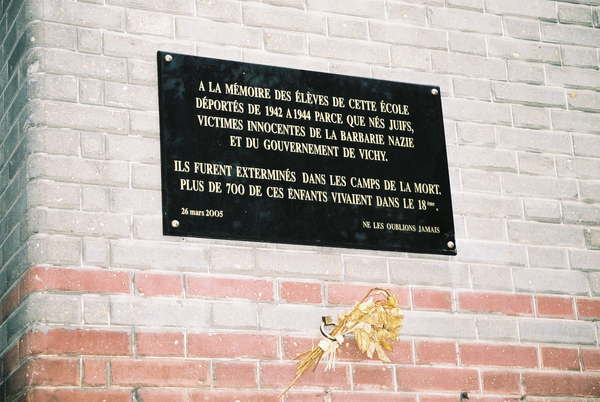 Preview |
President Chirac's (1995-2007) stance on the Vichy regime and antisemitism.
Shared with the World by Mr Emmanuel Godin
After President Chirac's official recognition (1995) that France actively participated in deportation of Jews, commemorative plaques were erected on the wall of each Parisian school stipulating the number of children who had been deported in each 'arrondissement'. (Here a plaque in the XVIII arrondissement, from which more than 700 Jewish children were rounded up by the French police before being deported). Chirac's 1995 discourse (here included in French) about the responsibility of the French state in the deportation of Jews marked a departure from the previous Gaullist orthodoxy. On the occasion of the official opening of the new exhibition in the French pavilion of the Auschwitz-Birkenau Memorial and Museum in January 2005, President Chirac reflected on the impact of the Holocaust on France (text in English). A few days before, President Chirac inaugurated the 'Memorial de la Shoah' in the IV arrondissement of Paris. Just outside the Memorial, 'Le Mur des Justes' (Righteous among the Nations) commemorates the French people who risked their lives to save Jews from extermination during the Occupation (6 photos included). Facing the 'Murs des Justes', in a street recently remaned 'Allée des Justes', a commemorative plaque adornes the door of the local secondary school (College Frederic Couperin, Photo included. It reminds passers-by that out of the 11,000 Jewish children arrested by the Vichy police in France between 1942 and 1944, 500 came from the 4th arrondissement of Paris. They were deported to Auschwitz.
A Weblink to the INA site (Institut National de l'Audiovisuel) will enable visitors to see how the French television channel France 2 covered the event. This resource also includes a link to the Memorial de la Shoah in Paris, a site which provides invaluable resources (see in particular its 'Centre de Documentation Juive Contemporaine'.
Students with a good understanding of postwar politics and history may want to use these sources to explain why Chirac broke from the postwar Gaullist narrative.
Shared with the World by Mr Emmanuel Godin
Preview |
Primary Source Perpetua exercise
Shared with the World by Dr Matt Phillpott
Exercise designed to help students to analyse a primary source. This exercise is based upon a translation of the martyrdom of Perpetua, a member of the church of Carthage in the early 3rd century AD.
Shared with the World by Dr Matt Phillpott
Professorial Lecture: Professor Martial Staub - Exiling History
Shared with the World by Dr Matt Phillpott
Podcast of lecture given on Wednesday 10 May 2006 entitled 'Exiling History' by Professor Martial Staub.
Shared with the World by Dr Matt Phillpott
Professorial Lecture: Professor Robert Shoemaker - Learning about Crime
Shared with the World by Dr Matt Phillpott
'Learning about Crime' by Professor Robert Shoemaker, Department of History, given Wednesday 21 May 2008. Also includes short talks about the newly expanded version of Old Bailey Proceedings Online Website by Professor Clive Emsley (Open University) and Professor Tim Hitchcock (University of Hertfordshire).
Shared with the World by Dr Matt Phillpott
Professorial Lectures held at the University of Sheffield
Shared with the World by Dr Matt Phillpott
A series of Inaugural Professorial Lectures held at the University of Sheffield under the auspices of the Humanities Research Institute.
Shared with the World by Dr Matt Phillpott
Religious Revivals 1700-1775
Shared with the World by Mrs Lisa Lavender
An Early American Social History audio-lecture on the religious revivals in 1700-1775
Shared with the World by Mrs Lisa Lavender
Preview |
Revision: Pagans, Christians and Heretics in Medieval Europe
Shared with the World by Dr Matt Phillpott
A revision exercise to help students recall what they have learnt at the end of the module: Pagans, Christians and Heretics in Medieval Europe. This exercise could be adapted for other modules.
Shared with the World by Dr Matt Phillpott
Rumeur et Bien Public dans Les Ligues Provinciales Catholiques: l'exemple de Laon
Shared with the World by Dr Matt Phillpott
Mark Greengrass, 'Rumeur et Bien Public dans Les Ligues Provinciales Catholiques: l'exemple de Laon'. Presented 17 July 2008. Discusses in particular Jean Bodin and the Catholic League.
Shared with the World by Dr Matt Phillpott
Samuel Hartlib, the Republic of Letters and the English Commonwealth
Shared with the World by Dr Matt Phillpott
Mark Greengrass, 'Technology and Tolerance during the Commonwealth: Samuel Hartlib and the Republic of Letters'. Given 27 March 1999 at the Colloque 1'Universite de Paris-X.
Shared with the World by Dr Matt Phillpott
Slovene Culture and Civilization
Shared with the World by Ms Claire Monaghan
Powerpoint presentations on various topics, covering different aspects of Slovene culture and civilization.
Language, Geography and Tourism, History and Legends, Traditional Slovenia, Slovenia Today, Culture, Literature, Famous Slovenes. Used as teaching aids for modules about Slovene culture and other language modules to explain certain aspects of Slovenia
Shared with the World by Ms Claire Monaghan
Preview |
Slovene History and Legends
Shared with the World by Ms Claire Monaghan
Powerpoint presentation used in modules covering Slovene Language and culture. Explores the history and legends of Slovenia
Shared with the World by Ms Claire Monaghan
Preview |
Slovene Traditions
Shared with the World by Ms Claire Monaghan
Powerpoint presentation used in Slovene language and culture lectures. Explores the history and cultural traditions of Slovenia
Shared with the World by Ms Claire Monaghan
Preview |
Stalin’s Consolidation of Power, 1924-41
Shared with the World by Ms Claire Monaghan
Word Document, Lecture - Stalin’s Consolidation of Power, 1924-41
Shared with the World by Ms Claire Monaghan
Preview |
Statistics for the humanities
Shared with the World by Dr John Canning
Statistics for the Humanities is now available as an open access e-book (PDF format only at present).
The book is aimed primarily at undergraduate humanities students, especially those who have not studied mathematics since the age of 16.
Shared with the World by Dr John Canning
Student interviews: studying history in action
Shared with the University by Ms Kate Borthwick
These interviews were recorded on 12th May, 2012, at an event marking the 75th anniversary of the arrival in Southampton of child refugees from Bilbao. Interviews were conducted by Pedro Garcia-Guirao during the event. The first interview, with Elena, is in English. The subsequent interviews, with Lloyd and Johnny, are in Spanish. All three students talk about the event and the experience of studying Spanish history and of meeting, in person, individuals who played a role in that history. All use and versions of this material should be attributed. Please cite this work as: OpenLIVES project (2012). An open collection of research data and teaching materials relating to Spanish migrant stories. JISC
Shared with the University by Ms Kate Borthwick
Preview |
Preview |
Sustainability and the Humanities
Shared with the World by Dr Alex Ryan
This resource contains materials from a conference on 'Sustainability and the Humanities' held at Cardiff University on the 10th May 2010.
The event was organised and led by Professor Geoffrey Samuel, Cardiff University and Dr Alex Ryan, University of Gloucestershire and Honorary Research Associate at Cardiff University. It was jointly arranged through the Body, Health and Religion Research Group (BAHAR) and the Cardiff Humanities Research Institute.
Resources available here include the event programme and a PDF containing key slides from the welcome address by Dr Alex Ryan, outlining thematic connections between humanities disciplines and how they can engage with sustainability in academic practice, both in research and in reorienting teaching and learning.
Audiovisual files from the headline presentations by Professor Geoffrey Samuel, Dr Colin Brooks, Professor Barbara Adam and Professor Justin Lewis can also be accessed at: http://www.bodyhealthreligion.org.uk/BAHAR/sustainability.html
Shared with the World by Dr Alex Ryan
Preview |
Teaching Visual Sources - Reading Images
Shared with the World by Mrs Lisa Lavender
This powerpoint presentation from a workshop on 'teaching visual sources' discusses how to encourage students to think critically about visual images and how to increase awareness of how they could have been read differently in the past.
Shared with the World by Mrs Lisa Lavender
The 'Disenchantment' of Early Modern Europe c. 1570-1770
Shared with the World by Dr Matt Phillpott
This course explores the fundamental shifts in mental attitudes and public behaviour that occurred in Europe between the age of the Reformation and the age of the Enlightenment. The central focus of the module is to explore the changing ways in which beliefs impinged on people’s lives at various social levels. These seminar outlines and associated exercises were designed for the 2007-2008 session.
Shared with the World by Dr Matt Phillpott
Preview |
The 'Disenchantment' of Early Modern Europe c. 1570-1770 Seminar Programme
Shared with the World by Dr Matt Phillpott
Seminar programme for HST115: The 'Disenchantment' of Early Modern Europe c. 1570-1770, produced for the 2007 session at the Department of History, University of Sheffield.
Shared with the World by Dr Matt Phillpott
Preview |
The 'Disenchantment' of Early Modern Europe: Seminar 01: Introduction
Shared with the World by Dr Matt Phillpott
Seminar outline for HST115: The 'Disenchantment' of Early Modern Europe c. 1570-1770, produced for the 2007 session at the Department of History, University of Sheffield.
Shared with the World by Dr Matt Phillpott
Preview |
Preview |
The 'Disenchantment' of Early Modern Europe: Seminar 02: Astrology
Shared with the World by Dr Matt Phillpott
Seminar outline for HST115: The 'Disenchantment' of Early Modern Europe c. 1570-1770, produced for the 2007 session at the Department of History, University of Sheffield. Also includes a Source exercise about Early Modern Astrology. Students are separated into two groups and each given one side of the debate from texts by John Webster and Seth Ward(for or against astrology). They are then asked to analyse the extracts for context and point of view and use the question sheet as a rough guide.
Shared with the World by Dr Matt Phillpott
Preview |
Preview |
The 'Disenchantment' of Early Modern Europe: Seminar 03: The Impact of a Substantial European Print Culture
Shared with the World by Dr Matt Phillpott
Seminar outline for HST115: The 'Disenchantment' of Early Modern Europe c. 1570-1770, produced for the 2007 session at the Department of History, University of Sheffield. Includes a handout/presentation on the printing press and associated photographs.
Shared with the World by Dr Matt Phillpott
Preview |
Preview |
The 'Disenchantment' of Early Modern Europe: Seminar 04: Witchcraft
Shared with the World by Dr Matt Phillpott
Seminar outline for HST115: The 'Disenchantment' of Early Modern Europe c. 1570-1770, produced for the 2007 session at the Department of History, University of Sheffield. Includes an exercise for students to read and analyse extracts about witchcraft beliefs by George Gifford and Jean Bodin. Related to this exercise are brief summaries of four primary sources on witchcraft: Nicholas Remy, Demonolatry (1595); George Gifford, A Dialogue concerning witches & witchcraft (1593); Trials of Witches at crossroads of Marlou (1582-3); and Loudon Possession cases (1634/1637).
Shared with the World by Dr Matt Phillpott
Preview |
The 'Disenchantment' of Early Modern Europe: Seminar 05: Patriarchal Authority: Princes and Fathers
Shared with the World by Dr Matt Phillpott
Seminar outline for HST115: The 'Disenchantment' of Early Modern Europe c. 1570-1770, produced for the 2007 session at the Department of History, University of Sheffield.
Shared with the World by Dr Matt Phillpott
Preview |
The 'Disenchantment' of Early Modern Europe: Seminar 06: Deathbeds
Shared with the World by Dr Matt Phillpott
Seminar outline for HST115: The 'Disenchantment' of Early Modern Europe c. 1570-1770, produced for the 2007 session at the Department of History, University of Sheffield.
Shared with the World by Dr Matt Phillpott
Preview |
The 'Disenchantment' of Early Modern Europe: Seminar 07: Censorship
Shared with the World by Dr Matt Phillpott
Seminar outline for HST115: The 'Disenchantment' of Early Modern Europe c. 1570-1770, produced for the 2007 session at the Department of History, University of Sheffield.
Shared with the World by Dr Matt Phillpott
Preview |
The 'Disenchantment' of Early Modern Europe: Seminar 08: The Galileo Affair
Shared with the World by Dr Matt Phillpott
Seminar outline for HST115: The 'Disenchantment' of Early Modern Europe c. 1570-1770, produced for the 2007 session at the Department of History, University of Sheffield.
Shared with the World by Dr Matt Phillpott
Preview |
Preview |
The 'Disenchantment' of Early Modern Europe: Seminar 09: Rituals of the Workplace
Shared with the World by Dr Matt Phillpott
Seminar outline for HST115: The 'Disenchantment' of Early Modern Europe c. 1570-1770, produced for the 2007 session at the Department of History, University of Sheffield. Includes an exercise on the story of the cat massacre by Nicholas Contat (1730s). In this exercise students are asked to examine the highlighted parts of the story. With help from the tutor they should be able to pick out themes about rituals at the workplace.
Shared with the World by Dr Matt Phillpott
Preview |
Preview |
The 'Disenchantment' of Early Modern Europe: Seminar 10: Early Modern Suicide
Shared with the World by Dr Matt Phillpott
Seminar outline for HST115: The 'Disenchantment' of Early Modern Europe c. 1570-1770, produced for the 2007 session at the Department of History, University of Sheffield. Includes an accompanying handout. Students are asked to discuss the opposing viewpoints of Michael MacDonald and Donna T. Andrew about suicide from the two related articles summarised on the sheet.
Shared with the World by Dr Matt Phillpott
![[img]](http://www.humbox.ac.uk//style/images/fileicons/video.png)
![[img]](http://www.humbox.ac.uk//537/2/Belsen_1.jpg)
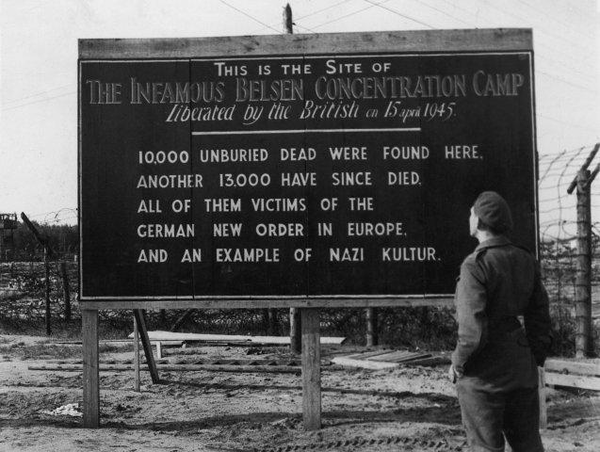 Preview |
The Beasts of Belsen
Shared with the World by Dr Deirdre Burke
This resource is based around a newsfilm archive item 'The Beasts of Belsen,' using the GLO maker to develop interactive activities for students.
Shared with the World by Dr Deirdre Burke
The Glorious Revolution of the 1680s
Shared with the World by Mrs Lisa Lavender
An Early American Social History audio-lecture on the Glorious Revolution of the 1680s
Shared with the World by Mrs Lisa Lavender
![[img]](http://www.humbox.ac.uk//1091/1/manners_customs_and_dresses_of_the_hindoos_046.jpg)
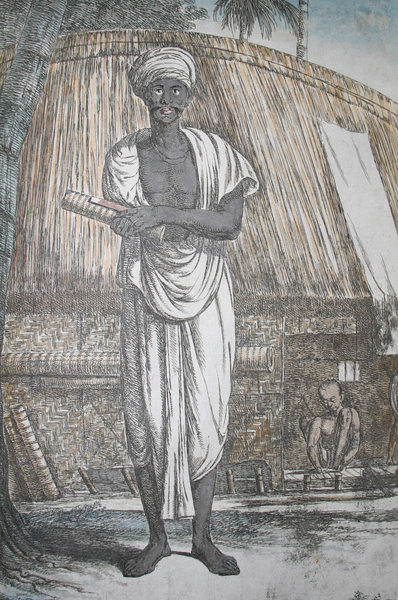 Preview |
The Hindoos: Image of Aboyty
Shared with the World by Dr Matt Phillpott
Image of Aboyty. Taken from a collection of two hundred and fifty coloured etchings descriptive of the manners, customs, character, dress, and religious ceremonies of the Hindoos by Balthazar Solvyns. The original copy of this image can be found at the Roderic Bowen Library and Archives, University of Wales Lampeter.
Shared with the World by Dr Matt Phillpott
![[img]](http://www.humbox.ac.uk//1047/1/manners_customs_and_dresses_of_the_hindoos_014.jpg)
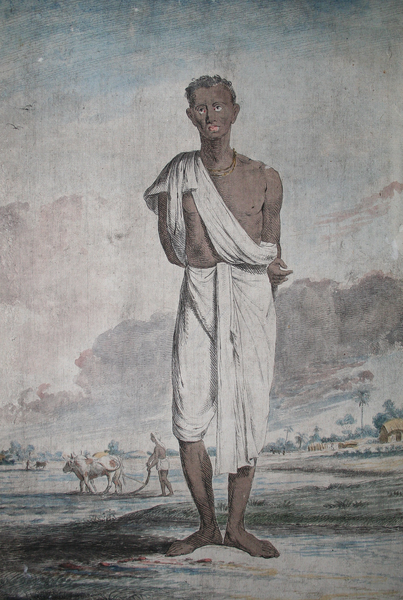 Preview |
The Hindoos: Image of Augrees
Shared with the World by Dr Matt Phillpott
Image of Augrees. Taken from a collection of two hundred and fifty coloured etchings descriptive of the manners, customs, character, dress, and religious ceremonies of the Hindoos by Balthazar Solvyns. The original copy of this image can be found at the Roderic Bowen Library and Archives, University of Wales Lampeter.
Shared with the World by Dr Matt Phillpott
![[img]](http://www.humbox.ac.uk//1092/1/manners_customs_and_dresses_of_the_hindoos_047.jpg)
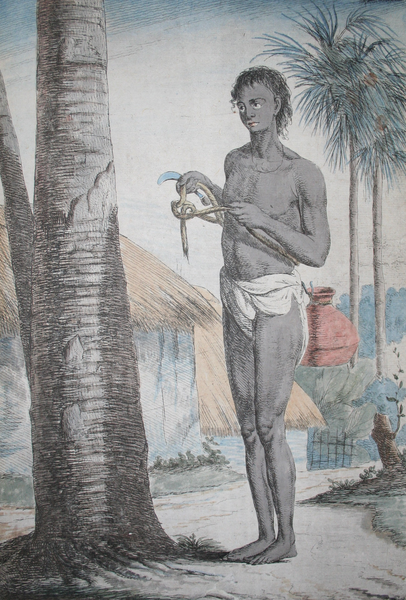 Preview |
The Hindoos: Image of a Seuly
Shared with the World by Dr Matt Phillpott
Image of a Seuly. Taken from a collection of two hundred and fifty coloured etchings descriptive of the manners, customs, character, dress, and religious ceremonies of the Hindoos by Balthazar Solvyns. The original copy of this image can be found at the Roderic Bowen Library and Archives, University of Wales Lampeter.
Shared with the World by Dr Matt Phillpott
![[img]](http://www.humbox.ac.uk//1085/1/manners_customs_and_dresses_of_the_hindoos_040.jpg)
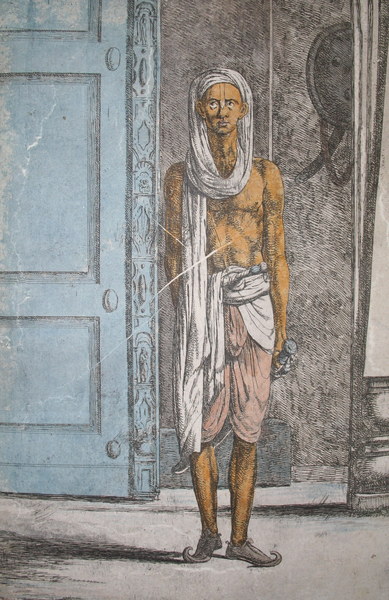 Preview |
The Hindoos: Image of a B'haut
Shared with the World by Dr Matt Phillpott
Image of a B'haut. Taken from a collection of two hundred and fifty coloured etchings descriptive of the manners, customs, character, dress, and religious ceremonies of the Hindoos by Balthazar Solvyns. The original copy of this image can be found at the Roderic Bowen Library and Archives, University of Wales Lampeter.
Shared with the World by Dr Matt Phillpott
![[img]](http://www.humbox.ac.uk//1048/1/manners_customs_and_dresses_of_the_hindoos_015.jpg)
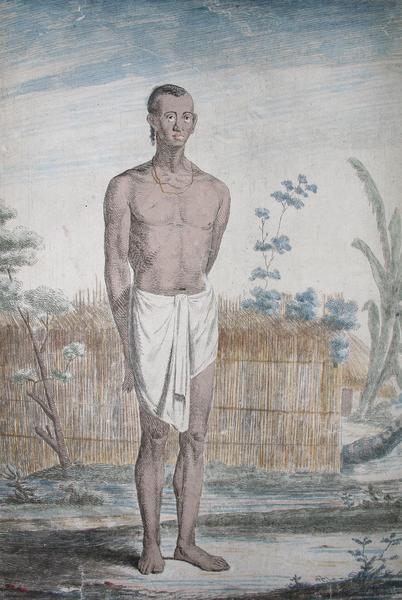 Preview |
The Hindoos: Image of a Beraye
Shared with the World by Dr Matt Phillpott
Image of a Beraye. Taken from a collection of two hundred and fifty coloured etchings descriptive of the manners, customs, character, dress, and religious ceremonies of the Hindoos by Balthazar Solvyns. The original copy of this image can be found at the Roderic Bowen Library and Archives, University of Wales Lampeter.
Shared with the World by Dr Matt Phillpott
![[img]](http://www.humbox.ac.uk//1062/1/manners_customs_and_dresses_of_the_hindoos_029.jpg)
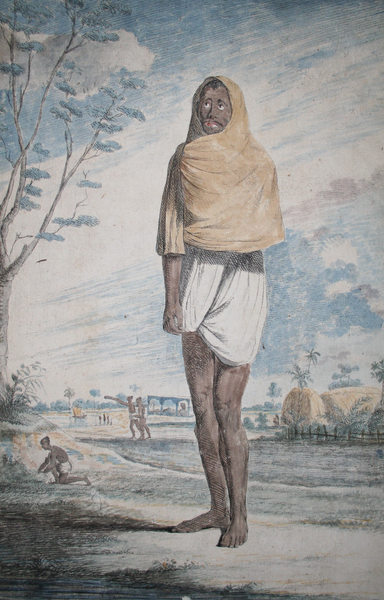 Preview |
The Hindoos: Image of a Bowry
Shared with the World by Dr Matt Phillpott
Image of a Bowry. Taken from a collection of two hundred and fifty coloured etchings descriptive of the manners, customs, character, dress, and religious ceremonies of the Hindoos by Balthazar Solvyns. The original copy of this image can be found at the Roderic Bowen Library and Archives, University of Wales Lampeter.
Shared with the World by Dr Matt Phillpott
![[img]](http://www.humbox.ac.uk//1035/1/manners_customs_and_dresses_of_the_hindoos_004.jpg)
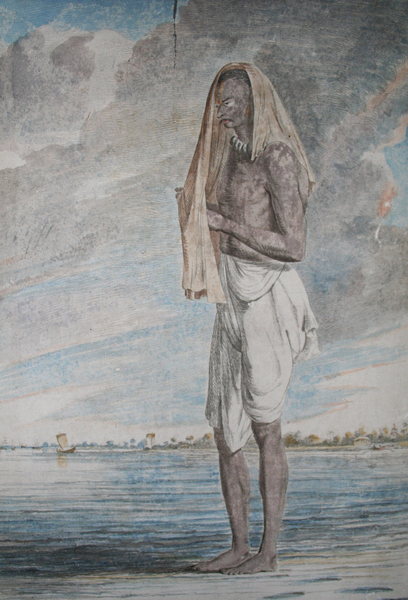 Preview |
The Hindoos: Image of a Brijbasi, Brahmun
Shared with the World by Dr Matt Phillpott
Image of a Brijbasi, Brahmun. Taken from a collection of two hundred and fifty coloured etchings descriptive of the manners, customs, character, dress, and religious ceremonies of the Hindoos by Balthazar Solvyns. The original copy of this image can be found at the Roderic Bowen Library and Archives, University of Wales Lampeter.
Shared with the World by Dr Matt Phillpott
![[img]](http://www.humbox.ac.uk//1039/1/manners_customs_and_dresses_of_the_hindoos_007.jpg)
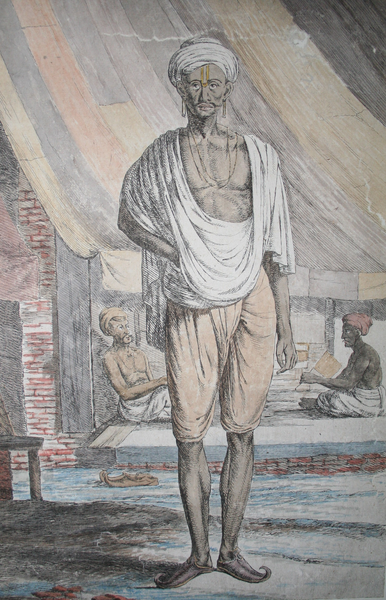 Preview |
The Hindoos: Image of a Byce
Shared with the World by Dr Matt Phillpott
Image of a Byce. Taken from a collection of two hundred and fifty coloured etchings descriptive of the manners, customs, character, dress, and religious ceremonies of the Hindoos by Balthazar Solvyns. The original copy of this image can be found at the Roderic Bowen Library and Archives, University of Wales Lampeter.
Shared with the World by Dr Matt Phillpott
![[img]](http://www.humbox.ac.uk//1044/1/manners_customs_and_dresses_of_the_hindoos_011.jpg)
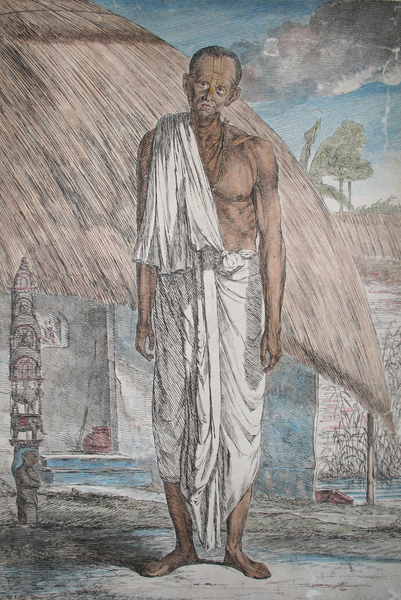 Preview |
The Hindoos: Image of a Byde
Shared with the World by Dr Matt Phillpott
Image of a Byde. Taken from a collection of two hundred and fifty coloured etchings descriptive of the manners, customs, character, dress, and religious ceremonies of the Hindoos by Balthazar Solvyns. The original copy of this image can be found at the Roderic Bowen Library and Archives, University of Wales Lampeter.
Shared with the World by Dr Matt Phillpott
![[img]](http://www.humbox.ac.uk//1055/1/manners_customs_and_dresses_of_the_hindoos_022.jpg)
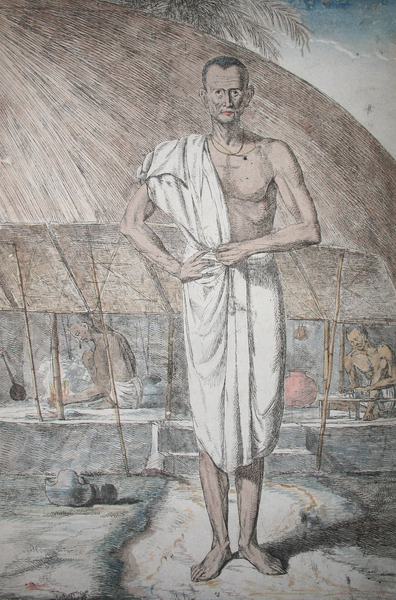 Preview |
The Hindoos: Image of a Cansaury
Shared with the World by Dr Matt Phillpott
Image of a Cansaury. Taken from a collection of two hundred and fifty coloured etchings descriptive of the manners, customs, character, dress, and religious ceremonies of the Hindoos by Balthazar Solvyns. The original copy of this image can be found at the Roderic Bowen Library and Archives, University of Wales Lampeter.
Shared with the World by Dr Matt Phillpott
![[img]](http://www.humbox.ac.uk//1045/1/manners_customs_and_dresses_of_the_hindoos_012.jpg)
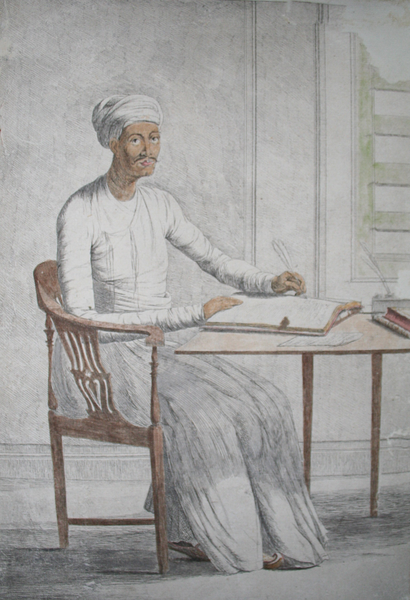 Preview |
The Hindoos: Image of a Causto
Shared with the World by Dr Matt Phillpott
Image of a Causto. Taken from a collection of two hundred and fifty coloured etchings descriptive of the manners, customs, character, dress, and religious ceremonies of the Hindoos by Balthazar Solvyns. The original copy of this image can be found at the Roderic Bowen Library and Archives, University of Wales Lampeter.
Shared with the World by Dr Matt Phillpott
![[img]](http://www.humbox.ac.uk//1089/1/manners_customs_and_dresses_of_the_hindoos_044.jpg)
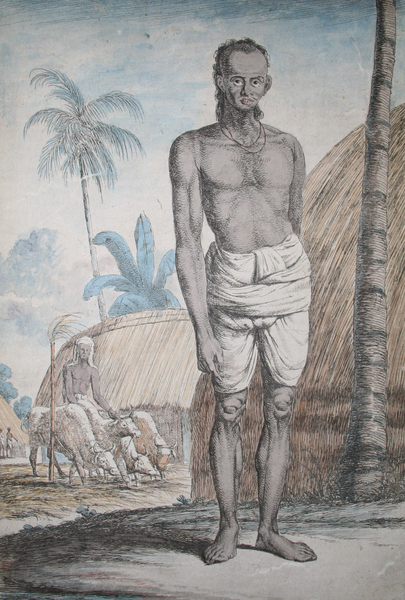 Preview |
The Hindoos: Image of a Chassa-Doba
Shared with the World by Dr Matt Phillpott
Image of a Chassa-Doba. Taken from a collection of two hundred and fifty coloured etchings descriptive of the manners, customs, character, dress, and religious ceremonies of the Hindoos by Balthazar Solvyns. The original copy of this image can be found at the Roderic Bowen Library and Archives, University of Wales Lampeter.
Shared with the World by Dr Matt Phillpott
![[img]](http://www.humbox.ac.uk//1052/1/manners_customs_and_dresses_of_the_hindoos_019.jpg)
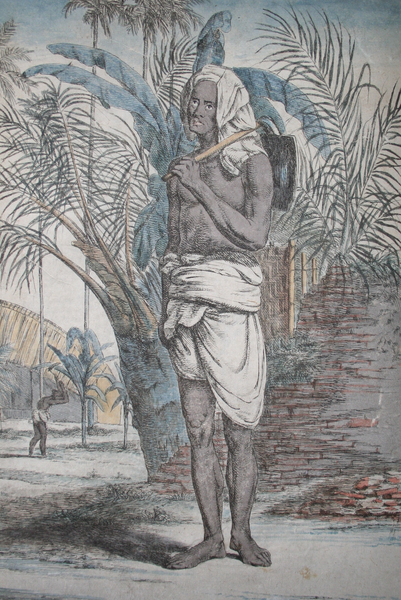 Preview |
The Hindoos: Image of a Chassa-Kybert
Shared with the World by Dr Matt Phillpott
Image of a Chassa-Kybert. Taken from a collection of two hundred and fifty coloured etchings descriptive of the manners, customs, character, dress, and religious ceremonies of the Hindoos by Balthazar Solvyns. The original copy of this image can be found at the Roderic Bowen Library and Archives, University of Wales Lampeter.
Shared with the World by Dr Matt Phillpott
![[img]](http://www.humbox.ac.uk//1079/1/manners_customs_and_dresses_of_the_hindoos_035.jpg)
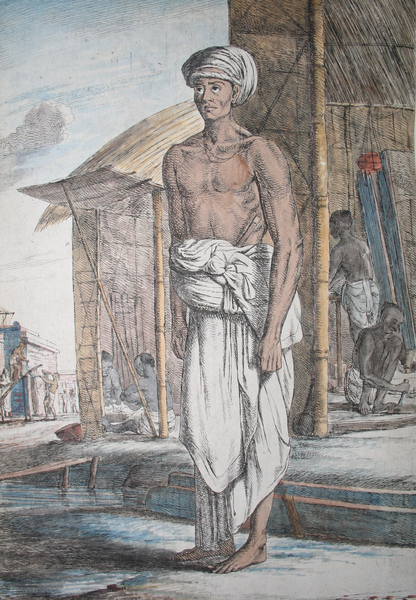 Preview |
The Hindoos: Image of a Chooter
Shared with the World by Dr Matt Phillpott
Image of a Chooter. Taken from a collection of two hundred and fifty coloured etchings descriptive of the manners, customs, character, dress, and religious ceremonies of the Hindoos by Balthazar Solvyns. The original copy of this image can be found at the Roderic Bowen Library and Archives, University of Wales Lampeter.
Shared with the World by Dr Matt Phillpott
![[img]](http://www.humbox.ac.uk//1082/1/manners_customs_and_dresses_of_the_hindoos_037.jpg)
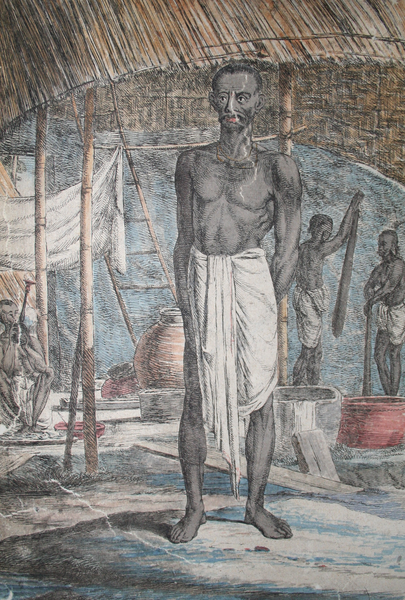 Preview |
The Hindoos: Image of a Chunhaury
Shared with the World by Dr Matt Phillpott
Image of a Chunhaury. Taken from a collection of two hundred and fifty coloured etchings descriptive of the manners, customs, character, dress, and religious ceremonies of the Hindoos by Balthazar Solvyns. The original copy of this image can be found at the Roderic Bowen Library and Archives, University of Wales Lampeter.
Shared with the World by Dr Matt Phillpott
![[img]](http://www.humbox.ac.uk//1049/1/manners_customs_and_dresses_of_the_hindoos_016.jpg)
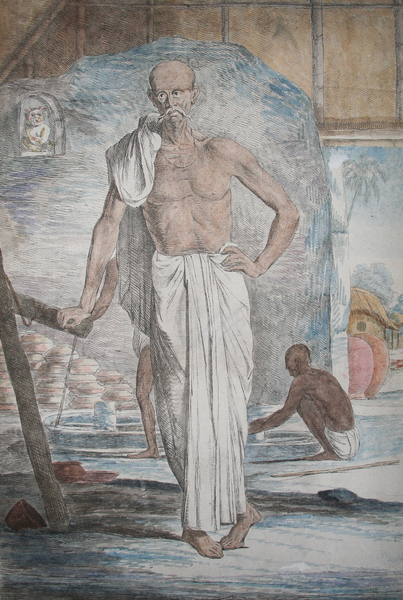 Preview |
The Hindoos: Image of a Coomhar
Shared with the World by Dr Matt Phillpott
Image of a Coomhar. Taken from a collection of two hundred and fifty coloured etchings descriptive of the manners, customs, character, dress, and religious ceremonies of the Hindoos by Balthazar Solvyns. The original copy of this image can be found at the Roderic Bowen Library and Archives, University of Wales Lampeter.
Shared with the World by Dr Matt Phillpott
![[img]](http://www.humbox.ac.uk//1090/1/manners_customs_and_dresses_of_the_hindoos_045.jpg)
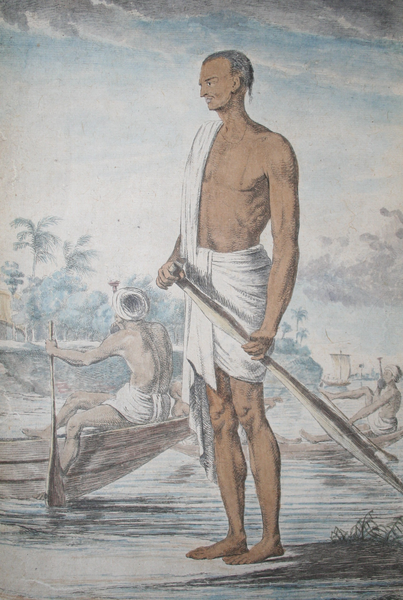 Preview |
The Hindoos: Image of a Dandy
Shared with the World by Dr Matt Phillpott
Image of a Dandy. Taken from a collection of two hundred and fifty coloured etchings descriptive of the manners, customs, character, dress, and religious ceremonies of the Hindoos by Balthazar Solvyns. The original copy of this image can be found at the Roderic Bowen Library and Archives, University of Wales Lampeter.
Shared with the World by Dr Matt Phillpott
![[img]](http://www.humbox.ac.uk//1088/1/manners_customs_and_dresses_of_the_hindoos_043.jpg)
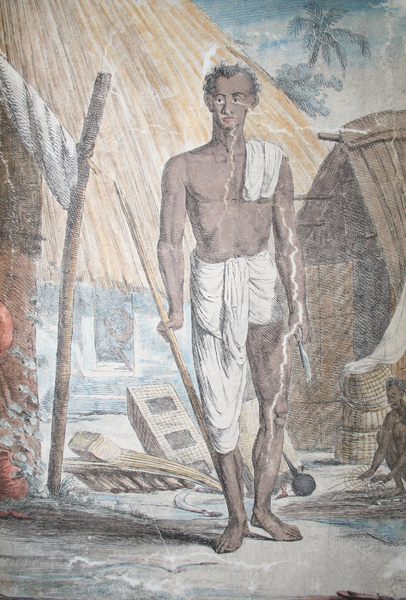 Preview |
The Hindoos: Image of a Doam
Shared with the World by Dr Matt Phillpott
Image of a Doam. Taken from a collection of two hundred and fifty coloured etchings descriptive of the manners, customs, character, dress, and religious ceremonies of the Hindoos by Balthazar Solvyns. The original copy of this image can be found at the Roderic Bowen Library and Archives, University of Wales Lampeter.
Shared with the World by Dr Matt Phillpott
![[img]](http://www.humbox.ac.uk//1093/1/manners_customs_and_dresses_of_the_hindoos_048.jpg)
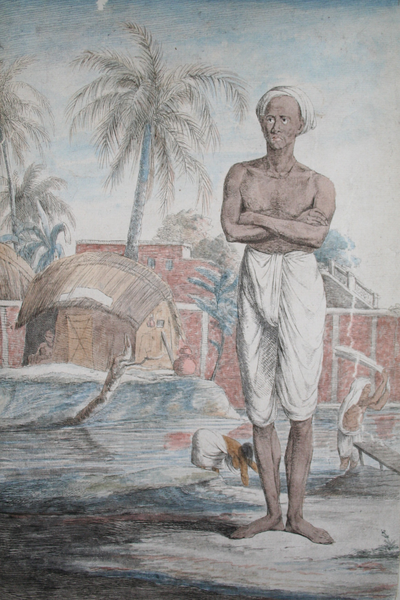 Preview |
The Hindoos: Image of a Doby
Shared with the World by Dr Matt Phillpott
Image of a Doby. Taken from a collection of two hundred and fifty coloured etchings descriptive of the manners, customs, character, dress, and religious ceremonies of the Hindoos by Balthazar Solvyns. The original copy of this image can be found at the Roderic Bowen Library and Archives, University of Wales Lampeter.
Shared with the World by Dr Matt Phillpott
![[img]](http://www.humbox.ac.uk//1060/1/manners_customs_and_dresses_of_the_hindoos_027.jpg)
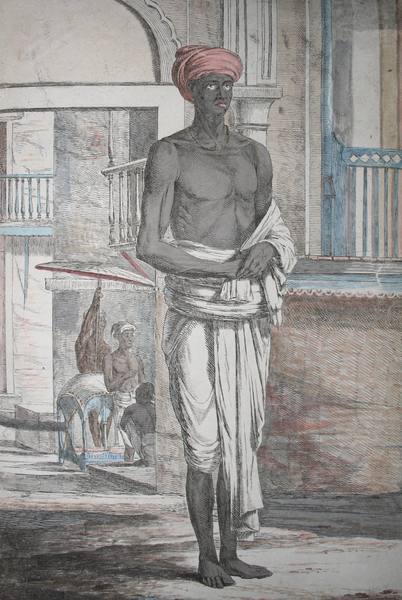 Preview |
The Hindoos: Image of a Doolee-A Bearer
Shared with the World by Dr Matt Phillpott
Image of a Doolee-A Bearer. Taken from a collection of two hundred and fifty coloured etchings descriptive of the manners, customs, character, dress, and religious ceremonies of the Hindoos by Balthazar Solvyns. The original copy of this image can be found at the Roderic Bowen Library and Archives, University of Wales Lampeter.
Shared with the World by Dr Matt Phillpott
![[img]](http://www.humbox.ac.uk//1034/1/manners_customs_and_dresses_of_the_hindoos_003.jpg)
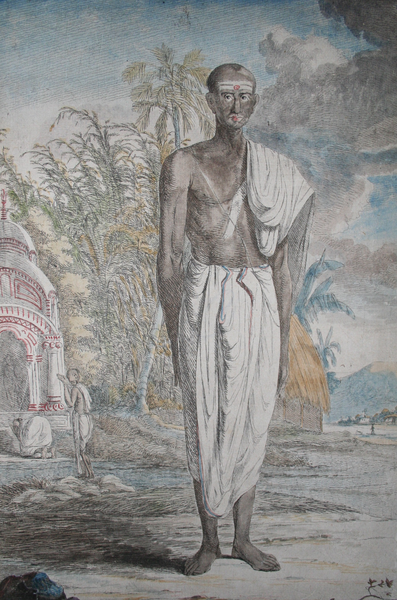 Preview |
The Hindoos: Image of a Drawer, Brahmun
Shared with the World by Dr Matt Phillpott
Image of a Drawer, Brahmun. Taken from a collection of two hundred and fifty coloured etchings descriptive of the manners, customs, character, dress, and religious ceremonies of the Hindoos by Balthazar Solvyns. The original copy of this image can be found at the Roderic Bowen Library and Archives, University of Wales Lampeter.
Shared with the World by Dr Matt Phillpott
![[img]](http://www.humbox.ac.uk//1046/1/manners_customs_and_dresses_of_the_hindoos_013.jpg)
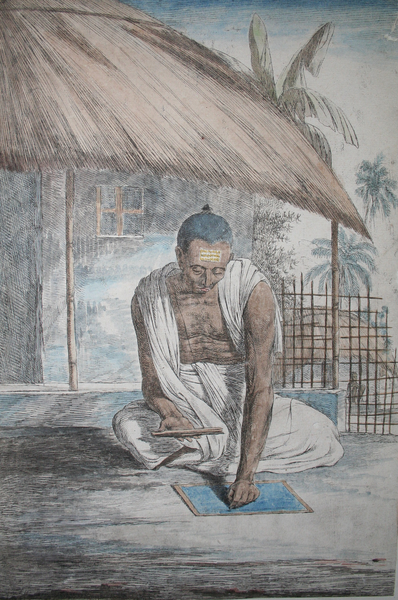 Preview |
The Hindoos: Image of a Dybuck
Shared with the World by Dr Matt Phillpott
Image of a Dybuck. Taken from a collection of two hundred and fifty coloured etchings descriptive of the manners, customs, character, dress, and religious ceremonies of the Hindoos by Balthazar Solvyns. The original copy of this image can be found at the Roderic Bowen Library and Archives, University of Wales Lampeter.
Shared with the World by Dr Matt Phillpott
![[img]](http://www.humbox.ac.uk//1064/1/manners_customs_and_dresses_of_the_hindoos_031.jpg)
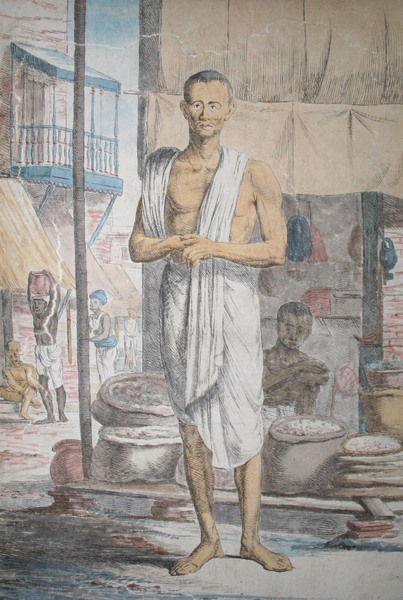 Preview |
The Hindoos: Image of a Gund-Bunnya
Shared with the World by Dr Matt Phillpott
Image of a Gund-Bunnya. Taken from a collection of two hundred and fifty coloured etchings descriptive of the manners, customs, character, dress, and religious ceremonies of the Hindoos by Balthazar Solvyns. The original copy of this image can be found at the Roderic Bowen Library and Archives, University of Wales Lampeter.
Shared with the World by Dr Matt Phillpott
![[img]](http://www.humbox.ac.uk//1081/1/manners_customs_and_dresses_of_the_hindoos_036.jpg)
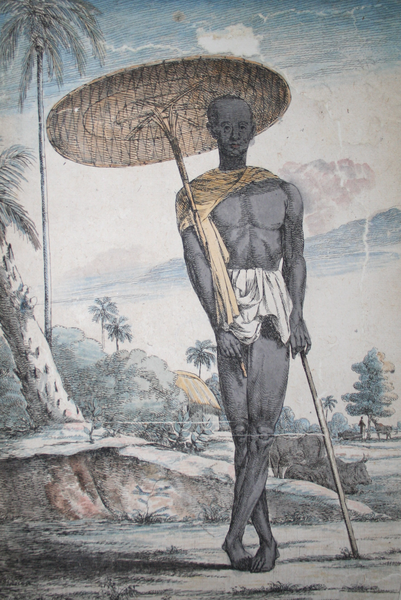 Preview |
The Hindoos: Image of a Gwalla
Shared with the World by Dr Matt Phillpott
Image of a Gwalla. Taken from a collection of two hundred and fifty coloured etchings descriptive of the manners, customs, character, dress, and religious ceremonies of the Hindoos by Balthazar Solvyns. The original copy of this image can be found at the Roderic Bowen Library and Archives, University of Wales Lampeter.
Shared with the World by Dr Matt Phillpott
![[img]](http://www.humbox.ac.uk//1086/1/manners_customs_and_dresses_of_the_hindoos_041.jpg)
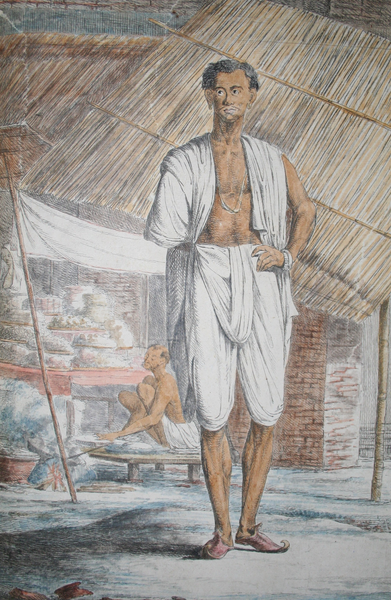 Preview |
The Hindoos: Image of a Hulwye
Shared with the World by Dr Matt Phillpott
Image of a Hulwye. Taken from a collection of two hundred and fifty coloured etchings descriptive of the manners, customs, character, dress, and religious ceremonies of the Hindoos by Balthazar Solvyns. The original copy of this image can be found at the Roderic Bowen Library and Archives, University of Wales Lampeter.
Shared with the World by Dr Matt Phillpott
![[img]](http://www.humbox.ac.uk//1061/1/manners_customs_and_dresses_of_the_hindoos_028.jpg)
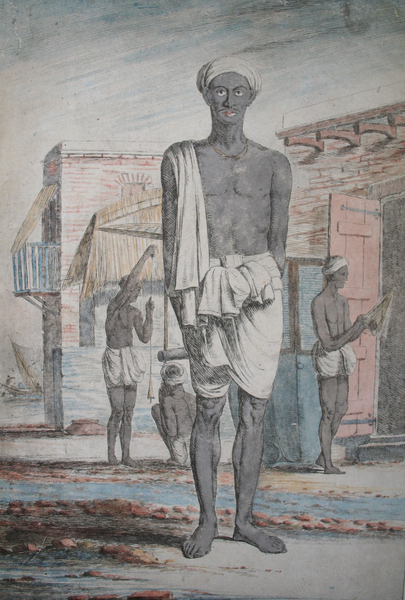 Preview |
The Hindoos: Image of a Jellee-A Bearer
Shared with the World by Dr Matt Phillpott
Image of a Jellee-A Bearer. Taken from a collection of two hundred and fifty coloured etchings descriptive of the manners, customs, character, dress, and religious ceremonies of the Hindoos by Balthazar Solvyns. The original copy of this image can be found at the Roderic Bowen Library and Archives, University of Wales Lampeter.
Shared with the World by Dr Matt Phillpott
![[img]](http://www.humbox.ac.uk//1087/1/manners_customs_and_dresses_of_the_hindoos_042.jpg)
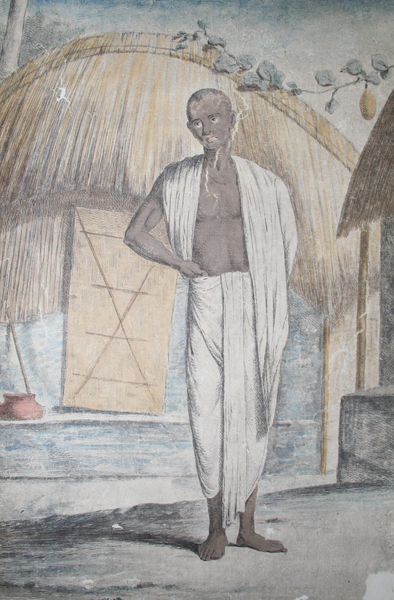 Preview |
The Hindoos: Image of a Jooghee
Shared with the World by Dr Matt Phillpott
Image of a Jooghee. Taken from a collection of two hundred and fifty coloured etchings descriptive of the manners, customs, character, dress, and religious ceremonies of the Hindoos by Balthazar Solvyns. The original copy of this image can be found at the Roderic Bowen Library and Archives, University of Wales Lampeter.
Shared with the World by Dr Matt Phillpott
![[img]](http://www.humbox.ac.uk//1037/1/manners_customs_and_dresses_of_the_hindoos_006.jpg)
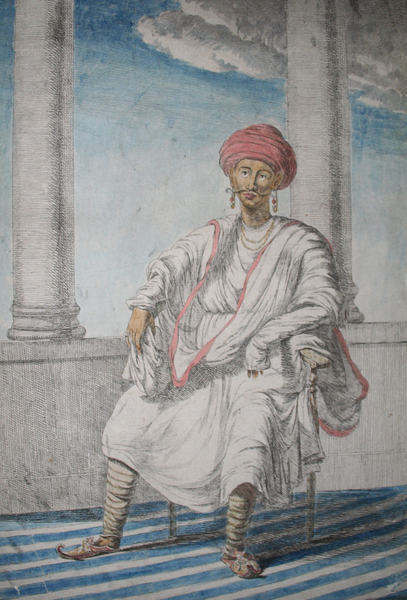 Preview |
The Hindoos: Image of a K'huttry
Shared with the World by Dr Matt Phillpott
Image of a K'huttry. Taken from a collection of two hundred and fifty coloured etchings descriptive of the manners, customs, character, dress, and religious ceremonies of the Hindoos by Balthazar Solvyns. The original copy of this image can be found at the Roderic Bowen Library and Archives, University of Wales Lampeter.
Shared with the World by Dr Matt Phillpott
![[img]](http://www.humbox.ac.uk//1033/1/manners_customs_and_dresses_of_the_hindoos_002.jpg)
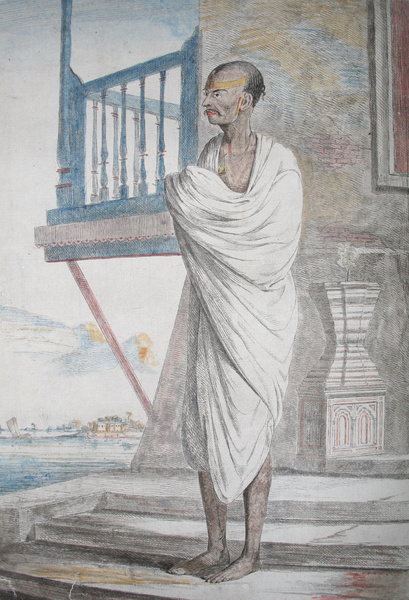 Preview |
The Hindoos: Image of a Kanoge, Brahmun
Shared with the World by Dr Matt Phillpott
Image of a Kanoge, Brahmun. Taken from a collection of two hundred and fifty coloured etchings descriptive of the manners, customs, character, dress, and religious ceremonies of the Hindoos by Balthazar Solvyns. The original copy of this image can be found at the Roderic Bowen Library and Archives, University of Wales Lampeter.
Shared with the World by Dr Matt Phillpott
![[img]](http://www.humbox.ac.uk//1075/1/manners_customs_and_dresses_of_the_hindoos_032.jpg)
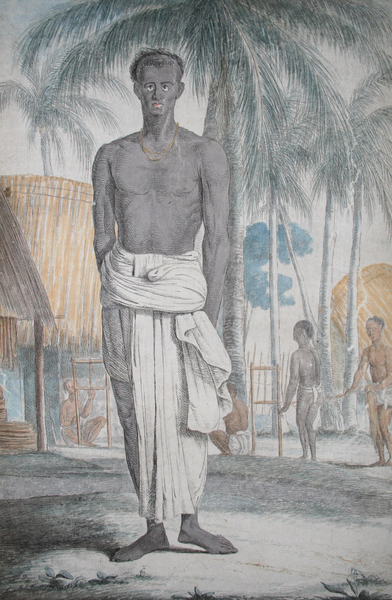 Preview |
The Hindoos: Image of a Kapauly
Shared with the World by Dr Matt Phillpott
Image of a Kapauly. Taken from a collection of two hundred and fifty coloured etchings descriptive of the manners, customs, character, dress, and religious ceremonies of the Hindoos by Balthazar Solvyns. The original copy of this image can be found at the Roderic Bowen Library and Archives, University of Wales Lampeter.
Shared with the World by Dr Matt Phillpott
![[img]](http://www.humbox.ac.uk//1083/1/manners_customs_and_dresses_of_the_hindoos_038.jpg)
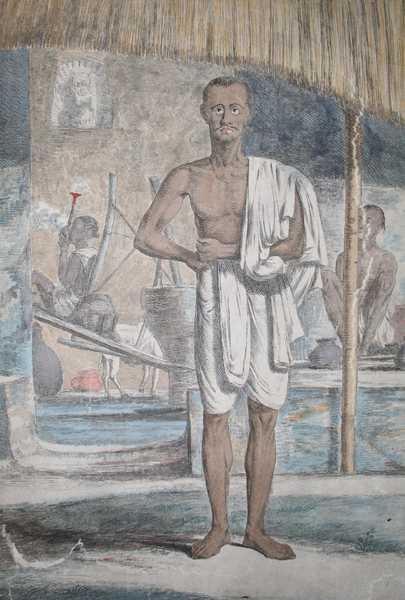 Preview |
The Hindoos: Image of a Koalhoo
Shared with the World by Dr Matt Phillpott
Image of a Koalhoo. Taken from a collection of two hundred and fifty coloured etchings descriptive of the manners, customs, character, dress, and religious ceremonies of the Hindoos by Balthazar Solvyns. The original copy of this image can be found at the Roderic Bowen Library and Archives, University of Wales Lampeter.
Shared with the World by Dr Matt Phillpott
![[img]](http://www.humbox.ac.uk//1056/1/manners_customs_and_dresses_of_the_hindoos_023.jpg)
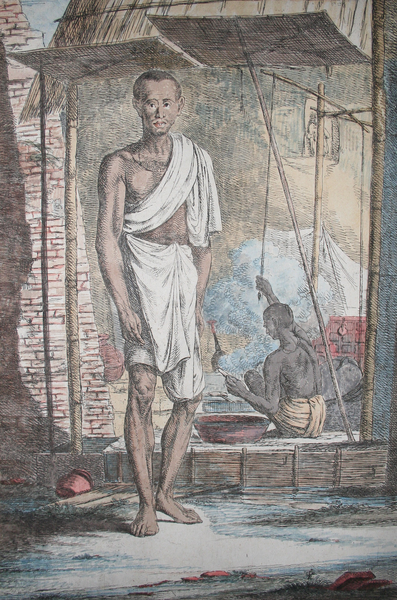 Preview |
The Hindoos: Image of a Kumaur
Shared with the World by Dr Matt Phillpott
Image of a Kumaur. Taken from a collection of two hundred and fifty coloured etchings descriptive of the manners, customs, character, dress, and religious ceremonies of the Hindoos by Balthazar Solvyns. The original copy of this image can be found at the Roderic Bowen Library and Archives, University of Wales Lampeter.
Shared with the World by Dr Matt Phillpott
![[img]](http://www.humbox.ac.uk//1051/1/manners_customs_and_dresses_of_the_hindoos_018.jpg)
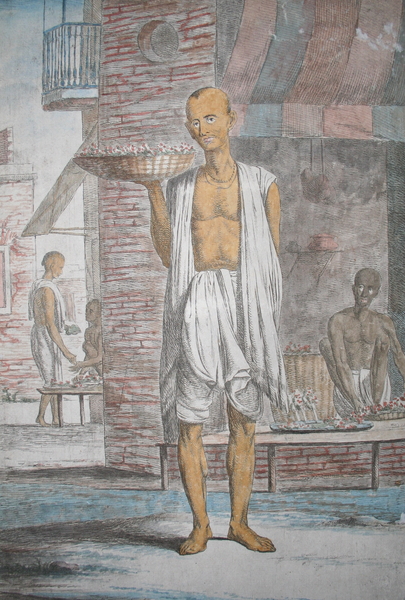 Preview |
The Hindoos: Image of a Mauly
Shared with the World by Dr Matt Phillpott
Image of a Mauly. Taken from a collection of two hundred and fifty coloured etchings descriptive of the manners, customs, character, dress, and religious ceremonies of the Hindoos by Balthazar Solvyns. The original copy of this image can be found at the Roderic Bowen Library and Archives, University of Wales Lampeter.
Shared with the World by Dr Matt Phillpott
![[img]](http://www.humbox.ac.uk//1063/1/manners_customs_and_dresses_of_the_hindoos_030.jpg)
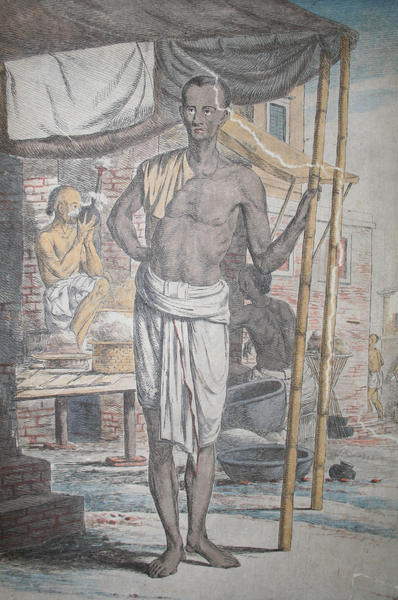 Preview |
The Hindoos: Image of a Myra
Shared with the World by Dr Matt Phillpott
Image of a Myra. Taken from a collection of two hundred and fifty coloured etchings descriptive of the manners, customs, character, dress, and religious ceremonies of the Hindoos by Balthazar Solvyns. The original copy of this image can be found at the Roderic Bowen Library and Archives, University of Wales Lampeter.
Shared with the World by Dr Matt Phillpott
![[img]](http://www.humbox.ac.uk//1050/1/manners_customs_and_dresses_of_the_hindoos_017.jpg)
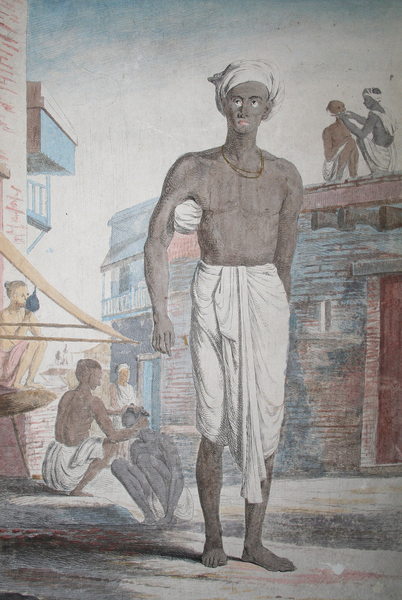 Preview |
The Hindoos: Image of a Nauy
Shared with the World by Dr Matt Phillpott
Image of a Nauy. Taken from a collection of two hundred and fifty coloured etchings descriptive of the manners, customs, character, dress, and religious ceremonies of the Hindoos by Balthazar Solvyns. The original copy of this image can be found at the Roderic Bowen Library and Archives, University of Wales Lampeter.
Shared with the World by Dr Matt Phillpott
![[img]](http://www.humbox.ac.uk//1095/1/manners_customs_and_dresses_of_the_hindoos_050.jpg)
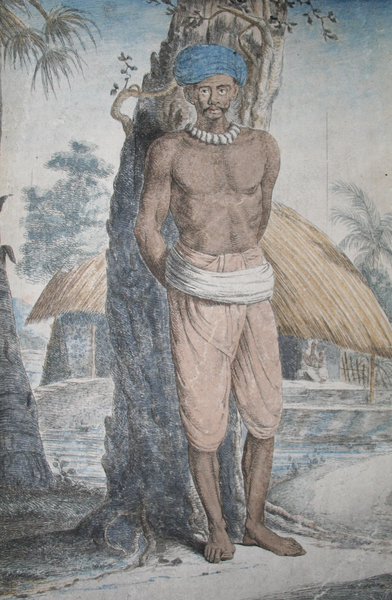 Preview |
The Hindoos: Image of a Rajpoot
Shared with the World by Dr Matt Phillpott
Image of a Rajpoot. Taken from a collection of two hundred and fifty coloured etchings descriptive of the manners, customs, character, dress, and religious ceremonies of the Hindoos by Balthazar Solvyns. The original copy of this image can be found at the Roderic Bowen Library and Archives, University of Wales Lampeter.
Shared with the World by Dr Matt Phillpott
![[img]](http://www.humbox.ac.uk//1059/1/manners_customs_and_dresses_of_the_hindoos_026.jpg)
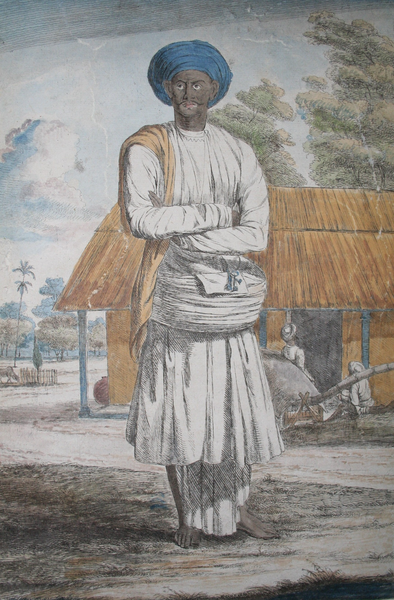 Preview |
The Hindoos: Image of a Rowanny Bearer
Shared with the World by Dr Matt Phillpott
Image of a Rowanny Bearer. Taken from a collection of two hundred and fifty coloured etchings descriptive of the manners, customs, character, dress, and religious ceremonies of the Hindoos by Balthazar Solvyns. The original copy of this image can be found at the Roderic Bowen Library and Archives, University of Wales Lampeter.
Shared with the World by Dr Matt Phillpott
![[img]](http://www.humbox.ac.uk//1042/1/manners_customs_and_dresses_of_the_hindoos_009.jpg)
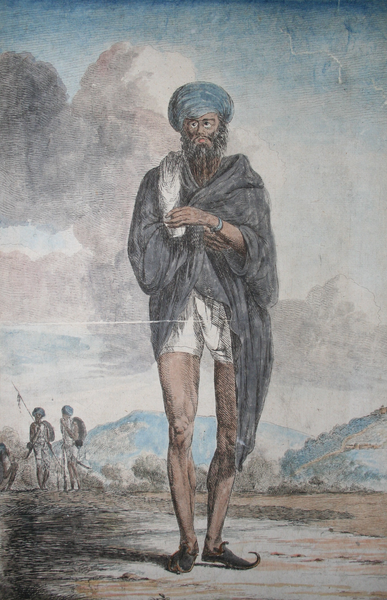 Preview |
The Hindoos: Image of a Sic (Sikh)
Shared with the World by Dr Matt Phillpott
Image of a Sic (Sikh). Taken from a collection of two hundred and fifty coloured etchings descriptive of the manners, customs, character, dress, and religious ceremonies of the Hindoos by Balthazar Solvyns. The original copy of this image can be found at the Roderic Bowen Library and Archives, University of Wales Lampeter.
Shared with the World by Dr Matt Phillpott
![[img]](http://www.humbox.ac.uk//1077/1/manners_customs_and_dresses_of_the_hindoos_033.jpg)
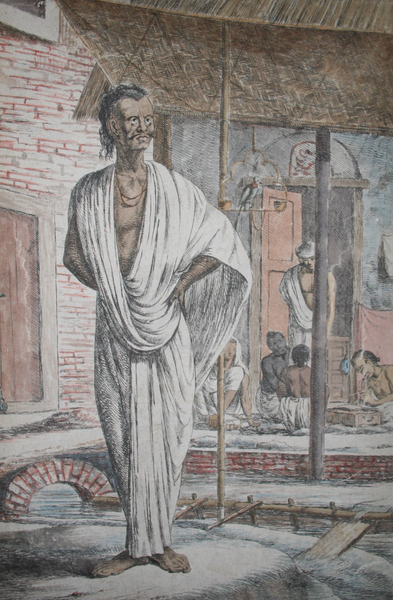 Preview |
The Hindoos: Image of a Sonaur-Bannya
Shared with the World by Dr Matt Phillpott
Image of a Sonaur-Bannya. Taken from a collection of two hundred and fifty coloured etchings descriptive of the manners, customs, character, dress, and religious ceremonies of the Hindoos by Balthazar Solvyns. The original copy of this image can be found at the Roderic Bowen Library and Archives, University of Wales Lampeter.
Shared with the World by Dr Matt Phillpott
![[img]](http://www.humbox.ac.uk//1041/1/manners_customs_and_dresses_of_the_hindoos_008.jpg)
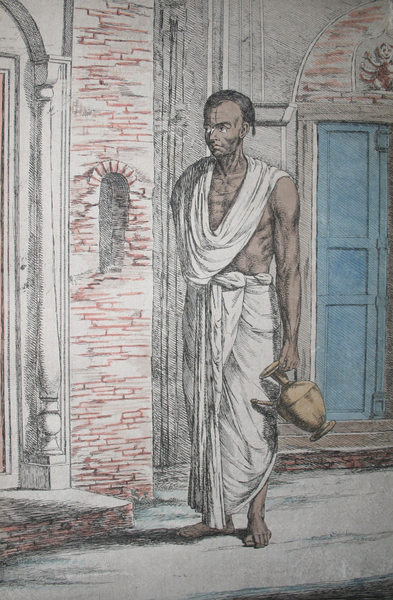 Preview |
The Hindoos: Image of a Soodder
Shared with the World by Dr Matt Phillpott
Image of a Soodder. Taken from a collection of two hundred and fifty coloured etchings descriptive of the manners, customs, character, dress, and religious ceremonies of the Hindoos by Balthazar Solvyns. The original copy of this image can be found at the Roderic Bowen Library and Archives, University of Wales Lampeter.
Shared with the World by Dr Matt Phillpott
![[img]](http://www.humbox.ac.uk//1094/1/manners_customs_and_dresses_of_the_hindoos_049.jpg)
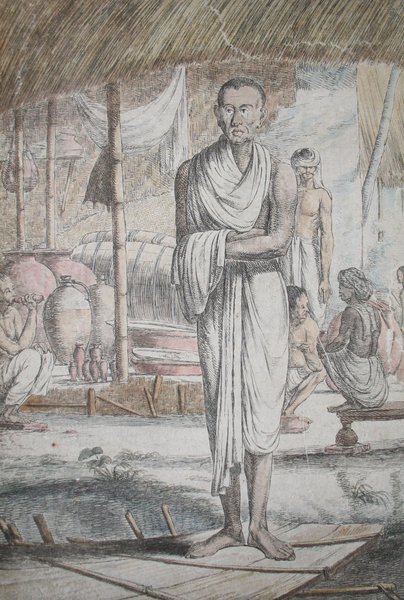 Preview |
The Hindoos: Image of a Soonree
Shared with the World by Dr Matt Phillpott
Image of a Soonree. Taken from a collection of two hundred and fifty coloured etchings descriptive of the manners, customs, character, dress, and religious ceremonies of the Hindoos by Balthazar Solvyns. The original copy of this image can be found at the Roderic Bowen Library and Archives, University of Wales Lampeter.
Shared with the World by Dr Matt Phillpott
![[img]](http://www.humbox.ac.uk//1032/1/manners_customs_and_dresses_of_the_hindoos_001.jpg)
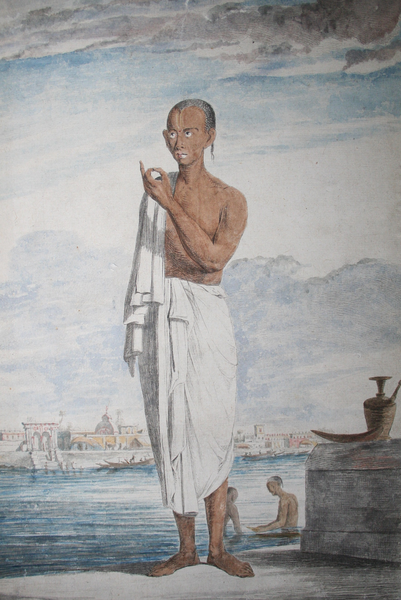 Preview |
The Hindoos: Image of a Srotery, Brahmun
Shared with the World by Dr Matt Phillpott
Image of a Srotery, Brahmun. Taken from a collection of two hundred and fifty coloured etchings descriptive of the manners, customs, character, dress, and religious ceremonies of the Hindoos by Balthazar Solvyns. The original copy of this image can be found at the Roderic Bowen Library and Archives, University of Wales Lampeter.
Shared with the World by Dr Matt Phillpott
![[img]](http://www.humbox.ac.uk//1043/1/manners_customs_and_dresses_of_the_hindoos_010.jpg)
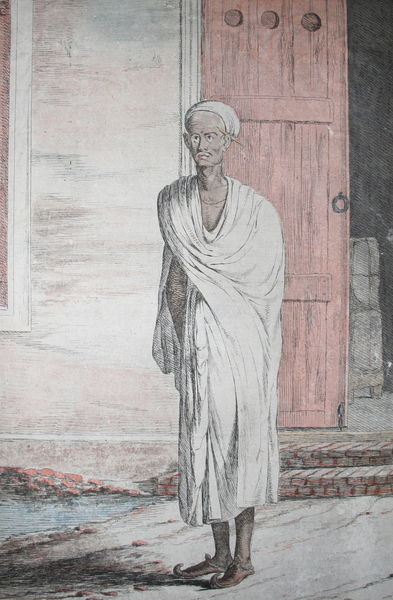 Preview |
The Hindoos: Image of a Sudgope
Shared with the World by Dr Matt Phillpott
Image of a Sudgope. Taken from a collection of two hundred and fifty coloured etchings descriptive of the manners, customs, character, dress, and religious ceremonies of the Hindoos by Balthazar Solvyns. The original copy of this image can be found at the Roderic Bowen Library and Archives, University of Wales Lampeter.
Shared with the World by Dr Matt Phillpott
![[img]](http://www.humbox.ac.uk//1054/1/manners_customs_and_dresses_of_the_hindoos_021.jpg)
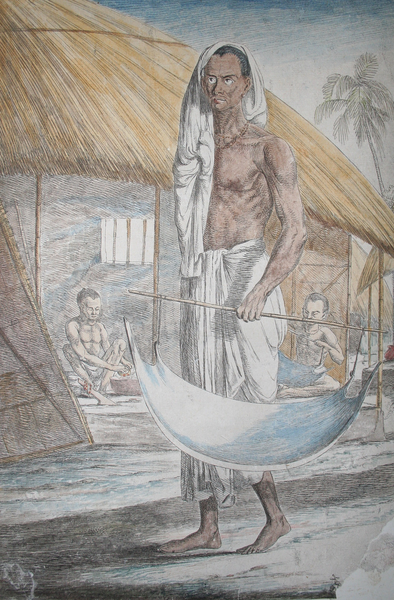 Preview |
The Hindoos: Image of a Sunkaury
Shared with the World by Dr Matt Phillpott
Image of a Sunkaury. Taken from a collection of two hundred and fifty coloured etchings descriptive of the manners, customs, character, dress, and religious ceremonies of the Hindoos by Balthazar Solvyns. The original copy of this image can be found at the Roderic Bowen Library and Archives, University of Wales Lampeter.
Shared with the World by Dr Matt Phillpott
![[img]](http://www.humbox.ac.uk//1078/1/manners_customs_and_dresses_of_the_hindoos_034.jpg)
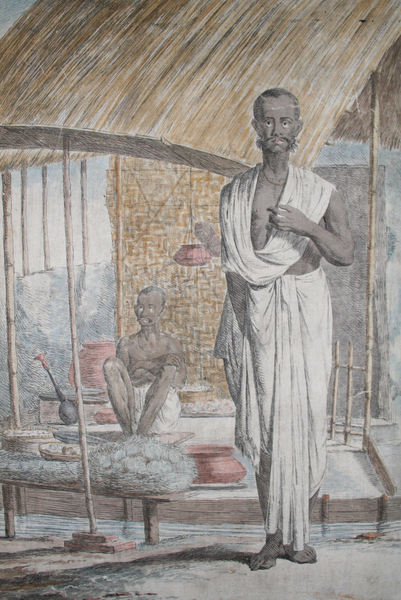 Preview |
The Hindoos: Image of a Tamooly
Shared with the World by Dr Matt Phillpott
Image of a Tamooly. Taken from a collection of two hundred and fifty coloured etchings descriptive of the manners, customs, character, dress, and religious ceremonies of the Hindoos by Balthazar Solvyns. The original copy of this image can be found at the Roderic Bowen Library and Archives, University of Wales Lampeter.
Shared with the World by Dr Matt Phillpott
![[img]](http://www.humbox.ac.uk//1084/1/manners_customs_and_dresses_of_the_hindoos_039.jpg)
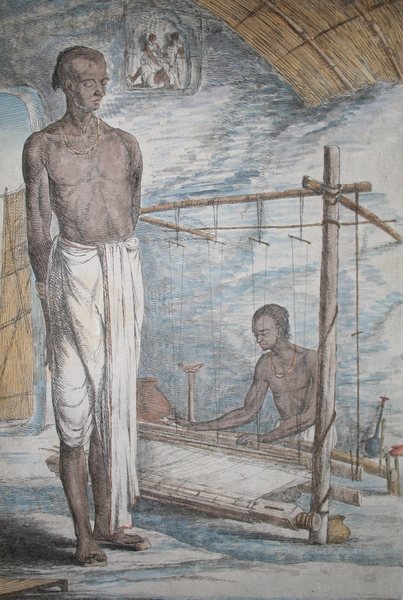 Preview |
The Hindoos: Image of a Tauntee
Shared with the World by Dr Matt Phillpott
Image of a Tauntee. Taken from a collection of two hundred and fifty coloured etchings descriptive of the manners, customs, character, dress, and religious ceremonies of the Hindoos by Balthazar Solvyns. The original copy of this image can be found at the Roderic Bowen Library and Archives, University of Wales Lampeter.
Shared with the World by Dr Matt Phillpott
![[img]](http://www.humbox.ac.uk//1057/1/manners_customs_and_dresses_of_the_hindoos_024.jpg)
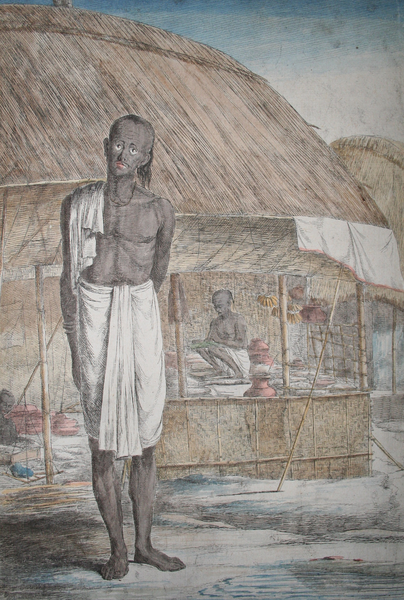 Preview |
The Hindoos: Image of a Tilly
Shared with the World by Dr Matt Phillpott
Image of a Tilly. Taken from a collection of two hundred and fifty coloured etchings descriptive of the manners, customs, character, dress, and religious ceremonies of the Hindoos by Balthazar Solvyns. The original copy of this image can be found at the Roderic Bowen Library and Archives, University of Wales Lampeter.
Shared with the World by Dr Matt Phillpott
![[img]](http://www.humbox.ac.uk//1053/1/manners_customs_and_dresses_of_the_hindoos_020.jpg)
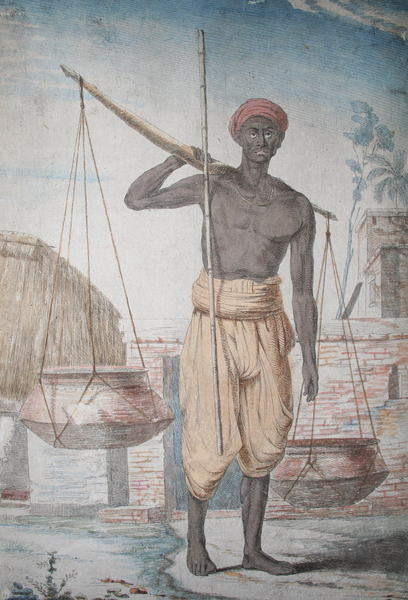 Preview |
The Hindoos: Image of an Auheer
Shared with the World by Dr Matt Phillpott
Image of an Auheer. Taken from a collection of two hundred and fifty coloured etchings descriptive of the manners, customs, character, dress, and religious ceremonies of the Hindoos by Balthazar Solvyns. The original copy of this image can be found at the Roderic Bowen Library and Archives, University of Wales Lampeter.
Shared with the World by Dr Matt Phillpott
![[img]](http://www.humbox.ac.uk//1058/1/manners_customs_and_dresses_of_the_hindoos_025.jpg)
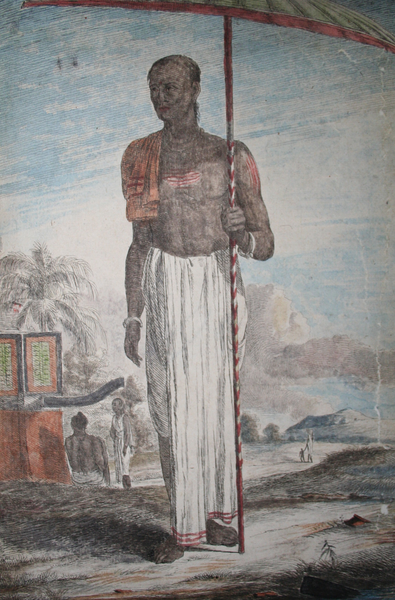 Preview |
The Hindoos: Image of an Ooria Bearer
Shared with the World by Dr Matt Phillpott
Image of an Ooria Bearer. Taken from a collection of two hundred and fifty coloured etchings descriptive of the manners, customs, character, dress, and religious ceremonies of the Hindoos by Balthazar Solvyns. The original copy of this image can be found at the Roderic Bowen Library and Archives, University of Wales Lampeter.
Shared with the World by Dr Matt Phillpott
![[img]](http://www.humbox.ac.uk//1036/1/manners_customs_and_dresses_of_the_hindoos_005.jpg)
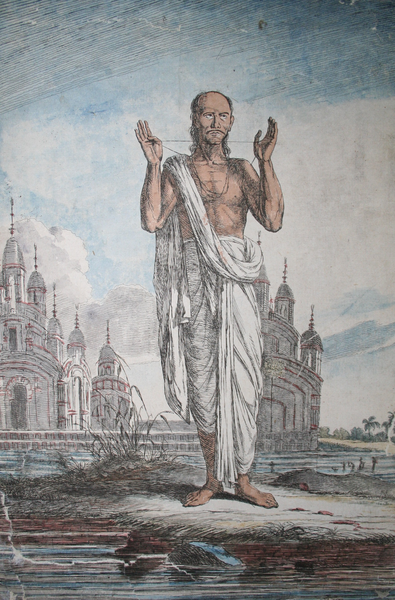 Preview |
The Hindoos: Image of an Ooria, Brahmun
Shared with the World by Dr Matt Phillpott
Image of an Ooria, Brahmun. Taken from a collection of two hundred and fifty coloured etchings descriptive of the manners, customs, character, dress, and religious ceremonies of the Hindoos by Balthazar Solvyns. The original copy of this image can be found at the Roderic Bowen Library and Archives, University of Wales Lampeter.
Shared with the World by Dr Matt Phillpott
The History of Czech Literature 900-2000
Shared with the World by Ms Claire Monaghan
Texts, powerpoint presentations
Information on the life and work of several Czech authors
As reference material; power points are used in class to complement lectures.
Shared with the World by Ms Claire Monaghan
Preview |
The Livonian War
Shared with the World by Ms Claire Monaghan
Word document - Estonian History, Society and Culture The Livonian War. Estonians Under the Swedish Rule. The Great Norhern War. Handouts for the lectures of Estonian History, Society and Culture
Shared with the World by Ms Claire Monaghan
Preview |
Preview |
The Utopian years? Radical left movements in Pompidou's france
Shared with the World by Mr Emmanuel Godin
This half day conference, organised by Dr Manus McGrogan at the University of Portsmouth on 12 May 2011, uncovered the trajectories of some of the movements that emerged in early 1970s France, helping to define the radical left politics of the era. This was the aftermath of May ‘68’s mass upheaval, when France, in the grip of student riots and a general strike, had seemed on the verge of revolution. May’s utopian dimension, embodied in slogans such as ‘sous les pavés la plage’ and ‘prenez vos désirs pour la réalité’, held the promise of a world transformed in which each could pursue their own desires, a powerful spur to thousands of young activists, students and workers. The mass revolt of May had also shown that collective action could change the world. These impulses, shaped subsequently by political, socio-cultural and international events, combined to generate new, youth-inflected gender/sexual liberation movements, independent immigrant organisation, ecology groups, underground press, and other movements that were linked to, or autonomous of left political organisation.
However, activists also had to contend with a Gaullist State that tentatively introduced reforms, whilst clamping down on the hard left ‘troublions’ still agitating for popular revolt. Intervention in the workers movement also proved problematic given the PCF/CGT dominance in the major workplaces. President Georges Pompidou, on a path of modernising France, perpetuated the social conservatism of his predecessor de Gaulle; faced with these barriers, activists of the Mouvement de Mai sought to merge political radicalism with the cultural underground to fashion an alternative France, as a May-inspired slogan intoned, changer la vie. But what happened to this surge of hope for change?
Five academics presented papers on important aspects of this early 1970s radicalism, with the participation of students and lecturers from similar disciplines. They considered the origins and development of the new movements, their significance within Pompidou’s France; the interrelationship of movements, and finally their resonance, or relevance in the France of today. The conference was also part of the undergraduate programme in French History and was generously supported by the LLAS subject centre. The exam was based on the themes developed during the conference.
A half day conference, organised at the University of Portsmouth on 12 May 2011, uncovered the trajectories of some of the movements that emerged in early 1970s France, helping to define the radical left politics of the era. This was the aftermath of May ‘68’s mass upheaval, when France, in the grip of student riots and a general strike, had seemed on the verge of revolution. May’s utopian dimension, embodied in slogans such as ‘sous les pavés la plage’ and ‘prenez vos désirs pour la réalité’, held the promise of a world transformed in which each could pursue their own desires, a powerful spur to thousands of young activists, students and workers. The mass revolt of May had also shown that collective action could change the world. These impulses, shaped subsequently by political, socio-cultural and international events, combined to generate new, youth-inflected gender/sexual liberation movements, independent immigrant organisation, ecology groups, underground press, and other movements that were linked to, or autonomous of left political organisation.
However, activists also had to contend with a Gaullist State that tentatively introduced reforms, whilst clamping down on the hard left ‘troublions’ still agitating for popular revolt. Intervention in the workers movement also proved problematic given the PCF/CGT dominance in the major workplaces. President Georges Pompidou, on a path of modernising France, perpetuated the social conservatism of his predecessor de Gaulle; faced with these barriers, activists of the Mouvement de Mai sought to merge political radicalism with the cultural underground to fashion an alternative France, as a May-inspired slogan intoned, changer la vie. But what happened to this surge of hope for change?
Five academics presented papers on important aspects of this early 1970s radicalism, with the participation of students and lecturers from similar disciplines. They considered the origins and development of the new movements, their significance within Pompidou’s France; the interrelationship of movements, and finally their resonance, or relevance in the France of today. The conference was also part of the undergraduate programme in French History and was generously supported by the LLAS subject centre. The exam was based on the themes developed during the conference.
Shared with the World by Mr Emmanuel Godin
Preview |
The beginning of Estonian history
Shared with the World by Ms Claire Monaghan
Word document - The beginning of Estonian history, until the end of the Iron Age. Handouts for the lectures on Estonian History, Society and Culture
Shared with the World by Ms Claire Monaghan
Preview |
Theatre of Cruelties - Lecture 10: Royal Myths, Religious Realities: Living with Absolutism and Religious Pluralism
Shared with the World by Dr Matt Phillpott
A lectuer powerpoint presentation for the module 'Theatre of Cruelties'. This lecture deals specifically with Henri IV.
Shared with the World by Dr Matt Phillpott
Preview |
Theatre of Cruelties - Lecture 1: The Coming of the Protestant Reformation in France: A Climate of Uncertainty
Shared with the World by Dr Matt Phillpott
A lecture powerpoint presentation for the module 'Theatre of Cruelties' focued on the prelude to the French Wars of Religion.
Shared with the World by Dr Matt Phillpott
Preview |
Theatre of Cruelties - Lecture 2: Containing the French Reformation
Shared with the World by Dr Matt Phillpott
A lecture powerpoint presentation for the module 'Theatre of Cruelties'. This lecture deals with the monarchy's initial role in fighting heresy.
Shared with the World by Dr Matt Phillpott
Preview |
Theatre of Cruelties - Lecture 3: Geneva and the French Reformation
Shared with the World by Dr Matt Phillpott
A lecture powerpoint presentation for the module 'Theatre of Cruelties' . This lecture dels with Geneva and Jean Calvin's role in the French Reformation.
Shared with the World by Dr Matt Phillpott
Preview |
Theatre of Cruelties - Lecture 4: The Years of Crisis, 1559-1562
Shared with the World by Dr Matt Phillpott
A lecture powerpoint presentation for the module 'Theatre of Cruelties'. This lecture deals with the failure of the French monarchy between 1559-1562 and the outbreak of civil war.
Shared with the World by Dr Matt Phillpott
Preview |
Theatre of Cruelties - Lecture 7: The French Monarchy tries to put things right - and fails
Shared with the World by Dr Matt Phillpott
A lecture powerpoint presentation for the module 'Theatre of Cruelties'. This lecture deals with religious, judicial and political reform.
Shared with the World by Dr Matt Phillpott
Preview |
Theatre of Cruelties - Lecture 8: The Massacre of St Bartholomew - and its Aftermath
Shared with the World by Dr Matt Phillpott
A lecture powerpoint presentation for the module 'Theatre of Cruelties'. This lecture handles the topic of the St Bartholomew's massacre.
Shared with the World by Dr Matt Phillpott
Preview |
Theatre of Cruelties - Lecture 9: Nobility and Violence
Shared with the World by Dr Matt Phillpott
A lecture powerpoint presentation for the module 'Theatre of Cruelties'. This lecture refocuses the discussion of the French wars of religion to the nobles and how their culture added to a culture of 'noble violence'.
Shared with the World by Dr Matt Phillpott
Preview |
Theatre of Cruelties - Seminar 10: Making Peace
Shared with the World by Dr Matt Phillpott
Seminar outline with bibliography.
Shared with the World by Dr Matt Phillpott
Preview |
Theatre of Cruelties - Seminar 1: A Catholic Encyclopedia of Violence
Shared with the World by Dr Matt Phillpott
Seminar outline with bibliography and biography on Richard Verstegan.
Shared with the World by Dr Matt Phillpott
Preview |
Theatre of Cruelties - Seminar 2: The Day of Placards
Shared with the World by Dr Matt Phillpott
Seminar outline with seminar assignments, bibliography and extracts.
Shared with the World by Dr Matt Phillpott
Preview |
Theatre of Cruelties - Seminar 3: Martyrs to the Cause
Shared with the World by Dr Matt Phillpott
Seminar outline with seminar assignments, bibliography and extracts.
Shared with the World by Dr Matt Phillpott
Preview |
Theatre of Cruelties - Seminar 4: A Failed Revolt, a Chancellor's Appeal: A Protestant Deputy's Programme
Shared with the World by Dr Matt Phillpott
Seminar outline with seminar assignments, bibliography and extracts.
Shared with the World by Dr Matt Phillpott
Preview |
Theatre of Cruelties - Seminar 5: Sectarian Violence: Actors and Objects
Shared with the World by Dr Matt Phillpott
Seminar outline with seminar assignments, and a bibliography
Shared with the World by Dr Matt Phillpott
Preview |
Preview |
Theatre of Cruelties - Seminar 6: Incitements to Violence
Shared with the World by Dr Matt Phillpott
Seminar outline with bibliography. This resource also includes two papers on topics related to the seminar - authored by Mark Greengrass.
Shared with the World by Dr Matt Phillpott
Preview |
Theatre of Cruelties - Seminar 7: Blood and Violence
Shared with the World by Dr Matt Phillpott
Seminar outline with bibliography.
Shared with the World by Dr Matt Phillpott
Preview |
Theatre of Cruelties - Seminar 9: Political Violence and Tyrannicide
Shared with the World by Dr Matt Phillpott
Seminar outline with bibliography and extracts.
Shared with the World by Dr Matt Phillpott
Theatre of Cruelties: The French Wars of Religion
Shared with the World by Dr Matt Phillpott
A collection of seminar and lecture materials for the Level 3 module on the French Wars of Religion.
Shared with the World by Dr Matt Phillpott
Preview |
Theories of Death: An Introduction
Shared with the World by Dr Paul Hedges
A PowerPoint that forms part of a module studying death in religion
Shared with the World by Dr Paul Hedges
![[img]](http://www.humbox.ac.uk//1801/2/tirailleurs_certificat_IWW.JPG)
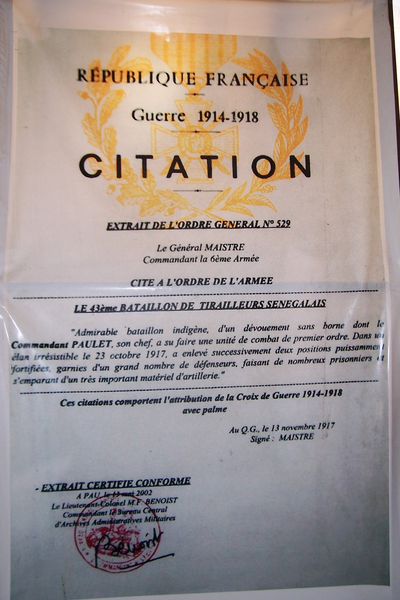 Preview |
Tirailleurs Sénégalais and the First Word War: memory and commemoration
Shared with the World by Mr Emmanuel Godin
This resource includes a reproduction of a 1923 monument commemmorating the Tirailleurs Sénégalais who fought for France during the First World War. The original of this monument was erected in Reims and destroyed by the Germans in 1940. An exact copy used to be displayed in Bamako (Mali) but is not currently on public display. This small-scale reproduction may be viewed at the Musée des Forces Armées in Dakar (Senegal)
This resource also includes the reproduction of a certificate awarded to a Tirailleurs Sénégalais batallion, in recognition of its bravery in battle during the First World War.
The website: www.tirailleursenegalais.com, is very interesting in the way that it rehabilitates the tirailleurs into a national narrative ('batisseurs du monde libre') but of course completely glosses over the fact that many tirailleurs also fought for France in its two wars of decolonisation in Indochina and Algeria.
Shared with the World by Mr Emmanuel Godin
Two different Worlds
Shared with the World by Mrs Lisa Lavender
An early american social history lecture on 'Two different worlds, England and America 1500-1600'
Shared with the World by Mrs Lisa Lavender
Until This Last by John Ruskin
Shared with the World by Dr. David K. Farkas
An edition of John Ruskin’s Until This Last with introductory essays and QuikScan summaries to aid the modern reader.
Shared with the World by Dr. David K. Farkas
Utopia
Shared with the World by Dr. David K. Farkas
This is a QuikScan edition of More's Utopia. The work is divided into titled sections and each section contains a summary.
Shared with the World by Dr. David K. Farkas
Video Interview - Czech History
Shared with the World by Ms Claire Monaghan
Video interview with Dr Jan Culik discussing Czech History. The video footage was produced for Humbox, but will be used in teaching.
Shared with the World by Ms Claire Monaghan
Video Interviews - Covering Czech: Economy, History and Literature
Shared with the World by Ms Claire Monaghan
A selection of video interviews exploring the Czech: Economy, Literature and History. The video's have been produced for Humbox, but will be used for teaching
Shared with the World by Ms Claire Monaghan
Preview |
![[img]](http://www.humbox.ac.uk//3655/2/WP_000698.jpg)
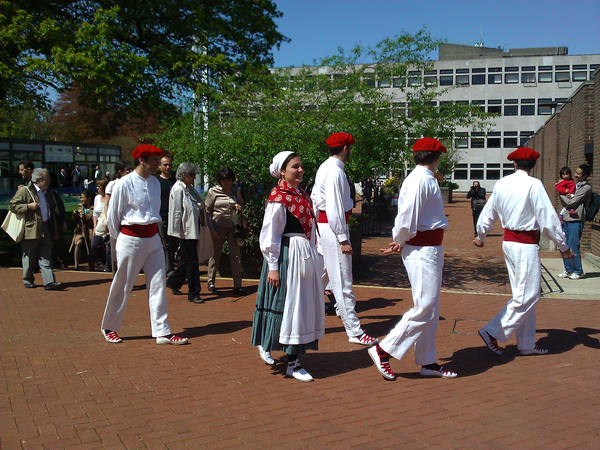 Preview |
Video, interview and image of traditional Basque dancers
Shared with the World by Ms Kate Borthwick
This resource comprises a short video, two recorded interviews and an image of traditional Basque dancers at an event which took place on 12th May, 2012, at the University of Southampton. This event commemorated the arrival in Southampton, 75 years ago, of child refugees from Spain, who were fleeing the civil war. This group of Basque dancers took part in the event, which was attended by dignitaries from Spain and the Basque regional government. Interviews were conducted in Spanish. All use and versions of this material should be attributed. Please cite this work as: OpenLIVES project (2012). An open collection of research data and teaching materials relating to Spanish migrant stories. JISC
Shared with the World by Ms Kate Borthwick
Views in Greece from drawings by Edward Dodwell.
Shared with the World by Dr Matt Phillpott
A collection of drawings of views in Greece by the English traveller and archaeologist Edward Dodwell (1776/7-1832).
Shared with the World by Dr Matt Phillpott
![[img]](http://www.humbox.ac.uk//1117/1/PHI_00110-16-Athens%2CFron_the_Foot_of_Mount_Anchesmus.jpg)
 Preview |
Views in Greece: Image of Athens, from the foot of Mount Anchesmus
Shared with the World by Dr Matt Phillpott
Image of Athens, from the foot of Mount Anchesmus drawn by Edward Dodwell. The original copy of this image can be found at the Roderic Bowen Library and Archives, University of Wales Lampeter.
Shared with the World by Dr Matt Phillpott
![[img]](http://www.humbox.ac.uk//1114/1/PHI_00110-13-Bazar_of_Athens.jpg)
 Preview |
Views in Greece: Image of Bazar of Athens
Shared with the World by Dr Matt Phillpott
Image of Bazar of Athens drawn by Edward Dodwell.
Shared with the World by Dr Matt Phillpott
![[img]](http://www.humbox.ac.uk//1113/1/PHI_00110-12-Dance_of_the_Derwisches.jpg)
 Preview |
Views in Greece: Image of Dance of the Derwisches
Shared with the World by Dr Matt Phillpott
Image of Dance of the Derwisches drawn by Edward Dodwell. The original copy of this image can be found at the Roderic Bowen Library and Archives, University of Wales Lampeter.
Shared with the World by Dr Matt Phillpott
![[img]](http://www.humbox.ac.uk//1102/1/PHI_00110-03-Dinner_at_Crisso.jpg)
 Preview |
Views in Greece: Image of Dinner at Crisso
Shared with the World by Dr Matt Phillpott
Image of Dinner at Crisso drawn by Edward Dodwell. The original copy of this image can be found at the Roderic Bowen Library and Archives, University of Wales Lampeter.
Shared with the World by Dr Matt Phillpott
![[img]](http://www.humbox.ac.uk//1115/1/PHI_00110-14-Entrance_to_Athens.jpg)
 Preview |
Views in Greece: Image of Entrance to Athens
Shared with the World by Dr Matt Phillpott
Image of Entrance to Athens drawn by Edward Dodwell. The original copy of this image can be found at the Roderic Bowen Library and Archives, University of Wales Lampeter.
Shared with the World by Dr Matt Phillpott
![[img]](http://www.humbox.ac.uk//1100/1/PHI_00110-01-Festival_at_Athens.jpg)
 Preview |
Views in Greece: Image of Festival at Athens
Shared with the World by Dr Matt Phillpott
Image of a festival at Athens from a drawing by Edward Dodwell. The original copy of this image can be found at the Roderic Bowen Library and Archives, University of Wales Lampeter.
Shared with the World by Dr Matt Phillpott
![[img]](http://www.humbox.ac.uk//1184/1/PHI_00110-27-Gate_of_the_Lions_at_Mycenae.jpg)
 Preview |
Views in Greece: Image of Gate of the Lions at Mycenae
Shared with the World by Dr Matt Phillpott
Image of Gate of the Lions at Mycenae drawn by Edward Dodwell. The original copy of this image can be found at the Roderic Bowen Library and Archives, University of Wales Lampeter.
Shared with the World by Dr Matt Phillpott
![[img]](http://www.humbox.ac.uk//1106/1/PHI_00110-07-Katabathron_of_Lake_Kopais.jpg)
 Preview |
Views in Greece: Image of Katabathron of Lake Kopais
Shared with the World by Dr Matt Phillpott
Image of Katabathron of Lake Kopais drawn by Edward Dodwell. The original copy of this image can be found at the Roderic Bowen Library and Archives, University of Wales Lampeter.
Shared with the World by Dr Matt Phillpott
![[img]](http://www.humbox.ac.uk//1188/1/PHI_00110-31-Monastery_of_Megaspelia.jpg)
 Preview |
Views in Greece: Image of Monastery of Megaspelia
Shared with the World by Dr Matt Phillpott
Image of Monastery of Megaspelia drawn by Edward Dodwell. The original copy of this image can be found at the Roderic Bowen Library and Archives, University of Wales Lampeter.
Shared with the World by Dr Matt Phillpott
![[img]](http://www.humbox.ac.uk//1182/1/PHI_00110-25-Mount_Olympos_as_Seen_Between_Larrisa_and_Baba.jpg)
 Preview |
Views in Greece: Image of Mount Olympos as seen between Larrisa and Baba
Shared with the World by Dr Matt Phillpott
Image of Mount Olympos as seen between Larrisa and Baba drawn by Edward Dodwell. The original copy of this image can be found at the Roderic Bowen Library and Archives, University of Wales Lampeter.
Shared with the World by Dr Matt Phillpott
![[img]](http://www.humbox.ac.uk//1104/1/PHI_00110-05-Parnassus.jpg)
 Preview |
Views in Greece: Image of Parnassus
Shared with the World by Dr Matt Phillpott
Image of Parnassus drawn by Edward Dodwell. The original copy of this image can be found at the Roderic Bowen Library and Archives, University of Wales Lampeter.
Shared with the World by Dr Matt Phillpott
![[img]](http://www.humbox.ac.uk//1185/1/PHI_00110-28-Plain_of_Olympia.jpg)
 Preview |
Views in Greece: Image of Plain of Olympia
Shared with the World by Dr Matt Phillpott
Image of Plain of Olympia drawn by Edward Dodwell. The original copy of this image can be found at the Roderic Bowen Library and Archives, University of Wales Lampeter.
Shared with the World by Dr Matt Phillpott
![[img]](http://www.humbox.ac.uk//1101/1/PHI_00110-02-Port_Bathy_and_Capital_of_Ithaca.jpg)
 Preview |
Views in Greece: Image of Port Bathy and Capital of Ithaca
Shared with the World by Dr Matt Phillpott
Image of Port Bathy and Capital of Ithaca drawn by Edward Dodwell. The original copy of this image can be found at the Roderic Bowen Library and Archives, University of Wales Lampeter.
Shared with the World by Dr Matt Phillpott
![[img]](http://www.humbox.ac.uk//1105/1/PHI_00110-06-Ruins_of_Orchomenos.jpg)
 Preview |
Views in Greece: Image of Ruins of Orchomenos
Shared with the World by Dr Matt Phillpott
Image of Ruins of Orchomenos drawn by Edward Dodwell. The original copy of this image can be found at the Roderic Bowen Library and Archives, University of Wales Lampeter.
Shared with the World by Dr Matt Phillpott
![[img]](http://www.humbox.ac.uk//1183/1/PHI_00110-26-Sepulcre_of_Hassan_Baba.jpg)
 Preview |
Views in Greece: Image of Sepulchre of Hassan Baba
Shared with the World by Dr Matt Phillpott
Image of the Sepulchre of Hassan Baba drawn by Edward Dodwell. The original copy of this image can be found at the Roderic Bowen Library and Archives, University of Wales Lampeter.
Shared with the World by Dr Matt Phillpott
![[img]](http://www.humbox.ac.uk//1110/1/PHI_00110-10-South_View_of_the_Erechtheion.jpg)
 Preview |
Views in Greece: Image of South view of the Erechtheion
Shared with the World by Dr Matt Phillpott
Image of south view of the Erechtheion drawn by Edward Dodwell. The original copy of this image can be found at the Roderic Bowen Library and Archives, University of Wales Lampeter.
Shared with the World by Dr Matt Phillpott
![[img]](http://www.humbox.ac.uk//1116/1/PHI_00110-15-Temple_of_Jupiter_Olympios_and_River_Ilissos.jpg)
 Preview |
Views in Greece: Image of Temple of Jupiter Olympios and River llissos
Shared with the World by Dr Matt Phillpott
Image of Temple of Jupiter Olympios and River llissos drawn by Edward Dodwell. The original copy of this image can be found at the Roderic Bowen Library and Archives, University of Wales Lampeter.
Shared with the World by Dr Matt Phillpott
![[img]](http://www.humbox.ac.uk//1103/1/PHI_00110-04-The_Kastalian_Spring.jpg)
 Preview |
Views in Greece: Image of The Kastalian Spring
Shared with the World by Dr Matt Phillpott
Image of the Kastalian Spring drawn by Edward Dodwell. The original copy of this image can be found at the Roderic Bowen Library and Archives, University of Wales Lampeter.
Shared with the World by Dr Matt Phillpott
![[img]](http://www.humbox.ac.uk//1109/1/PHI_00110-09-West_Front_of_the_Parthenon.jpg)
 Preview |
Views in Greece: Image of West Front of the Parthenon
Shared with the World by Dr Matt Phillpott
Image of West Front of the Parthenon drawn by Edward Dodwell. The original copy of this image can be found at the Roderic Bowen Library and Archives, University of Wales Lampeter.
Shared with the World by Dr Matt Phillpott
![[img]](http://www.humbox.ac.uk//1112/1/PHI_00110-11-Entrance_to_the_Tower_of_the_Winds.jpg)
 Preview |
Views in Greece: Image of entrance to the Tower of the Winds
Shared with the World by Dr Matt Phillpott
Image of entrance to the Tower of the Winds drawn by Edward Dodwell. The original copy of this image can be found at the Roderic Bowen Library and Archives, University of Wales Lampeter.
Shared with the World by Dr Matt Phillpott
![[img]](http://www.humbox.ac.uk//1108/1/PHI_00110-08-View_of_the_Parthenon_from_Propylea.jpg)
 Preview |
Views in Greece: Image of view of the Parthenon from Propylea
Shared with the World by Dr Matt Phillpott
Image of view of the Parthenon from Propylea drawn by Edward Dodwell. The original copy of this image can be found at the Roderic Bowen Library and Archives, University of Wales Lampeter.
Shared with the World by Dr Matt Phillpott
![[img]](http://www.humbox.ac.uk//1187/1/PHI_00110-30-Lake_of_Stymphalos.jpg)
 Preview |
Views of Greece: Image of Lake of Stymphalos
Shared with the World by Dr Matt Phillpott
Image of Lake of Stymphalos drawn by Edward Dodwell. The original copy of this image can be found at the Roderic Bowen Library and Archives, University of Wales Lampeter.
Shared with the World by Dr Matt Phillpott
![[img]](http://www.humbox.ac.uk//1125/1/PHI_00110-24-Larissa.jpg)
 Preview |
Views of Greece: Image of Larissa
Shared with the World by Dr Matt Phillpott
Image of Larissa drawn by Edward Dodwell. The original copy of this image can be found at the Roderic Bowen Library and Archives, University of Wales Lampeter.
Shared with the World by Dr Matt Phillpott
![[img]](http://www.humbox.ac.uk//1121/1/PHI_00110-20-Monastery_of_Phaineromene.jpg)
 Preview |
Views of Greece: Image of Monastery of Phaineromene
Shared with the World by Dr Matt Phillpott
Image of the Monastery of Phaineromene drawn by Edward Dodwell. The original copy of this image can be found at the Roderic Bowen Library and Archives, University of Wales Lampeter.
Shared with the World by Dr Matt Phillpott
![[img]](http://www.humbox.ac.uk//1122/1/PHI_00110-21-Pass_of_Thermopylae.jpg)
 Preview |
Views of Greece: Image of Pass of Thermopylae
Shared with the World by Dr Matt Phillpott
Image of the pass of Thermopylae drawn by Edward Dodwell. The original copy of this image can be found at the Roderic Bowen Library and Archives, University of Wales Lampeter.
Shared with the World by Dr Matt Phillpott
![[img]](http://www.humbox.ac.uk//1118/1/PHI_00110-17-South_East_View_of_the_Temple_at_Sunium.jpg)
 Preview |
Views of Greece: Image of South East view of the Temple of Sunium
Shared with the World by Dr Matt Phillpott
Image of South East view of the Temple of Sunium drawn by Edward Dodwell. The original copy of this image can be found at the Roderic Bowen Library and Archives, University of Wales Lampeter.
Shared with the World by Dr Matt Phillpott
![[img]](http://www.humbox.ac.uk//1186/1/PHI_00110-29-Temple_of_Apollo_Epicurius.jpg)
 Preview |
Views of Greece: Image of Temple of Apollo Epicurius
Shared with the World by Dr Matt Phillpott
Image of Temple of Apollo Epicurius drawn by Edward Dodwell. The original copy of this image can be found at the Roderic Bowen Library and Archives, University of Wales Lampeter.
Shared with the World by Dr Matt Phillpott
![[img]](http://www.humbox.ac.uk//1119/1/PHI_00110-18-Temple_of_Jupiter_Panhellenios.jpg)
 Preview |
Views of Greece: Image of Temple of Jupiter Panhellenios
Shared with the World by Dr Matt Phillpott
Image of the Temple of Jupiter Panhellenios drawn by Edward Dodwell. The original copy of this image can be found at the Roderic Bowen Library and Archives, University of Wales Lampeter.
Shared with the World by Dr Matt Phillpott
![[img]](http://www.humbox.ac.uk//1120/1/PHI_00110-19-Interior_of_the_Temple_of_Jupiter_Panhellenios.jpg)
 Preview |
Views of Greece: Image of interior of the Temple of Jupiter Panhellenios
Shared with the World by Dr Matt Phillpott
Image of the interior of the Temple of Jupiter Panhellenios drawn by Edward Dodwell. The original copy of this image can be found at the Roderic Bowen Library and Archives, University of Wales Lampeter.
Shared with the World by Dr Matt Phillpott
![[img]](http://www.humbox.ac.uk//1124/1/PHI_00110-23-The_Hyperian_Fountain_at_Pherae.jpg)
 Preview |
Views of Greece: Image of the Hyperian Fountain at Pherae
Shared with the World by Dr Matt Phillpott
Image of the Hyperian Fountain at Pherae drawn by Edward Dodwell. The original copy of this image can be found at the Roderic Bowen Library and Archives, University of Wales Lampeter.
Shared with the World by Dr Matt Phillpott
![[img]](http://www.humbox.ac.uk//1123/1/PHI_00110-22-Village_of_Portaria.jpg)
 Preview |
Views of Greece: Image of the village of Portaria
Shared with the World by Dr Matt Phillpott
Image of the village of Portaria drawn by Edward Dodwell. The original copy of this image can be found at the Roderic Bowen Library and Archives, University of Wales Lampeter.
Shared with the World by Dr Matt Phillpott
Preview |
Václav Havel
Shared with the World by Ms Claire Monaghan
Word document - Information on the life and work of Václav Havel. Used as reference material in teaching
Shared with the World by Ms Claire Monaghan
Preview |
Warwick historiography debate 09
Shared with the World by Mr Robert O'Toole
Leading academics from the University of Warwick History Department discuss history methods and themes in this annual debate. Starring Dr. Beat Kümin, Dr. Penny Roberts, Professor Bernard Capp, Dr. Jonathan Davies and Dr. Humfrey Butters.
Shared with the World by Mr Robert O'Toole
Preview |
ebook on John Calvin (published 1983)
Shared with the World by Dr Matt Phillpott
A complete pdf copy of G.R. Potter and M. Greengrass, John Calvin (London, 1983).
Shared with the World by Dr Matt Phillpott
Preview |
‘Empty Spaces and the Value of Symbols: Estonia’s ‘War on Monuments’ from Another Angle’
Shared with the World by Ms Claire Monaghan
Powerpoint presentation - Identity, memory and landscape: a case study of Estonia. This was originally devised as a conference presentation, but has since been used for teaching purposes, on a summer school in Estonia in July 2009 and on an MSc course in Glasgow. The Powerpoint supported a workshop format, where students were invited to reflect on the various images in groups.
Shared with the World by Ms Claire Monaghan


