Browse by Tags: culture
 | Up a level |
Number of items: 42.
Preview |
1968 Prague Spring: Origins
Shared with the World by Ms Claire Monaghan
Powerpoint presentation on the influence of literature and the arts on politics. Used as a teaching aid
Shared with the World by Ms Claire Monaghan
Preview |
Alaine Polcz, A wartime memoir
Shared with the World by Ms Claire Monaghan
Powerpoint presentation of the novel A wartime memoir by Alaine Polcz, a Hungarian World War 2 survivor and memoirist.
Used as lecture and seminar notes for women’s writing courses at Glasgow University.
Shared with the World by Ms Claire Monaghan
![[img]](http://www.humbox.ac.uk//style/images/fileicons/archive.png)
![[img]](http://www.humbox.ac.uk//245/2/Cornish_village_England.JPG)
 Preview |
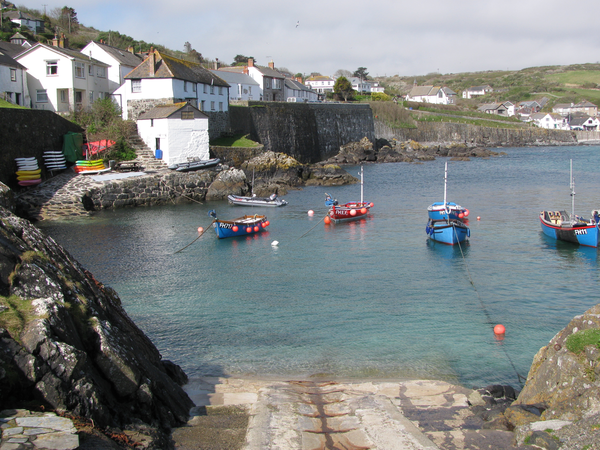
Buildings in various cultures
Shared with the World by Dr Will Baker
This folder consists of images of various buildings around the world. It can be used to compare different cultures, differences within cultures and to consider cultural differences and similarities in relation to globalisation. The titles of the photographs should explain the object or activity and the location.
Shared with the World by Dr Will Baker
![[img]](http://www.humbox.ac.uk//244/2/Glastonbury_festival_England_www.geograph.org.uk.jpg)
 Preview |
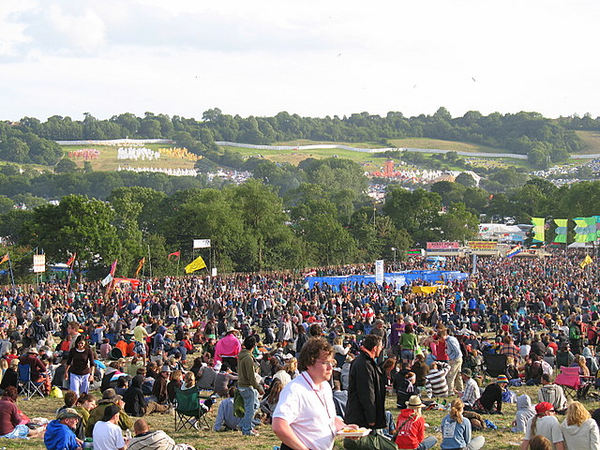
Celebrations in various cultures
Shared with the World by Dr Will Baker
This folder consists of images of various celebrations around the world. It can be used to compare different cultures and to consider cultural differences and similarities in relation to globalisation. The titles of the photographs should explain the object or activity and the location.
Shared with the World by Dr Will Baker
Preview |
Creating a nation: monuments and textual documents in Hungary: 1800-1900
Shared with the World by Ms Claire Monaghan
Powerpoint version of a lecture given at Peter Pazmany RC University, Budapest. Hungarian literature, literature and culture, creating national cultural institutions. Used as powerpoint aide to summer school lecture.
Shared with the World by Ms Claire Monaghan
Preview |
Preview |
Cultural Stereotypes, Generalisations, and Individuals
Shared with the World by Dr Will Baker
These activities explore the relationship between cultural characterisations and individuals. In particular they examine notions of stereotypes and generalisations in relation to culture. The activities also focus on the tensions between notions of cultural, group and individual identity. The materials consist of a PowerPoint, accompanying worksheet and teacher’s notes.
Shared with the World by Dr Will Baker
Culture and discourse activity
Shared with the World by Dr Will Baker
This resource contains an interactive activity in html to support the defining culture materials. You will need to download and extract the zipped folder to run the activity.
Shared with the World by Dr Will Baker
Daily Life in Early Modern Society: the European World 1500-1750
Shared with the World by Mrs Lisa Lavender
This pdf is derived from a seminar resource webpage from a core history undergraduate module looking at daily life in early modern society as part of the European World, 1500-1750. It includes hyperlinks to core resources, in the form of texts and images in a clear, reusable format.
Shared with the World by Mrs Lisa Lavender
Preview |
Preview |
Defining culture
Shared with the World by Dr Will Baker
This folder consists of a Power Point and accompanying worksheet plus teacher's notes on the subject of defining culture. It introduces a variety of definitions of culture and explores the relationship between culture and language. The worksheets are designed to help learners explore the concepts introduced in the Power Point slides. These resources were designed for students of applied linguistics, language teaching, intercultural communication and English language learners (although some adaptation would be needed for lower level groups).
Shared with the World by Dr Will Baker
Defining culture activity
Shared with the World by Dr Will Baker
This resource contains an interactive activity in html to support the defining culture materials. You will need to download and extract the zipped folder to run the activity.
Shared with the World by Dr Will Baker
Elite and Popular Cultures in the European World: 1500-1750
Shared with the World by Mrs Lisa Lavender
This pdf is derived from a seminar resource webpage from a core history undergraduate module looking at the European World, 1500-1750. It includes hyperlinks to core resources, in the form of texts, audio and images in a clear, reusable format.
Shared with the World by Mrs Lisa Lavender

Ethnic distribution in the North Western part of the Russian Empire
Shared with the World by Ms Claire Monaghan
Ethnic maps depicting Lithuanian distribution in Russian Empire (mid 19th century – 1914. Conference presentations, PhD dissertation
Shared with the World by Ms Claire Monaghan
Preview |
![[img]](http://www.humbox.ac.uk//style/images/fileicons/text.png)
Exploring the lives of Hispanic migrants living in the UK: social, linguistic, and cultural integration
Shared with the World by Miss Daisy Willock
This documentary focuses on the topic of integration and intercultural relationships by exploring the life stories of adult migrants from Spain and Latin America who currently live in the UK. Their first-hand accounts deliver information on how they define and perceive their levels of integration and how language and cultural awareness has affected this process.
Shared with the World by Miss Daisy Willock
Preview |
Famous People Born in Latvia
Shared with the World by Ms Claire Monaghan
Powerpoint presentation - A brief introduction to famous people born in Latvia.
This presentation can be used for culture and language classes. It was originally used to make role cards to practise introducing oneself.
Shared with the World by Ms Claire Monaghan
![[img]](http://www.humbox.ac.uk//246/2/Eating_in_the_street_Thailand.JPG)
 Preview |
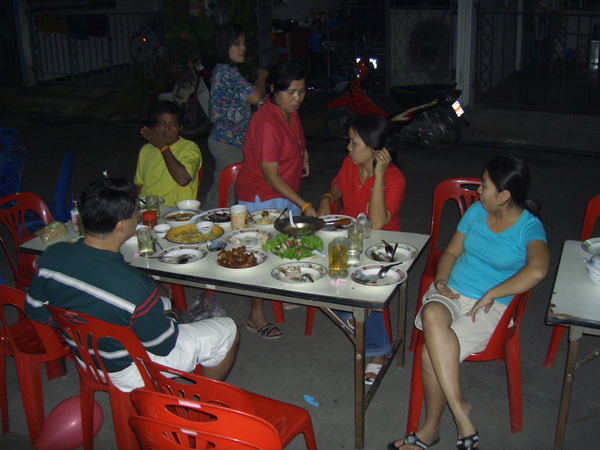
Food and eating in various cultures
Shared with the World by Dr Will Baker
This folder consists of images of food and eating practices in a variety of cultures. It can be used to compare different cultures, differences within cultures and to consider cultural differences and similarities in relation to globalisation. The titles of the photographs should explain the object or activity and the location.
Shared with the World by Dr Will Baker
Hungarian Literature and Culture
Shared with the World by Ms Claire Monaghan
Powerpoint and word documents - Covering Hungarian literature and culture. Used as teaching aids
Shared with the World by Ms Claire Monaghan
Illustrated audio recordings in Romanian
Shared with the World by Dr Margaret Anne Clarke
A collection of illustrated audio recordings in the Romanian language by students at the School of Languages and Area Studies, the University of Portsmouth. The recordings narrate the situation of contemporary Romania, and describe the city of Timişoara in Western Romania, the nation's second-largest city.
Shared with the World by Dr Margaret Anne Clarke
.
Impact of Globalisation on Culture
Shared with the World by Mr Elwyn Edwards
Introductory discussion activity to raise students awareness of the relationship between culture and globalisation
Shared with the World by Mr Elwyn Edwards
Preview |
Langsnap 3: Working Abroad (Preparation for ML students)
Shared with the World by Dr L. Patricia Romero de Mills
The key objective of the Langsnap Guides is to provide resources and materials for programme administrators and for study abroad participants. Guide 3 focuses on preparing students for a period of residence abroad spent working in an unfamiliar environment. It covers the following aspects:
a) Reflecting on the potential of this option, and managing expectations.
b) Unexpected outcomes, including negotiating extra working hours, and
the sudden termination of a contract.
c) The value of the year abroad for future employment.
d) Dealing with emotions related to this aspect of their experience.
A suggested lesson plan for this guide is provided in the "notes" section of the Power Point.
Note: You are welcomed to download and edit the materials in any way you need. But we would be very grateful if you could please acknowledge the authorship of Langsnap team in the presentation, and in your modified version. If you time, we would love to hear your comments and feedback. Feel free to leave us a message or contact me (Patricia) at: P.Romero@soton.ac.uk.
Thank you.
Shared with the World by Dr L. Patricia Romero de Mills
Preview |
Langsnap Guide 1:Being an International Student
Shared with the World by Dr L. Patricia Romero de Mills
The key objective of the Langsnap Guides is to provide resources and materials for programme administrators and for study abroad participants. This first guide is focused on preparing students for a period of study abroad. It covers the following aspects:
a) Adapting to unpredictable administrative and organizational differences
b) Assessment and expectations of what an undergraduate student “should know”
c) Studying complex topics in a foreign language
d) Dealing with emotions related to this aspect of their experience.
A suggested lesson plan for this guide is provided in the "notes" section of the Power Point.
Note: You are welcomed to download and edit the materials in any way you need. But we would be very grateful if you could please acknowledge the authorship of Langsnap team in the presentation, and in your modified version. If you time, we would love to hear your comments and feedback. Feel free to leave us a message or contact me (Patricia) at: P.Romero@soton.ac.uk.
Thank you.
Shared with the World by Dr L. Patricia Romero de Mills
Languages and Culture
Shared with the World by Alison Dickens
This collection showcases some of the resources in HumBox relating to the study of languages and culture
Shared with the World by Alison Dickens
Preview |
Latvian Language and Culture through the Ages
Shared with the World by Ms Claire Monaghan
Powerpoint presentation: A description of the development of the Latvian language, as well as folk songs, folk tales, proverbs and beliefs.
This was originally a lecture as part of a series of events relating to Central and Eastern Europe.
Shared with the World by Ms Claire Monaghan
Latvian Language, History and Culture
Shared with the World by Ms Claire Monaghan
A selection of documents used in language and culture lectures covering Latvia's History, Literature, Language, communities, folk art and music
Shared with the World by Ms Claire Monaghan
Preview |
Latvian Language, History, Society and Culture
Shared with the World by Ms Claire Monaghan
A list of internet resources for Honours students studying Latvian Language, History, Society and Culture at beginners’ and intermediate level, as well as for students at all levels who are taking Latvian as their compulsory language as part of the language-based postgraduate degree in Russian, Central and East European Studies.
Shared with the World by Ms Claire Monaghan
Preview |
Latvian Music
Shared with the World by Ms Claire Monaghan
Powerpoint presentation
An introduction to traditional Latvian music; classical composers, artists and conductors; ballet; modern music
This is an introduction to Latvian music for Honours students studying Latvian Language, History, Society and Culture
Shared with the World by Ms Claire Monaghan
Preview |
Latvian mythology and its interpretation in folk art and song
Shared with the World by Ms Claire Monaghan
A powerpoint presentation - A description of Latvian pagan deities, their symbols in folk art and folk songs, with English translations, in which these deities are mentioned.
This presentation is the basis of a tutorial on Latvian mythology. We discuss the deities, look at examples of folk art and translate the folk songs into English.
Shared with the World by Ms Claire Monaghan
Preview |
New Women in Hungarian literature: Margit Kaffka (1880-1918)
Shared with the World by Ms Claire Monaghan
Powerpoint verslecture given at Glasgow University on a Hungarian woman writer (life and work)
Hungarian literature, women’s writing, literature and culture. Used as powerpoint aide in undergraduate lecture in Comparative Literature
Shared with the World by Ms Claire Monaghan
Preview |
Preview |
O Candomblé é uma religião Afro-Brasileira
Shared with the World by Mr Emmanuel Godin
This podcast in Portuguese was created by Emilia Kroprowska ,a student of Spanish and Latin American Studies at the School of Languages and Area Studies, University of Portsmouth, as a part of a research project entitled ‘The Role of Student Audio Casting and Production in the Language Learning Curriculum’. The podcast was created using Audacity recording software and enhanced with free images using Windows Movie Maker. The recording is based on the student’s own original research carried out in the year 2007 - 2008. The theme is the Afro-Brazilian religion Candomblé. The recording describes the religion’s origins in Africa, the means by which it was brought to Brazil, and subsequently adapted over the centuries. The recording also explains the theology, beliefs and rituals which are most characteristic of Candomblé. The podcast can be used as a learning resource in several different ways: as a focus for discussion, aural comprehension or as a base for further research by students in the field of Lusophone, Brazilian and Latin American studies. A transcription of the podcast including original photos is also provided.
Shared with the World by Mr Emmanuel Godin
Preview |
Preview |
O Papel do Sacrifício no Candomblé
Shared with the World by Mr Emmanuel Godin
This podcast in Portuguese was created by Emilia Kroprowska ,a student of Spanish and Latin American Studies at the School of Languages and Area Studies, University of Portsmouth, as a part of a research project entitled ‘The Role of Student Audio Casting and Production in the Language Learning Curriculum’. The podcast was created using Audacity recording software and enhanced with free images using Windows Movie Maker. The recording is based on the student’s own original research carried out in the year 2007 - 2008. The theme is the Afro-Brazilian religion Candomblé. Ritual sacrifice of animals is a feature of this religion, a practice which is frequently misunderstood by people not familiar with the religion. The recording, based on an interview with a Brazilian practitioner of Candomblé, explains the true significance of this ritual and its meaning within the context of the religion as a whole. The podcast can be used as a learning resource in several different ways: as a focus for discussion, aural comprehension or as a base for further research by students in the field of Lusophone, Brazilian and Latin American studies. A transcript of the podcast is also provided.
Shared with the World by Mr Emmanuel Godin
Preview |
Preview |
O que é Umbanda?/ What is Umbanda?
Shared with the World by Mr Emmanuel Godin
This podcast in Portuguese was created by Emilia Kroprowska , a student of Spanish and Latin American Studies at the School of Languages and Area Studies, University of Portsmouth, as a part of a research project entitled ‘The Role of Student Audio Casting and Production in the Language Learning Curriculum’. The podcast was created using Audacity recording software and enhanced with free images using Windows Movie Maker. The recording is based on the student’s own original research carried out in the year 2007 - 2008. This podcast explains the role of Umbanda, a religion which was founded in brazil in 1908, and is a syncretic in nature, with influences from Christianity, Hinduism, Spiritism, and Africa-based religions. The recording explains the fundamental beliefs of Umbanda, its practices, and its role within Brazilian society. The podcast can be used as a learning resource in several different ways: as a focus for discussion, aural comprehension or as a base for further research by students in the field of Lusophone, Brazilian and Latin American studies. A transcription of the postcast, with additional photos, is also provided.
Shared with the World by Mr Emmanuel Godin
![[img]](http://www.humbox.ac.uk//247/2/aziziye_mosque_in_London_Hackney_Plus.jpg)
 Preview |
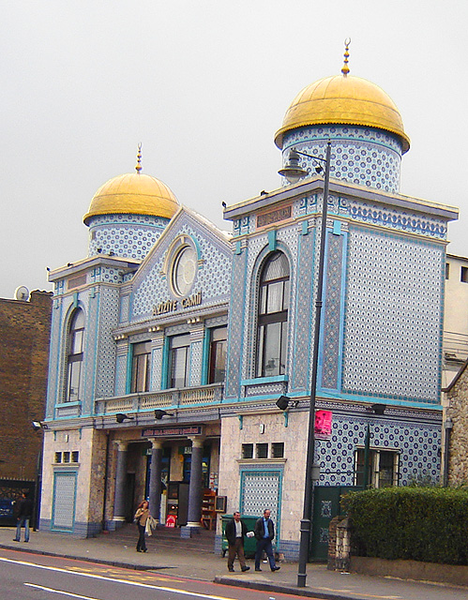
Religious images from various cultures
Shared with the World by Dr Will Baker
This folder consists of religious images in a variety of cultures. It can be used to compare different cultures, differences within cultures and to consider cultural differences and similarities in relation to globalisation. The titles of the photographs should explain the object or activity and the location.
Shared with the World by Dr Will Baker
Preview |
Romania's 'Little Vienna'
Shared with the World by Dr Margaret Anne Clarke
This illustrated podcast in Romanian was created by Valentina Moldovan, a Masters' student at the School of Languages and Area Studies, University of Portsmouth, as a part of a research project entitled ‘The Role of Student Audio Casting and Production in the Language Learning Curriculum’. The recording presents an account of Timişoara, Romania's second city, its landscapes, its historical and cultural importance.The podcast can be used as a learning resource in several different ways: as a focus for discussion or aural comprehension by students of the Romanian language.
Shared with the World by Dr Margaret Anne Clarke
Preview |
Romania's 'Little Vienna' (Text)
Shared with the World by Dr Margaret Anne Clarke
This text and translation into English accompanies the illustrated podcast in Romanian created by Valentina Moldovan, a Masters' student at the School of Languages and Area Studies, University of Portsmouth, as a part of a research project entitled ‘The Role of Student Audio Casting and Production in the Language Learning Curriculum’. The recording presents an account of Timişoara, Romania's second city, its landscapes, its historical and cultural importance.The podcast can be used as a learning resource in several different ways: as a focus for discussion or aural comprehension by students of the Romanian language.
Shared with the World by Dr Margaret Anne Clarke
Slovene Culture and Civilization
Shared with the World by Ms Claire Monaghan
Powerpoint presentations on various topics, covering different aspects of Slovene culture and civilization.
Language, Geography and Tourism, History and Legends, Traditional Slovenia, Slovenia Today, Culture, Literature, Famous Slovenes. Used as teaching aids for modules about Slovene culture and other language modules to explain certain aspects of Slovenia
Shared with the World by Ms Claire Monaghan
Preview |
Slovene History and Legends
Shared with the World by Ms Claire Monaghan
Powerpoint presentation used in modules covering Slovene Language and culture. Explores the history and legends of Slovenia
Shared with the World by Ms Claire Monaghan
Preview |
Slovene Traditions
Shared with the World by Ms Claire Monaghan
Powerpoint presentation used in Slovene language and culture lectures. Explores the history and cultural traditions of Slovenia
Shared with the World by Ms Claire Monaghan
Preview |
Slovenia Today
Shared with the World by Ms Claire Monaghan
Powerpoint presentation used in language and culture lectures. Exploring Slovenia today, communities, culture and habits
Shared with the World by Ms Claire Monaghan
Preview |
Slovenian Culture
Shared with the World by Ms Claire Monaghan
Powerpoint presentation used in Slovene culture and language lectures. Exploring all aspects of Slovenian culture
Shared with the World by Ms Claire Monaghan
Preview |
Preview |
Sustainability and the Humanities
Shared with the World by Dr Alex Ryan
This resource contains materials from a conference on 'Sustainability and the Humanities' held at Cardiff University on the 10th May 2010.
The event was organised and led by Professor Geoffrey Samuel, Cardiff University and Dr Alex Ryan, University of Gloucestershire and Honorary Research Associate at Cardiff University. It was jointly arranged through the Body, Health and Religion Research Group (BAHAR) and the Cardiff Humanities Research Institute.
Resources available here include the event programme and a PDF containing key slides from the welcome address by Dr Alex Ryan, outlining thematic connections between humanities disciplines and how they can engage with sustainability in academic practice, both in research and in reorienting teaching and learning.
Audiovisual files from the headline presentations by Professor Geoffrey Samuel, Dr Colin Brooks, Professor Barbara Adam and Professor Justin Lewis can also be accessed at: http://www.bodyhealthreligion.org.uk/BAHAR/sustainability.html
Shared with the World by Dr Alex Ryan
![[img]](http://www.humbox.ac.uk//style/images/fileicons/audio.png)
Sustainable development in the humanities.
Shared with the World by Dr John Canning
This is a (non-live) mp3 recording of a lecture I gave in 2012 on sustainability in the humanities. A word document with a trasnscipt is also here.
Shared with the World by Dr John Canning
Preview |
Preview |
The cultural iceberg
Shared with the World by Dr Will Baker
This resource consists of a Power Point and accompanying worksheet and teacher's notes, which explore the conscious and subconscious influence of culture on our behaviour, beliefs and attitudes through the metaphor of the cultural iceberg. These resources would be suitable for students of applied linguistics, language teaching, intercultural communication and English language learners (although some adaptation would be needed for lower level English language groups).
Shared with the World by Dr Will Baker
Preview |
Using cultural images
Shared with the World by Dr Will Baker
This folder consists of religious images in a variety of cultures. These images can be used to compare different cultures, differences within cultures and to consider cultural differences and similarities in relation to globalisation. The titles of the photographs should explain the object or activity and the location. An accompanying worksheet with activity ideas is given here.
Shared with the World by Dr Will Baker


